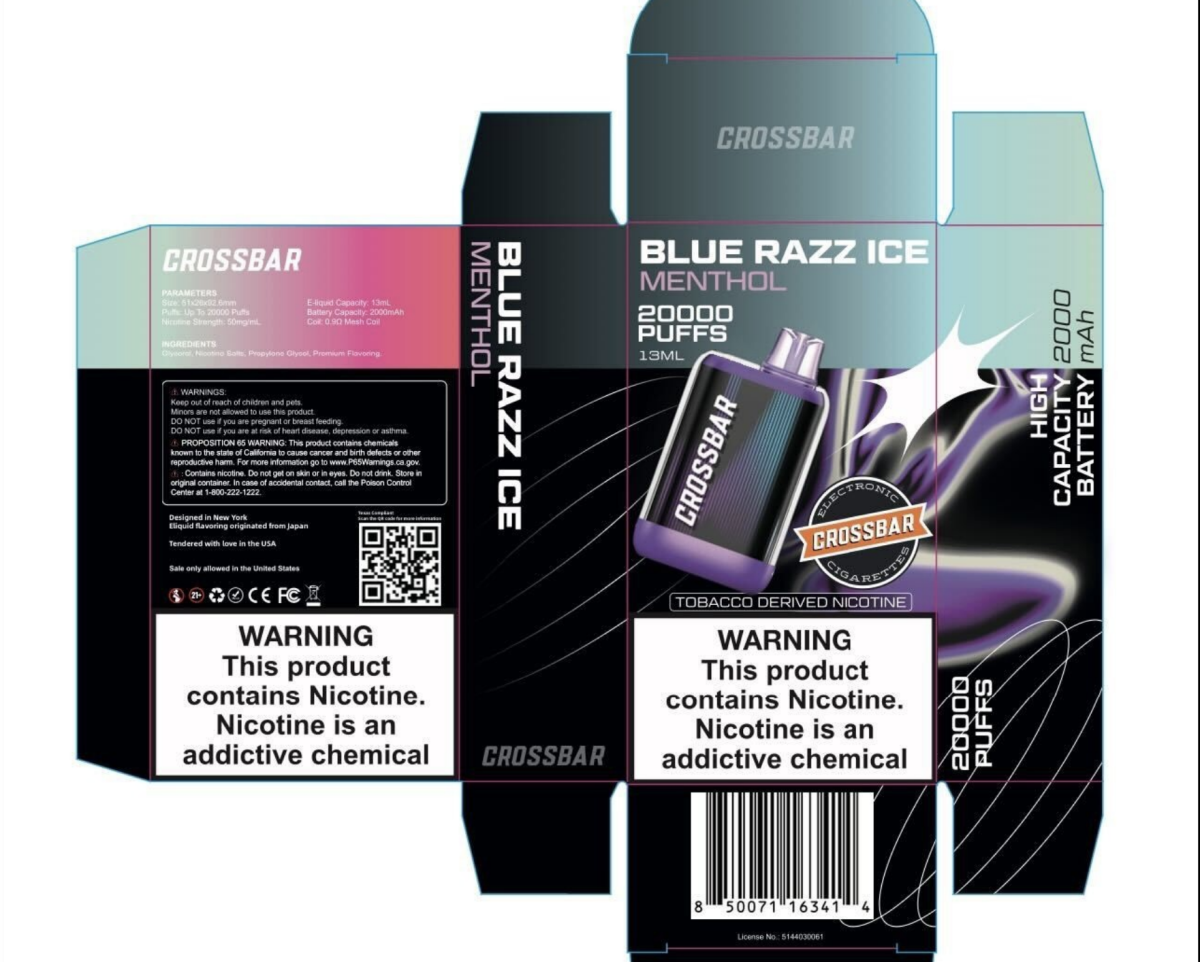
A police officer in Ohio fatally shot a 20-year-old black male who was holding an electronic cigarette and raised his hands. The police thought it was a gun.
At a press conference held several hours later, Police Chief Elaine Bryant played body camera footage. The video showed police arriving at an apartment on Sullivan Avenue around 2:30 am to serve an arrest warrant for Lewis, who was wanted for assault. Police waited outside the front door for about 10 minutes before two men emerged and were detained, but there was no sign of Lewis initially. Police then sent in a barking K-9 dog and followed it into the home. Moments later, K-9 Officer Ricky Anderson opened the bedroom door and found Lewis in bed, where he was immediately shot and killed.
According to Bryant, a frame-by-frame review of the video shows that Lewis appeared to have "something" in his hand as he raised his hands when police opened the door and pointed their guns at him.
Kobe stated that no firearms were found on the scene, but an electronic vaping device was discovered on the bed.
According to the Columbus Dispatch, after being shot, the dying Lewis was ordered to "get up" from his bed, then handcuffed and removed from the apartment. After receiving CPR on scene, Lewis was taken to OhioHealth Grant Medical Center where he died within an hour. The chief did not comment on whether authorities believed Lewis had a weapon in his possession, a question that is expected to be resolved by the investigation launched by the Ohio Bureau of Criminal Investigation.
Kobe expressed sympathy and sadness for Donovan Lewis' mother upon his passing. He also expressed sorrow for the community, but stated that they will allow the investigation to proceed. As the newly hired official, he emphasized the city's commitment to holding any officials responsible for any wrongdoing, but stressed that a national investigation must be conducted first.
Disclaimer: 1. The content of this article is compiled from third-party information, and is intended solely for industry exchange and learning purposes. 2. This article does not represent the views of 2FIRSTS and 2FIRSTS cannot confirm the accuracy and authenticity of the content. The compilation of this article is for industry exchange and research only. 3. Due to limitations in the level of compilation, the content may differ from the original. Please refer to the original article for accuracy. 4. 2FIRSTS fully aligns with the Chinese government regarding any statements and positions related to domestic, Hong Kong, Macao, Taiwan, and foreign matters. 5. The copyright of the compiled information belongs to the original media and authors. If there is any infringement, please contact us for deletion.
Disclaimer
This article is provided solely for professional research, industry discussion, and informational purposes. Any references to brands, companies, products, technologies, or policies are made for factual reporting and analytical purposes only, and do not constitute endorsement, recommendation, promotion, or advertising by 2Firsts.
Nicotine-containing products, including but not limited to cigarettes, e-cigarettes, heated tobacco products, and nicotine pouches, carry significant health risks. Readers are responsible for complying with all applicable laws and regulations in their respective jurisdictions, including age restrictions and access limitations.
The information contained in this article should not be regarded as investment, legal, medical, regulatory, or commercial advice. While 2Firsts strives to ensure the accuracy and reliability of its content, it does not assume liability for any direct or indirect loss arising from errors, omissions, inaccuracies, or reliance on the information contained herein.
This article is not intended for individuals below the legal age for accessing tobacco or nicotine-related information in their jurisdiction.
Copyright Notice
This article is either original content produced by 2Firsts or content reproduced, translated, summarized, or adapted from third-party sources with attribution where applicable. The intellectual property rights of the original content remain with 2Firsts or the respective original rights holders.
No individual or organization may copy, reproduce, distribute, republish, modify, translate, or otherwise use this content without prior authorization. Any unauthorized use may result in legal action.
For copyright-related inquiries, corrections, or removal requests, please contact: info@2firsts.com.
AI-Assisted Translation and Editing Notice
Portions of this article may have been translated, edited, or reviewed with the assistance of artificial intelligence tools to improve efficiency and readability. Due to the limitations of AI-assisted translation and editing, discrepancies, omissions, or inaccuracies may exist when compared with the original source.
Where applicable, readers are advised to refer to the original source for the most complete and accurate information. If you identify any errors or believe that any content infringes upon your rights, please contact us at info@2firsts.com, and we will review and address the matter promptly.