Ohio State Senate Overturns Veto on Local Tobacco Legislation

Regulations by 2FIRSTS.ai
Feb.01.2024
Ohio State Senate Overturns Veto on Local Tobacco Legislation
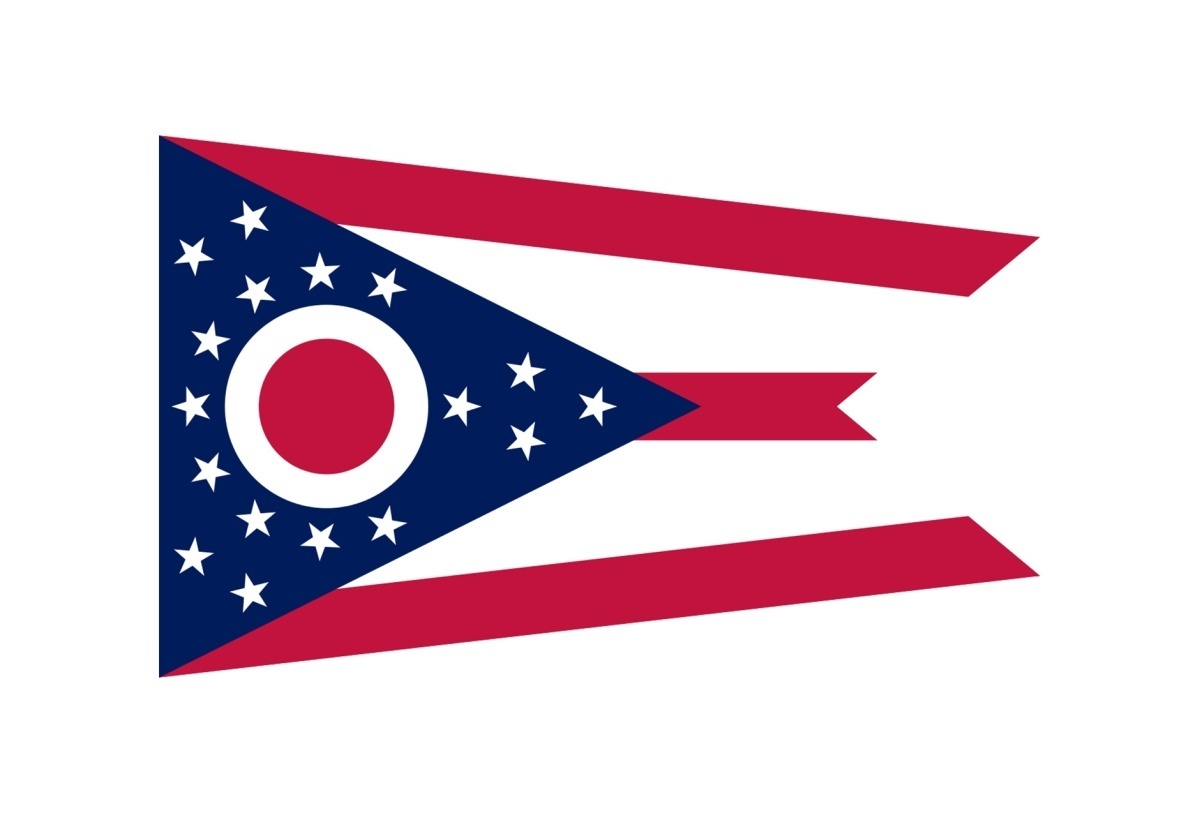
Ohio Senate overturns Governor Mike DeWine's veto, allowing local governments to enact stricter tobacco laws.

According to a report by American media outlet halfwheel on January 31, last week, the Ohio Senate overturned Governor Mike DeWine's veto, thereby allowing municipalities and counties to enact tobacco laws that are stricter than state laws.


According to reports, in December 2022, the Columbus City Council passed a ban on the sale of condiments in the capital city of Ohio. The ban, which lasted for 14 months, came to an end last week after the conclusion of the council's session.


With the implementation of the veto, the new state law will come into effect on April 24, rendering cities like Columbus unable to enforce their ban on flavored tobacco sales after that date.


The Columbus City Council is currently drafting a lawsuit targeting the state. City attorney Zach Klein stated that he hopes to challenge the law on the grounds of local autonomy.


We welcome news tips, article submissions, interview requests, or comments on this piece.

Please contact us at info@2firsts.com, or reach out to Alan Zhao, CEO of 2Firsts, on LinkedIn


Notice

1.  This article is intended solely for professional research purposes related to industry, technology, and policy. Any references to brands or products are made purely for objective description and do not constitute any form of endorsement, recommendation, or promotion by 2Firsts.

2.  The use of nicotine-containing products — including, but not limited to, cigarettes, e-cigarettes, nicotine pouchand heated tobacco products — carries significant health risks. Users are responsible for complying with all applicable laws and regulations in their respective jurisdictions.

3.  This article is not intended to serve as the basis for any investment decisions or financial advice. 2Firsts assumes no direct or indirect liability for any inaccuracies or errors in the content.

4.  Access to this article is strictly prohibited for individuals below the legal age in their jurisdiction.


Copyright


This article is either an original work created by 2Firsts or a reproduction from third-party sources with proper attribution. All copyrights and usage rights belong to 2Firsts or the original content provider. Unauthorized reproduction, distribution, or any other form of unauthorized use by any individual or organization is strictly prohibited. Violators will be held legally accountable.

For copyright-related inquiries, please contact: info@2firsts.com


AI Assistance Disclaimer


This article may have been enhanced using AI tools to improve translation and editorial efficiency. However, due to technical limitations, inaccuracies may occur. Readers are encouraged to refer to the cited sources for the most accurate information.

We welcome any corrections or feedback. Please contact us at: info@2firsts.com

2Firsts Outlines 2026 Global Product Trends in the New Tobacco Industry
As regulation tightens and innovation matures, competition in the new tobacco industry is shifting. In its 2026 Global Product Trends in the New Tobacco Industry report, 2Firsts examines how heated tobacco, nicotine pouches, and vape products are moving beyond feature-driven upgrades toward system-level design, where experience management, compliance structure, and engineering capability increasingly shape long-term competition.
Jan.13 by 2Firsts Perspectives
Arizona e-cigarette shops ordered to pay $460,000 for selling tobacco and nicotine products to minors
Arizona Attorney General Kris Mayes announced Pro Source Supply LLC, Pro Source Vapes LLC, Pro Source CBD LLC, and owner Timothy Kell must pay $460,000 in restitution tied to a lawsuit filed last year alleging illegal sales of tobacco and nicotine products to underage buyers.
Jan.07 by 2FIRSTS.ai
South Korea’s National Assembly Passes Law Classifying E-Cigarettes as Tobacco Products with Full Equivalent Regulation
South Korea’s National Assembly recently passed a comprehensive package of 79 bills that, among other measures, formally classifies liquid vapes — e-cigarette products using nicotine-containing e-liquids — as tobacco products. These products will now be subject to the same taxation, sales restrictions and advertising controls as traditional cigarettes, and the vaping industry in South Korea is expected to face significant adjustments in compliance costs, market access and business strategy.
Dec.03
Spain’s Competition Authority Questions Disposable Vape Ban
Spain’s National Commission on Markets and Competition (CNMC) has issued an opinion on the draft reform of the Tobacco Law proposed by the Ministry of Health, urging reconsideration of several measures. These include a proposed ban on disposable e-cigarettes and the full alignment of vaping products with traditional tobacco regulation.
Dec.17 by 2FIRSTS.ai
Romania Fines Philip Morris and Distributors Over IQOS Price Fixing
Romania’s Competition Council has found that Philip Morris Trading SRL and two distributors engaged in agreements to fix resale prices and promotional discounts for IQOS heated tobacco products.
Dec.19 by 2FIRSTS.ai
2FIRSTS Data Insight|China’s Vape Exports to the U.S. Hit a Record $590 Million: A Peak Driven by Enforcement Cycles, Not Real Demand
China’s vape exports to the U.S. surged to a record $590 million in October 2025—nearly double the usual monthly level and pushing the U.S. share above 50% of China’s global shipments.But the spike was not driven by demand. Instead, it reflected a temporary release created by tightened U.S. enforcement, a collapsed logistics pathway, and a bullwhip-style surge in replenishment.The peak signals more volatility ahead, not recovery.
Special Report
Nov.24