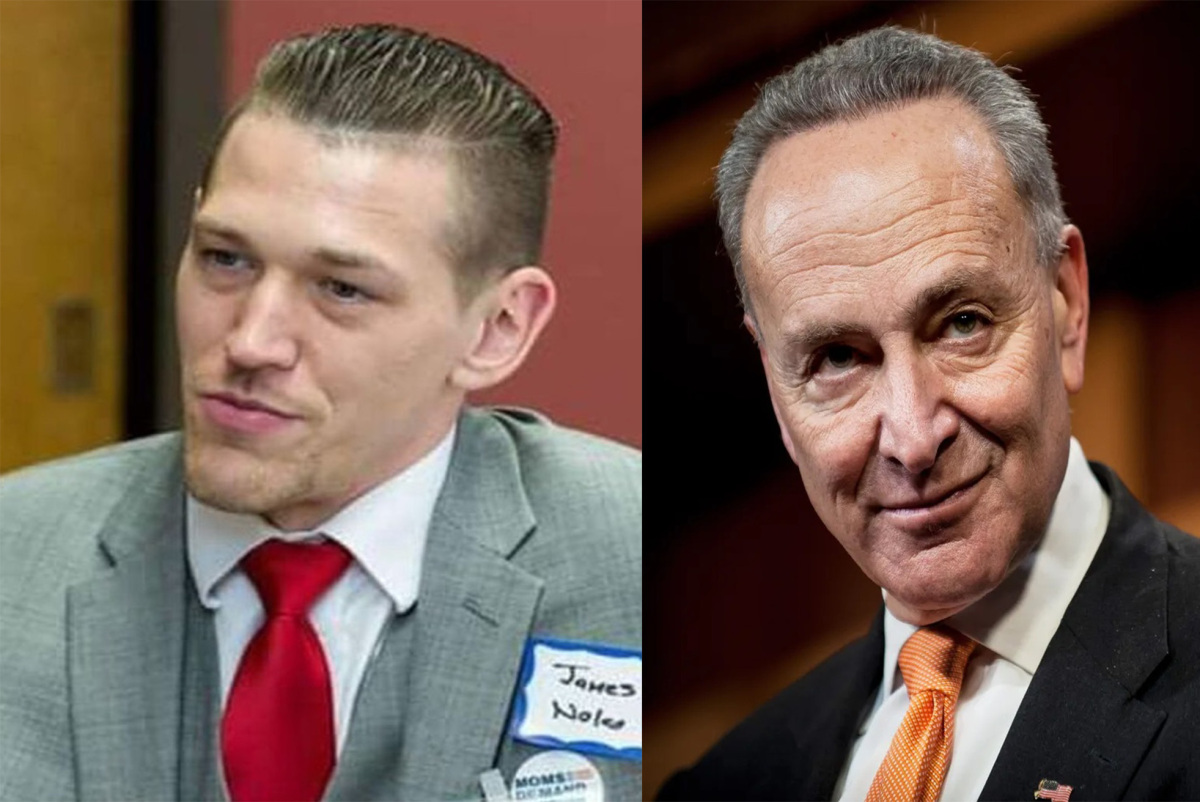
According to a report by the American media on December 2nd, New York State Westchester County Legislator James Nolan expressed his opposition to a proposed statewide ban on flavored tobacco products in a letter addressed to Senate Majority Leader Chuck Schumer. He believes that such a ban would have far-reaching consequences, including potentially exacerbating the illegal tobacco market and unfairly targeting specific communities.
Last year, the Winchester County Council passed a bill prohibiting flavored tobacco products, but it was vetoed by George Latimer, the County Executive of Winchester County. In a letter to Senator Schumer, Nolan reintroduced this matter, highlighting the significant opposition they encountered among residents and businesses in Winchester County, expressing their concerns over the potential implications of a statewide ban.
One key argument against the proposal is that it could potentially fuel the growth of the illicit tobacco market.
According to Nolan, in 2020, 53.5% of tobacco consumed in New York City was purchased from illegal sources. Implementing such a ban across the entire state would further empower black market operators. Consequently, this could potentially strengthen highly organized international criminal networks involved in tobacco smuggling, posing a "threat" to national security.
Tobacco smuggling has become a lucrative business for criminal syndicates, with profitable black market trade. Additionally, concerns have arisen over the potential future use of these profits by terrorist organizations. It is noteworthy that the US government loses billions of dollars in tax revenue annually due to tobacco-related issues, and implementing a ban on flavored tobacco could exacerbate this problem.
Another major concern raised by Nolan is the potential racial disparities that the ban may cause. Prohibiting flavored tobacco products could render all menthol tobacco in the state "illegal," and it is primarily African Americans who consume such cigarettes. Due to these reasons, Congressman James Nolan and his colleagues urge Senator Schumer to reconsider his support for the proposal to ban flavored tobacco products nationwide.
They believe that the potential benefits that the ban may bring are far outweighed by the significant negative impacts it may have on the illegal market, tax revenue, and specific communities.
We welcome news tips, article submissions, interview requests, or comments on this piece.
Please contact us at info@2firsts.com, or reach out to Alan Zhao, CEO of 2Firsts, on LinkedIn
Notice
1. This article is intended solely for professional research purposes related to industry, technology, and policy. Any references to brands or products are made purely for objective description and do not constitute any form of endorsement, recommendation, or promotion by 2Firsts.
2. The use of nicotine-containing products — including, but not limited to, cigarettes, e-cigarettes, nicotine pouchand heated tobacco products — carries significant health risks. Users are responsible for complying with all applicable laws and regulations in their respective jurisdictions.
3. This article is not intended to serve as the basis for any investment decisions or financial advice. 2Firsts assumes no direct or indirect liability for any inaccuracies or errors in the content.
4. Access to this article is strictly prohibited for individuals below the legal age in their jurisdiction.
Copyright
This article is either an original work created by 2Firsts or a reproduction from third-party sources with proper attribution. All copyrights and usage rights belong to 2Firsts or the original content provider. Unauthorized reproduction, distribution, or any other form of unauthorized use by any individual or organization is strictly prohibited. Violators will be held legally accountable.
For copyright-related inquiries, please contact: info@2firsts.com
AI Assistance Disclaimer
This article may have been enhanced using AI tools to improve translation and editorial efficiency. However, due to technical limitations, inaccuracies may occur. Readers are encouraged to refer to the cited sources for the most accurate information.
We welcome any corrections or feedback. Please contact us at: info@2firsts.com