Key Points
- Philippine local governments urged President Ferdinand Marcos Jr. to prioritize the Smoke- and Vape-Free Bill.
- The proposal seeks a nationwide framework for tobacco and vape regulation.
- Local leaders said national legislation would improve consistency in enforcement.
- The bill covers both traditional tobacco products and vaping products.
- The proposal remains under discussion and has not been enacted.
2Firsts
July 29, 2026
According to Inquirer.net, Philippine local government leaders have urged President Ferdinand Marcos Jr. to prioritize the Smoke- and Vape-Free Bill around the time of his 2026 State of the Nation Address (SONA), seeking national legislation to strengthen tobacco and vape controls.
Local officials said a nationwide regulatory framework could address differences in local enforcement standards and provide clearer legal support for public health measures.
The proposal remains at the policy advocacy stage and has not yet completed the legislative process.
Philippine Local Governments Push Smoke- and Vape-Free Bill
The League of Municipalities of the Philippines (LMP) has called on the Marcos administration to prioritize the Smoke- and Vape-Free Bill.
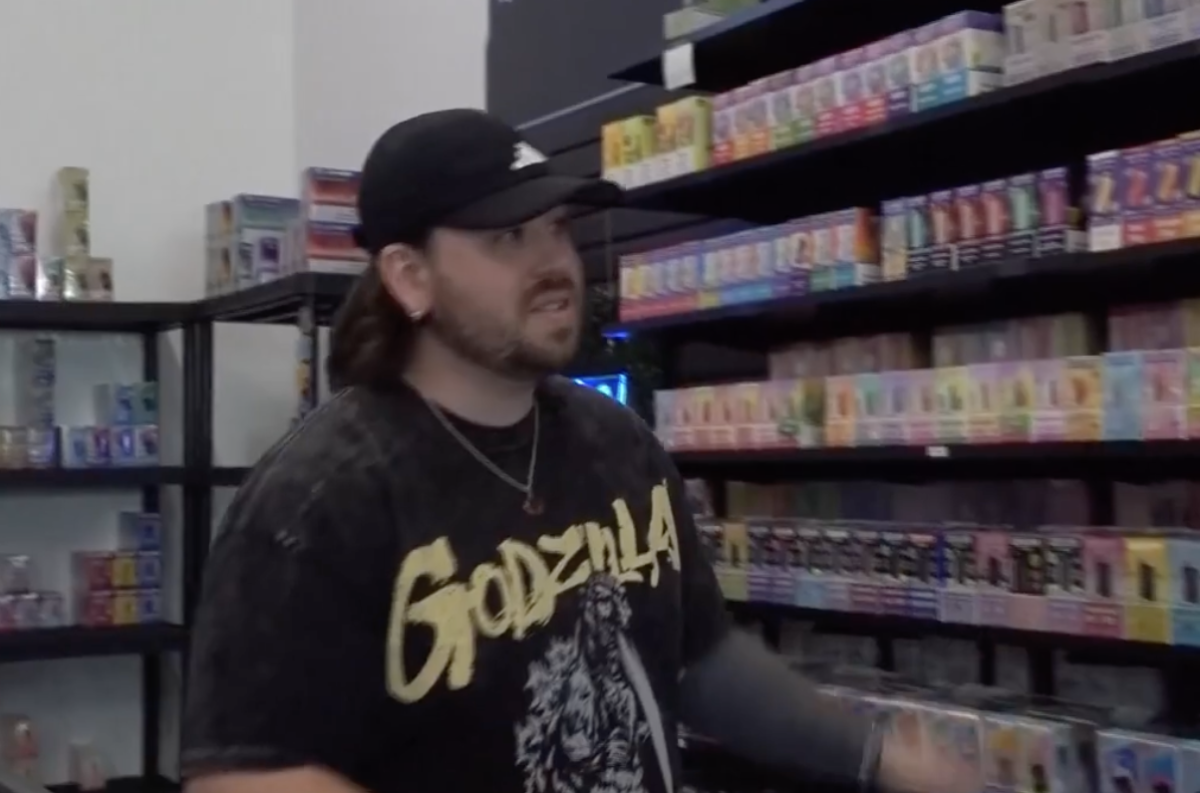
The proposal aims to establish a nationwide framework for managing smoking and vaping in public spaces and strengthening tobacco and vape controls.
Local government representatives said tobacco and vape use continues to create public health concerns and requires stronger legal support.
For local authorities, a national framework could reduce policy differences between regions and improve enforcement consistency.
Bill Covers Traditional Tobacco and Vape Regulation
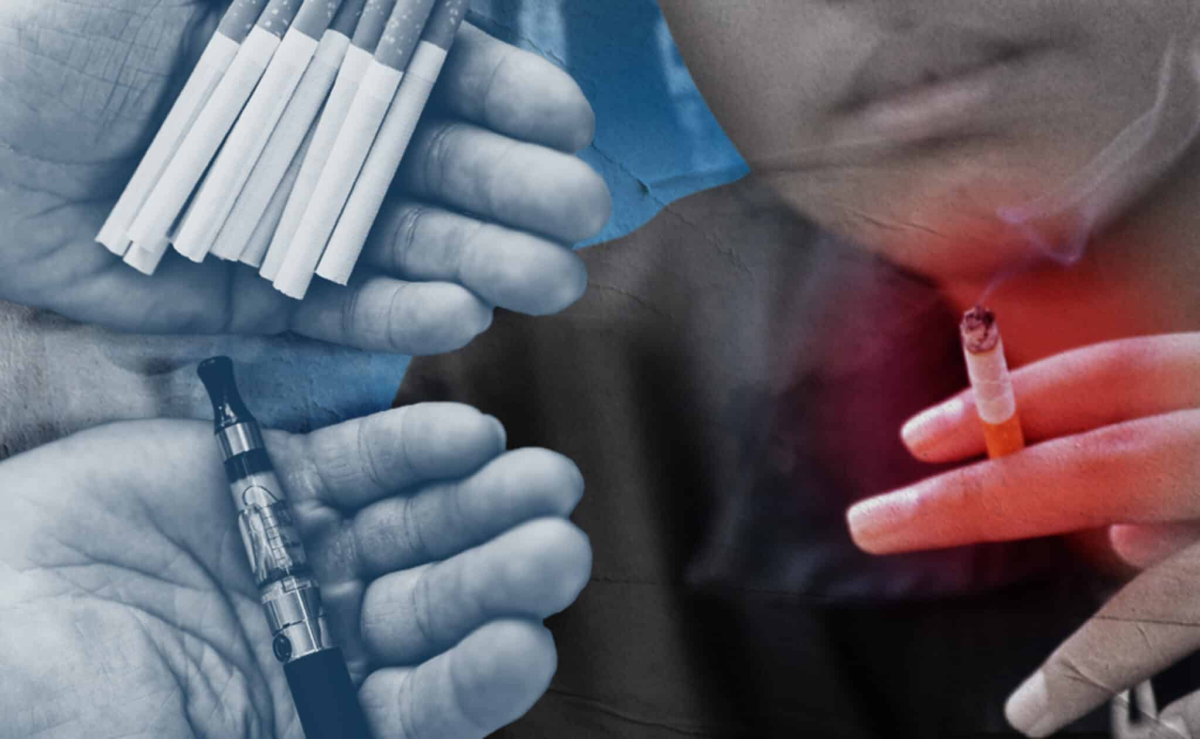
The Smoke- and Vape-Free Bill is designed to expand smoke-free policies while covering both traditional tobacco products and vaping products.
In recent years, several Philippine local governments have introduced ordinances restricting smoking and vaping in public areas.
However, local governments have argued that differences between regional rules create challenges for consistent enforcement.
The latest push reflects an effort to move from fragmented local measures toward a nationwide regulatory approach.
Local Governments Seek National Legal Support
A key reason behind the initiative is the need for clearer enforcement authority.
Under the current system, local governments may adopt different approaches to tobacco and vape regulation, creating variations in implementation.
The LMP argues that national legislation would allow more consistent action on public spaces, consumer protection and youth-related concerns.
The proposal would still require review and approval by the Philippine Congress, and final provisions could change during the legislative process.
Vape Regulation Remains Policy Focus in Philippines
The Philippines has continued debating regulation of vaping and nicotine products.
Policy discussions have focused on issues including:
● youth access to vaping products;
● public use restrictions;
● product sales management;
● consumer protection.
The push for a Smoke- and Vape-Free Bill shows that vape regulation is moving beyond local government measures and into broader national policy discussions.
Future regulation will depend on how policymakers balance public health goals, consumer demand and industry development.
Follow 2Firsts for the latest updates on global tobacco and nicotine regulation, industry developments and market trends.
Cover Image source: Inquirer.net
Disclaimer
This article is provided solely for professional research, industry discussion, and informational purposes. Any references to brands, companies, products, technologies, or policies are made for factual reporting and analytical purposes only, and do not constitute endorsement, recommendation, promotion, or advertising by 2Firsts.
Nicotine-containing products, including but not limited to cigarettes, e-cigarettes, heated tobacco products, and nicotine pouches, carry significant health risks. Readers are responsible for complying with all applicable laws and regulations in their respective jurisdictions, including age restrictions and access limitations.
The information contained in this article should not be regarded as investment, legal, medical, regulatory, or commercial advice. While 2Firsts strives to ensure the accuracy and reliability of its content, it does not assume liability for any direct or indirect loss arising from errors, omissions, inaccuracies, or reliance on the information contained herein.
This article is not intended for individuals below the legal age for accessing tobacco or nicotine-related information in their jurisdiction.
Copyright Notice
This article is either original content produced by 2Firsts or content reproduced, translated, summarized, or adapted from third-party sources with attribution where applicable. The intellectual property rights of the original content remain with 2Firsts or the respective original rights holders.
No individual or organization may copy, reproduce, distribute, republish, modify, translate, or otherwise use this content without prior authorization. Any unauthorized use may result in legal action.
For copyright-related inquiries, corrections, or removal requests, please contact: info@2firsts.com.
AI-Assisted Translation and Editing Notice
Portions of this article may have been translated, edited, or reviewed with the assistance of artificial intelligence tools to improve efficiency and readability. Due to the limitations of AI-assisted translation and editing, discrepancies, omissions, or inaccuracies may exist when compared with the original source.
Where applicable, readers are advised to refer to the original source for the most complete and accurate information. If you identify any errors or believe that any content infringes upon your rights, please contact us at info@2firsts.com, and we will review and address the matter promptly.