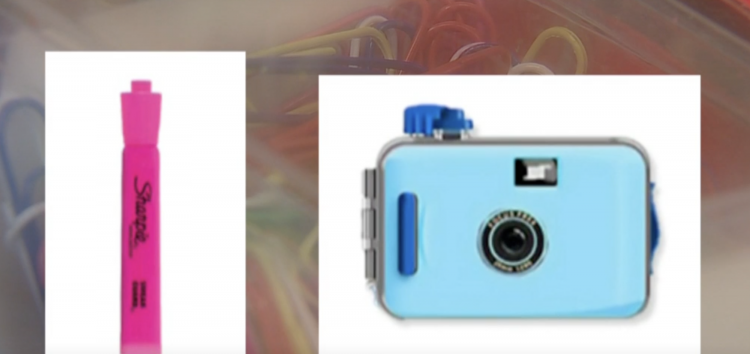
According to reports from foreign media, US Representative Abbas Farhat (Dearborn) from Connecticut is preparing a bill to ban e-cigarette products disguised as everyday items, particularly those aimed at attracting children. Health experts have long been concerned that e-cigarette products in recent years have become a challenge for educators and parents due to their appeal to children.
The e-cigarette company previously introduced flavors such as Froot Loops, Rocket Pop, Sweet Tarts, and Gummy Bears, which experts argue directly targeted children.
Currently, the United States Food and Drug Administration (FDA) is issuing warning letters to retailers selling e-cigarettes, stating that these e-cigarettes are designed to attract children. Examples of such designs include imitating fluorescent pens, teddy bears, SpongeBob SquarePants, Mario, cartoon characters, Gameboy toys, and Starbucks cups.
Linda Salem, a prevention specialist from the Northern Preventive Organization, has noted that "you will see bright colors, sunshine, and all these enhanced features that attract children." She suggests that this type of positioning might even appeal to children as young as third graders.
Salem further pointed out, "I believe this is largely due to peer pressure, with everyone saying it's cool, fun, makes you feel good, and tastes great."
Multiple reports indicate that e-cigarettes have a greater impact on the health of children and adolescents, as their brains and lungs are still developing. The use of e-cigarettes may lead to a newly identified disease called "popcorn lung," which can cause irreversible and irreparable damage to the lungs.
Despite Lansing's ongoing attention to the issue of children using e-cigarettes, Michigan's e-cigarette regulations have not been updated in recent years. Fayhart's proposal could potentially change this situation.
Fahart expressed, "The health and safety of young people is one of my top priorities. Products targeted towards adults shouldn't be overly appealing to children. I must protect the safety of parents and children in our community, and that's exactly why I propose legislation to ban these goods.
It is worth noting that in September 2019, Michigan became the first state in the United States to ban the sale of flavored e-cigarettes, prompting other states to follow suit.
The FDA has pointed out that e-cigarette companies have changed their advertising strategies since 2019, targeting children directly. Dr. Brian King, Director of the FDA's Center for Tobacco Products, stated, "The designs of these products are shameless and excessively blatant attempts to appeal to children. It is hard to convince adult smokers that they need products resembling SpongeBob SquarePants to quit smoking.
Supporters are hoping that Michigan's history of combating youth e-cigarette issues will result in more protective measures.
The Michigan Department of Health and Human Services has responded to the FDA's concerns regarding the use of e-cigarettes by children, stating that the usage of these products among adolescents may potentially cause permanent damage to their developing brains. They further emphasized that tobacco companies are attempting to cultivate lifelong consumers during the teenage years, disregarding the health of individuals.
Disclaimer
This article is provided solely for professional research, industry discussion, and informational purposes. Any references to brands, companies, products, technologies, or policies are made for factual reporting and analytical purposes only, and do not constitute endorsement, recommendation, promotion, or advertising by 2Firsts.
Nicotine-containing products, including but not limited to cigarettes, e-cigarettes, heated tobacco products, and nicotine pouches, carry significant health risks. Readers are responsible for complying with all applicable laws and regulations in their respective jurisdictions, including age restrictions and access limitations.
The information contained in this article should not be regarded as investment, legal, medical, regulatory, or commercial advice. While 2Firsts strives to ensure the accuracy and reliability of its content, it does not assume liability for any direct or indirect loss arising from errors, omissions, inaccuracies, or reliance on the information contained herein.
This article is not intended for individuals below the legal age for accessing tobacco or nicotine-related information in their jurisdiction.
Copyright Notice
This article is either original content produced by 2Firsts or content reproduced, translated, summarized, or adapted from third-party sources with attribution where applicable. The intellectual property rights of the original content remain with 2Firsts or the respective original rights holders.
No individual or organization may copy, reproduce, distribute, republish, modify, translate, or otherwise use this content without prior authorization. Any unauthorized use may result in legal action.
For copyright-related inquiries, corrections, or removal requests, please contact: info@2firsts.com.
AI-Assisted Translation and Editing Notice
Portions of this article may have been translated, edited, or reviewed with the assistance of artificial intelligence tools to improve efficiency and readability. Due to the limitations of AI-assisted translation and editing, discrepancies, omissions, or inaccuracies may exist when compared with the original source.
Where applicable, readers are advised to refer to the original source for the most complete and accurate information. If you identify any errors or believe that any content infringes upon your rights, please contact us at info@2firsts.com, and we will review and address the matter promptly.