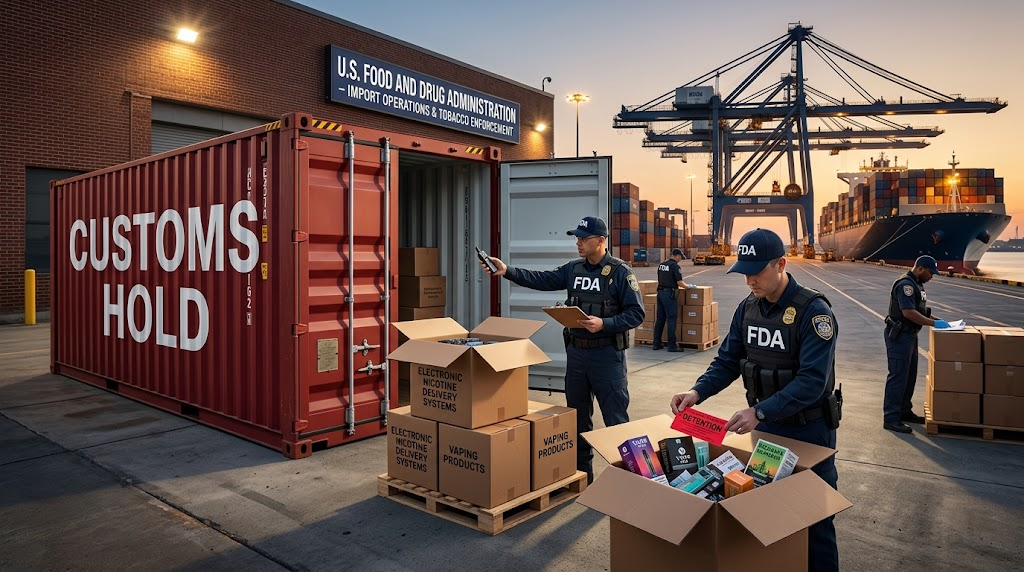
Proposal to Regulate Tobacco Sales in Tempe, Arizona

Feb.22.2023
Proposal to Regulate Tobacco Sales in Tempe, Arizona
Tempe, Arizona considers requiring tobacco sales permit for retailers, raising tobacco purchase age to 21, and revoking license for sales to minors.

The city of Tempe in Arizona, United States, is considering a proposal that would require retailers to obtain a tobacco sales license to sell products such as electronic cigarettes.


According to reports, a proposal from the city council committee is calling for the registration of tobacco-selling businesses throughout the city and for the revocation of licenses for retailers repeatedly selling tobacco to minors.


It also recommends raising the age limit for purchasing tobacco products to 21 years old. While federal law already prohibits the sale to those under 21, there is no similar state law in Arizona.


Before discussing the issue, the Tampa City Council will hold two community meetings and an online survey in March, with the discussion expected to take place in April or May.


Disclaimer

This article is provided solely for professional research, industry discussion, and informational purposes. Any references to brands, companies, products, technologies, or policies are made for factual reporting and analytical purposes only, and do not constitute endorsement, recommendation, promotion, or advertising by 2Firsts.

Nicotine-containing products, including but not limited to cigarettes, e-cigarettes, heated tobacco products, and nicotine pouches, carry significant health risks. Readers are responsible for complying with all applicable laws and regulations in their respective jurisdictions, including age restrictions and access limitations.

The information contained in this article should not be regarded as investment, legal, medical, regulatory, or commercial advice. While 2Firsts strives to ensure the accuracy and reliability of its content, it does not assume liability for any direct or indirect loss arising from errors, omissions, inaccuracies, or reliance on the information contained herein.

This article is not intended for individuals below the legal age for accessing tobacco or nicotine-related information in their jurisdiction.


Copyright Notice

This article is either original content produced by 2Firsts or content reproduced, translated, summarized, or adapted from third-party sources with attribution where applicable. The intellectual property rights of the original content remain with 2Firsts or the respective original rights holders.

No individual or organization may copy, reproduce, distribute, republish, modify, translate, or otherwise use this content without prior authorization. Any unauthorized use may result in legal action.

For copyright-related inquiries, corrections, or removal requests, please contact: info@2firsts.com.


AI-Assisted Translation and Editing Notice

Portions of this article may have been translated, edited, or reviewed with the assistance of artificial intelligence tools to improve efficiency and readability. Due to the limitations of AI-assisted translation and editing, discrepancies, omissions, or inaccuracies may exist when compared with the original source.

Where applicable, readers are advised to refer to the original source for the most complete and accurate information. If you identify any errors or believe that any content infringes upon your rights, please contact us at info@2firsts.com, and we will review and address the matter promptly.

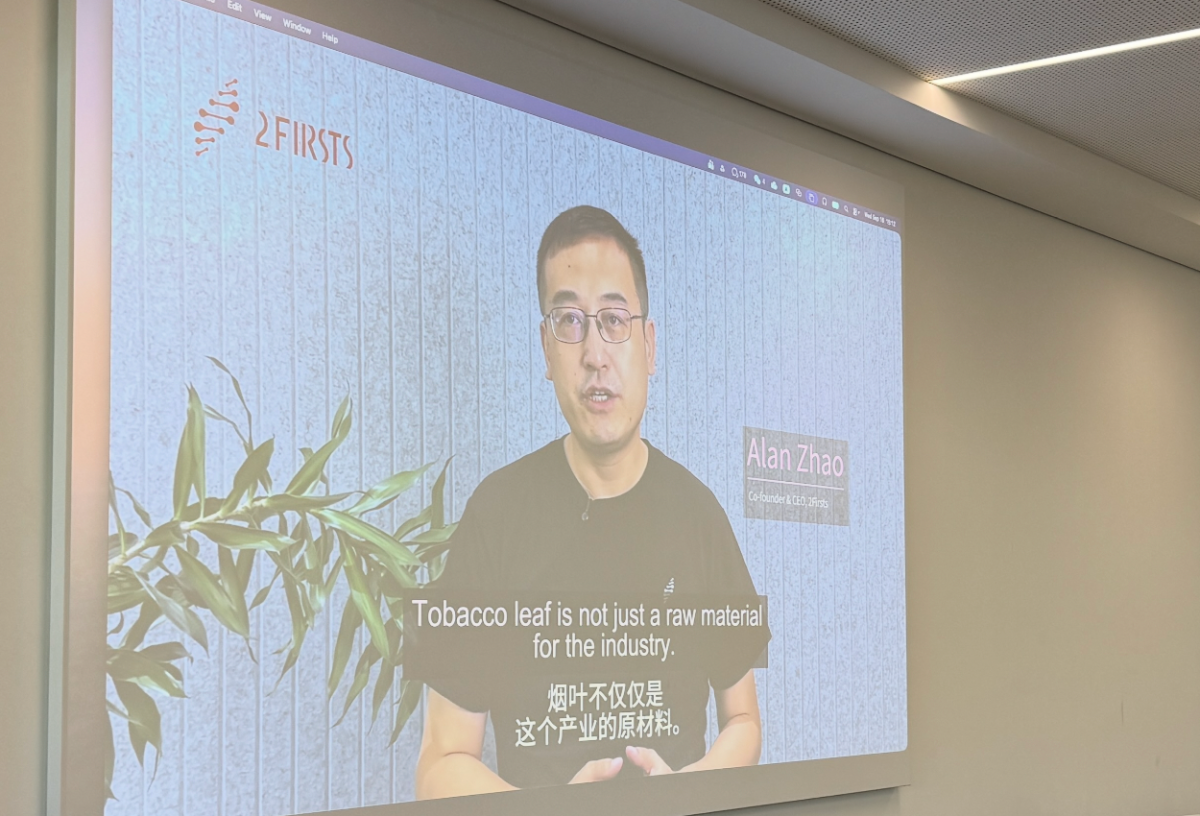
2Firsts Hosts China Market Forum at InterTabac as Global Industry Attention to China’s Tobacco Sector Deepens
On September 16, 2Firsts hosted a China-focused industry forum during InterTabac in Dortmund, bringing together more than 30 participants from North America, Europe, India, South Korea and other markets. The session covered traditional tobacco, next-generation products, exports, technology, regulation and supply chains, while examining how China’s tobacco sector operates, where its transformation may be heading, and why its growing role matters increasingly to companies across the global tobacco and nicotine industry.
Sep.21
Product | Philip Morris Korea Launches TEREA Limona Pearl, Expanding Fresh Blend Capsule Lineup to Five
Philip Morris Korea launched TEREA Limona Pearl in South Korea on August 31, 2026, expanding the TEREA Fresh Blend capsule tobacco stick lineup from four variants to five. Designed for the IQOS ILUMA series, the new stick combines a capsule with what the company calls a Fresh Filter. Philip Morris Korea describes the product as offering an aromatic, refreshing flavor profile with a cooling sensation, with an additional fresh note released when the capsule is crushed. The recommended retail price is KRW 4,800 per pack, with sales through IQOS stores and convenience stores nationwide. No reliable evidence has been found that the same Limona Pearl SKU was previously officially launched in another major IQOS market.
Sep.01
Smoore Seeks to Toss CCELL Price-Fixing Claim as Court Weighs Vertical Distribution Versus Horizontal Conspiracy
Smoore and four authorized U.S. CCELL distributors are asking a California federal court to permanently dismiss a core antitrust claim brought by direct purchasers. Plaintiffs allege that Smoore coordinated minimum wholesale prices, customer allocation and limits on price competition among distributors, amounting to a per se unlawful horizontal conspiracy. The defendants say the alleged conduct reflects ordinary vertical relationships between a manufacturer and its distributors. The court previously dismissed a similar claim, and the latest dispute centers on whether the second amended complaint adds sufficient facts to establish a horizontal agreement.
Sep.14
FDA Revises Import Alert 98-07 Rules, Bringing May Enforcement Priorities Into Unauthorized ENDS Detentions
The U.S. Food and Drug Administration has revised the rules under Import Alert 98-07 to incorporate its May 2026 enforcement-priority policy for certain electronic nicotine delivery systems marketed without premarket authorization. The alert continues to allow detention without physical examination, or DWPE, for ENDS lacking required marketing authorization, while directing field divisions to apply the May risk-based framework. When necessary, detention or refusal decisions must also undergo review by the FDA's Center for Tobacco Products. Products including PACHA and Vuse Pro have already emerged as industry examples of the May policy, although enforcement discretion does not constitute FDA marketing authorization.
News
Sep.28 by 2Firsts Perspectives
Canada Health Minister Says She Is Not Considering Looser Nicotine Pouch Retail Rules as PMI-Linked Group Pushes for Wider Access
Canadian Health Minister Marjorie Michel says she is not considering loosening retail restrictions on nicotine pouches. Canada regulates pouches containing 4 mg or less of nicotine per unit as non-prescription nicotine replacement therapy and requires newer NRT formats such as pouches to be sold from behind pharmacy counters. Meanwhile, Unsmoke Canada, linked to Philip Morris International's Canadian business, is pushing to allow pouches in convenience stores and other general retail outlets. Health Canada also acknowledges continued unauthorized sales, while recent research shows rising pouch use among Canadian youth aged 16 to 19.
Sep.24
China Tobacco Yunnan files patent for cellulose-free nicotine pouch scaffold to replace microcrystalline cellulose
China Tobacco Yunnan Industrial Co., Ltd. has filed a patent application for a cellulose-free scaffold material for nicotine pouches, proposing a combination of bioceramic material, polydextrose and sugar alcohols to replace conventional microcrystalline cellulose and cellulose derivatives. The filing aims to address issues including powdery mouthfeel, residue and limited release control, while also reducing reliance on existing cellulose-based patent portfolios. In patent examples, one fast-release formulation reached a nicotine release rate of 50% at 10 minutes and more than 90% at 20 minutes.
Sep.02