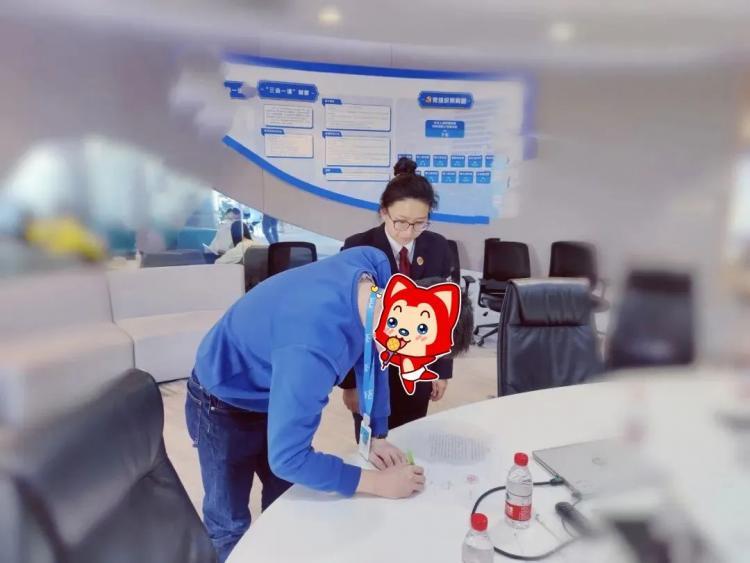
Recently, the People's Procuratorate of Yangpu District found during routine monitoring that a well-known website platform aimed primarily at young people had published and distributed some evaluation videos without any restrictions or warnings for minors, which may pose a risk of encouraging minors to use electronic cigarettes.
Therefore, the People's Procuratorate of Yangpu District has carried out administrative public interest litigation in accordance with the law, and issued a pre-litigation prosecutorial suggestion to the cultural administrative regulatory department of Yangpu District. They are demanding that the regulatory department fulfill its supervisory and management responsibilities in accordance with the law and urge the platform to complete the rectification of negative-oriented online information.
After the recommendation was made, the People's Procuratorate of Yangpu District and the cultural administrative regulatory department of Yangpu District visited the website platform immediately to conduct discussions and exchanges, and issued a notice to implement social responsibilities to the website platform.
The online platform places great importance on the issues identified by the prosecuting authorities and the improvement recommendations put forward by regulatory bodies. In response, the platform has promptly mobilized its internal regulatory department to conduct a cleanup operation and encouraged short video content creators to voluntarily remove any related videos.
After making improvements, all short video reviews of electronic cigarettes now include significant warnings against underage use of e-cigarettes. Additionally, the platform has optimized its search function for keywords such as "e-cigarettes" and "pods" to ensure proper guidance stating that minors are not permitted to use e-cigarettes.
As per the 2021 China Youth and College Student Tobacco Use Monitoring Report released by the Chinese Center for Disease Control and Prevention, electronic cigarettes are widely popular among teenagers. 86.6% of middle school students have heard of electronic cigarettes, 16.1% have used them, and 3.6% are currently using them. The most commonly used flavor among middle school students is fruit flavor.
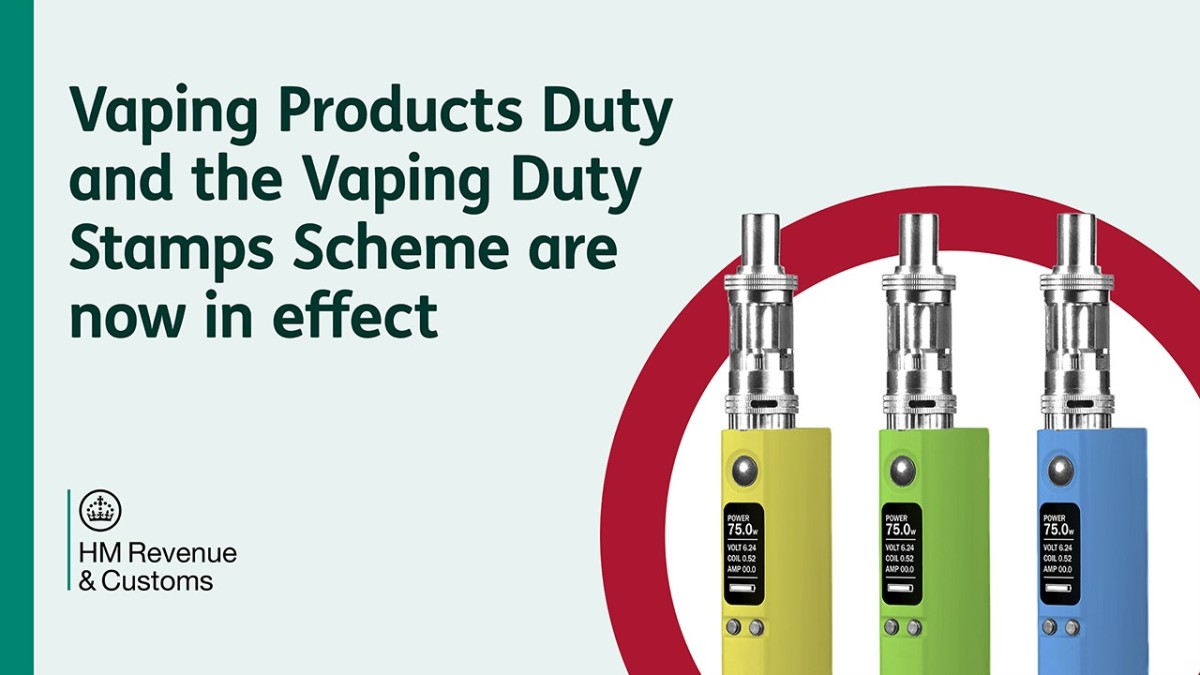
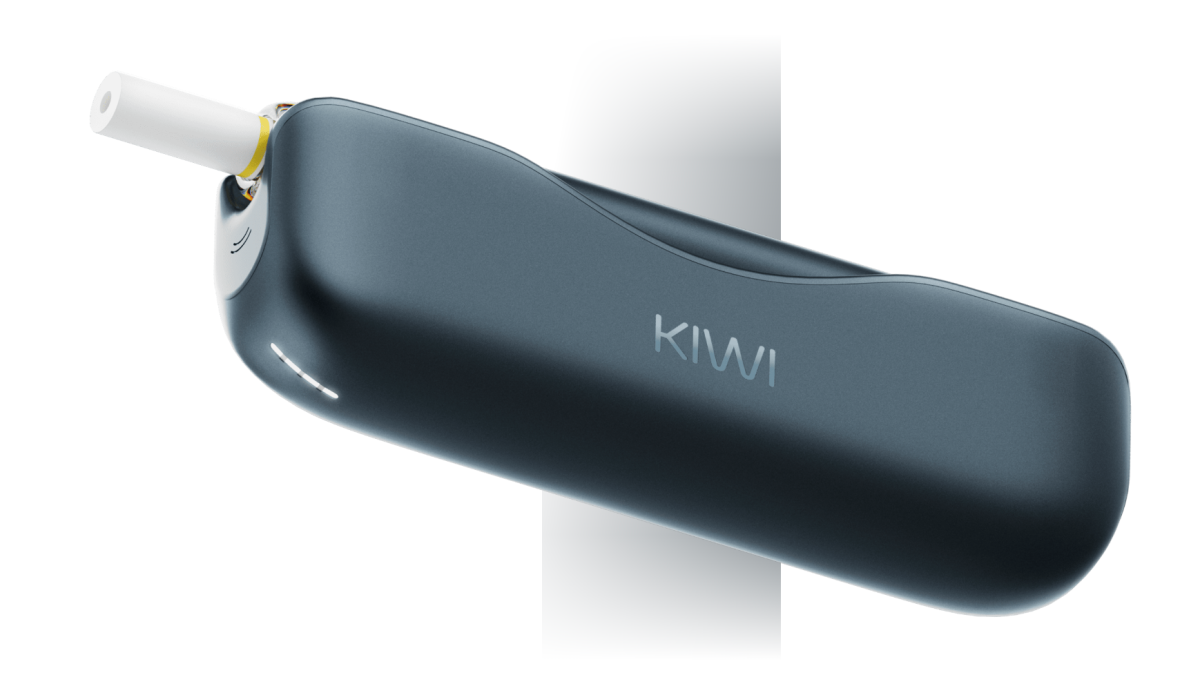
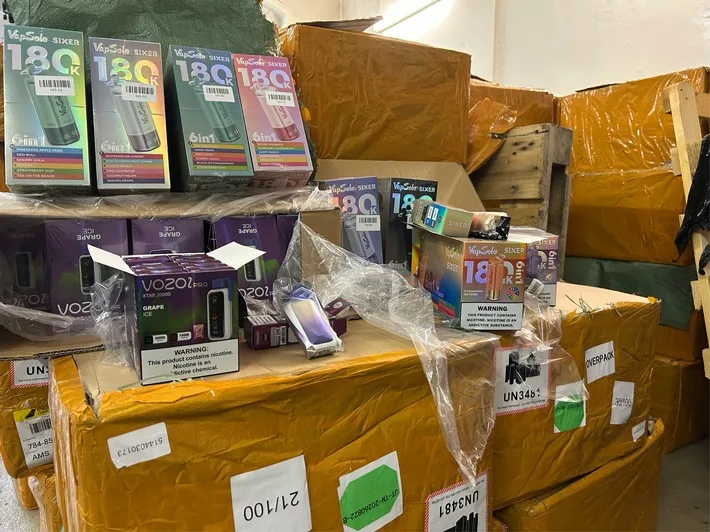
Electronic cigarettes are composed of a battery-powered device, a vaporizer, and a pod containing e-liquid. When the e-liquid is vaporized by the vaporizer, it creates a sensation similar to smoking. However, the e-liquid often contains nicotine, which is a highly addictive and toxic chemical substance. Nicotine can harm the lung development of minors and cause various safety risks such as nicotine poisoning if used improperly.
According to the relevant provisions of the Law on the Protection of Minors, the Circular on Prohibiting the Sale of Electronic Cigarettes to Minors and the Circular on Further Protecting Minors from the Harms of Electronic Cigarettes, all types of market entities are prohibited from selling or promoting electronic cigarettes to minors. The media and all sectors of society should actively promote and guide, in order to protect minors from the harm of electronic cigarettes.
On May 1, 2022, electronic cigarettes faced their "toughest regulation" as the State Tobacco Monopoly Administration issued a notice calling for increased public education regarding the health hazards of e-cigarettes, discouraging young people from using them and forbidding their use by primary and secondary school students. Special education schools, vocational schools, special schools, and kindergartens are prohibited from setting up e-cigarette sales outlets around their premises. The sale of e-cigarettes to minors is strictly prohibited and e-cigarette operators must prominently display signage indicating that sales are not allowed to minors, while requiring identification from those who may appear underage. The sale of flavored e-cigarettes and e-cigarettes that allow for self-addition of vaporized substances, except for tobacco flavoring, is also prohibited.
Smoking control is an ongoing effort that requires continued attention. In order to effectively implement prosecution recommendations, the Yangpu District People's Procuratorate, in collaboration with relevant government agencies, is conducting a comprehensive investigation of all registered websites within its jurisdiction. They will inform and guide providers of online products and services, promote actions to purify the online environment for minors, and work together to create a shield of protection with the participation of judicial authorities, regulatory agencies, the manufacturing and sales industry, schools, and families.
This article contains excerpts or republished content sourced from third-party information. The copyright belongs to the original media and author. If there is any infringement, please contact us for deletion. Any organization or individual wishing to repost must contact the author and must not repost directly.
Disclaimer
This article is provided solely for professional research, industry discussion, and informational purposes. Any references to brands, companies, products, technologies, or policies are made for factual reporting and analytical purposes only, and do not constitute endorsement, recommendation, promotion, or advertising by 2Firsts.
Nicotine-containing products, including but not limited to cigarettes, e-cigarettes, heated tobacco products, and nicotine pouches, carry significant health risks. Readers are responsible for complying with all applicable laws and regulations in their respective jurisdictions, including age restrictions and access limitations.
The information contained in this article should not be regarded as investment, legal, medical, regulatory, or commercial advice. While 2Firsts strives to ensure the accuracy and reliability of its content, it does not assume liability for any direct or indirect loss arising from errors, omissions, inaccuracies, or reliance on the information contained herein.
This article is not intended for individuals below the legal age for accessing tobacco or nicotine-related information in their jurisdiction.
Copyright Notice
This article is either original content produced by 2Firsts or content reproduced, translated, summarized, or adapted from third-party sources with attribution where applicable. The intellectual property rights of the original content remain with 2Firsts or the respective original rights holders.
No individual or organization may copy, reproduce, distribute, republish, modify, translate, or otherwise use this content without prior authorization. Any unauthorized use may result in legal action.
For copyright-related inquiries, corrections, or removal requests, please contact: info@2firsts.com.
AI-Assisted Translation and Editing Notice
Portions of this article may have been translated, edited, or reviewed with the assistance of artificial intelligence tools to improve efficiency and readability. Due to the limitations of AI-assisted translation and editing, discrepancies, omissions, or inaccuracies may exist when compared with the original source.
Where applicable, readers are advised to refer to the original source for the most complete and accurate information. If you identify any errors or believe that any content infringes upon your rights, please contact us at info@2firsts.com, and we will review and address the matter promptly.