Key Points
- Reemtsma said officially reported seizures of illegal tobacco and nicotine products in Germany continued to rise.
- First-half 2026 illegal e-cigarette seizures reached 2,489,960 units, equal to 70% of the 2025 full-year level.
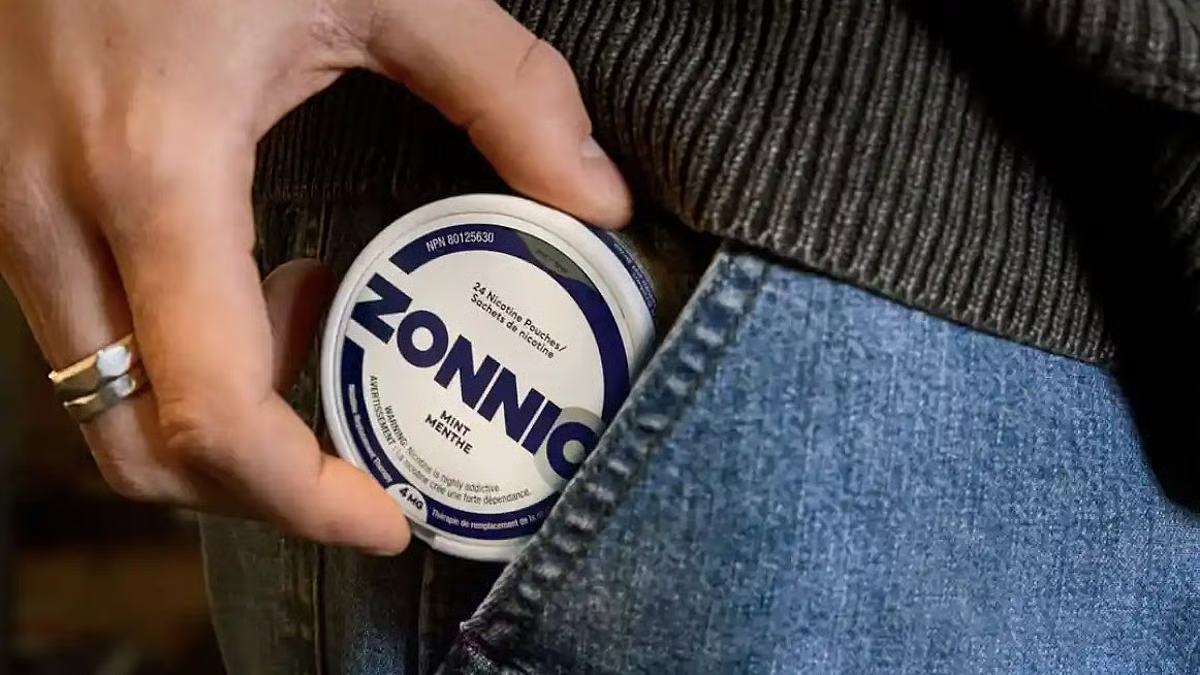
- Snus and tobacco-free nicotine pouch seizures reached 42,499 cans, equal to 179% of the full-year 2025 level.
- Reported tax losses reached 25.3 million euros, equal to 97% of the 2025 full-year level.
- Reemtsma warned that tax hikes, broad bans, lack of regulation and enforcement gaps could further pressure the legal market.
2Firsts
July 8, 2026
Reemtsma said its first-half 2026 black-market tracker for tobacco and nicotine products showed a continued increase in officially reported seizures of illegal products in Germany, with e-cigarettes, snus and tobacco-free nicotine pouches among the categories showing notable growth.
First-Half Seizures Approach or Exceed 2025 Totals
Reemtsma is Imperial Brands’ German tobacco company and describes itself as part of the Imperial Brands group.
Reemtsma said the tracker is based on official notices from German customs and police authorities and records seizures of illegal or non-compliant tobacco and nicotine products.
For the first half of 2026, the tracker recorded at least:
● 55,938,553 illegal cigarettes;
● 2,489,960 illegal e-cigarettes;
● 42,499 cans of snus or tobacco-free nicotine pouches;
● 25,330,474 euros in reported tax losses.
For full-year 2025, the corresponding figures were 86,827,371 illegal cigarettes, 3,564,118 illegal e-cigarettes, 23,741 cans of snus or tobacco-free nicotine pouches and 26,132,821 euros in reported tax losses.
According to Reemtsma, first-half cigarette seizures reached 64% of the full-year 2025 level, while e-cigarette seizures reached 70%. Snus and nicotine pouch seizures reached 179% of the full-year 2025 level, or about 79% above last year’s total. Reported tax losses in the first six months of 2026 reached 97% of the 2025 level.
Reemtsma Says the Illegal Market Is Gaining Momentum
Reemtsma said its tracker has been continuously evaluating official customs and police notices on seizures of illegal or non-compliant tobacco and nicotine products since the beginning of 2025.
Christian Cordes, Reemtsma’s Director Corporate and Legal Affairs for the DACH cluster, said the tracker reflects only officially reported seizures and therefore represents only “the tip of the iceberg.” He said the high midyear figures were alarming.
Cordes said products such as e-cigarettes, snus and nicotine pouches show how quickly illegal suppliers can exploit grey areas, enforcement gaps or economic incentives for avoidance. He said that if the market is not regulated in a controllable way and the legal market is weakened, illegal operators stand to benefit.
Company Warns Against Further Tobacco Tax Increases
Reemtsma said it viewed planned tobacco tax increases by Germany’s Federal Ministry of Finance critically. The company said higher taxes can generate additional government revenue only if the legal market remains stable and consumers are not pushed toward illegal or cross-border purchasing channels.
In a LinkedIn post, Reemtsma also said readers could judge for themselves whether further measures that put additional pressure on the legal, regulated market, including drastic tax increases, broad bans, lack of regulation and enforcement gaps, could reverse the trend.
Cordes said a tobacco tax policy that weakens the legal market and strengthens the illegal market is not sensible from either a fiscal or public-health perspective. He said additional tax revenue arises only when products are actually purchased and taxed in the legal market; if consumers move into illegal channels, the state, businesses, consumer protection and youth protection all lose.
Reemtsma also referred to France and the Netherlands as markets where consumers have shifted toward illegal or cross-border sources. The company said Germany should avoid tax or prohibition shocks that could accelerate similar trends.
Company Calls for Stronger Enforcement and Workable Regulation
Reemtsma said Germany needs a predictable, effective and enforceable policy against illegal trade in tobacco and nicotine products. The company said this should include clear responsibilities, effective inspections, meaningful sanctions against illegal suppliers and rules that do not unnecessarily push legal products out of the market.
The company said official notices already show that illegal trade is becoming a growing challenge for authorities. Further tax or prohibition shocks could accelerate the trend.
In its LinkedIn post, Reemtsma also said the tracker has continuously evaluated official notices from German customs and police authorities since the beginning of 2025 on seizures of illegal or non-compliant tobacco and nicotine products. The company said the tracker does not provide absolute market-size figures but offers an official-source-based picture of Germany’s black-market dynamics.
Industry Impact and Next Steps
From an industry perspective, Reemtsma’s figures do not represent the full size of Germany’s illicit tobacco and nicotine market, because the tracker covers only officially reported seizures. However, the data provide a reference point for monitoring changes in illegal trade.
The sharp rise in reported seizures involving e-cigarettes and nicotine pouches shows that Germany’s new nicotine product market faces a more complex balance among regulation, taxation and enforcement. If legal products face higher tax burdens or unclear regulatory boundaries, illegal supply chains may continue to exploit price gaps, compliance gaps and online or offline distribution channels.
For German regulators, the key question is how to balance tax revenue, consumer protection, youth protection and stability in the legal market. For tobacco and nicotine companies, black-market data are likely to become an important part of policy discussions over taxation and product regulation.
Follow 2Firsts for the latest updates on global tobacco harm reduction, nicotine products and regulatory developments.
Image source: Reemtsma
Disclaimer
This article is provided solely for professional research, industry discussion, and informational purposes. Any references to brands, companies, products, technologies, or policies are made for factual reporting and analytical purposes only, and do not constitute endorsement, recommendation, promotion, or advertising by 2Firsts.
Nicotine-containing products, including but not limited to cigarettes, e-cigarettes, heated tobacco products, and nicotine pouches, carry significant health risks. Readers are responsible for complying with all applicable laws and regulations in their respective jurisdictions, including age restrictions and access limitations.
The information contained in this article should not be regarded as investment, legal, medical, regulatory, or commercial advice. While 2Firsts strives to ensure the accuracy and reliability of its content, it does not assume liability for any direct or indirect loss arising from errors, omissions, inaccuracies, or reliance on the information contained herein.
This article is not intended for individuals below the legal age for accessing tobacco or nicotine-related information in their jurisdiction.
Copyright Notice
This article is either original content produced by 2Firsts or content reproduced, translated, summarized, or adapted from third-party sources with attribution where applicable. The intellectual property rights of the original content remain with 2Firsts or the respective original rights holders.
No individual or organization may copy, reproduce, distribute, republish, modify, translate, or otherwise use this content without prior authorization. Any unauthorized use may result in legal action.
For copyright-related inquiries, corrections, or removal requests, please contact: info@2firsts.com.
AI-Assisted Translation and Editing Notice
Portions of this article may have been translated, edited, or reviewed with the assistance of artificial intelligence tools to improve efficiency and readability. Due to the limitations of AI-assisted translation and editing, discrepancies, omissions, or inaccuracies may exist when compared with the original source.
Where applicable, readers are advised to refer to the original source for the most complete and accurate information. If you identify any errors or believe that any content infringes upon your rights, please contact us at info@2firsts.com, and we will review and address the matter promptly.