Reynolds Tries to Bully Small Retailers

MarketBusiness
May.04.2023
Reynolds Tries to Bully Small Retailers
R. J. Reynolds threatens lawsuits against small e-cigarette retailers if they don't cease selling flavored e-cigarettes, drawing criticism from industry experts.

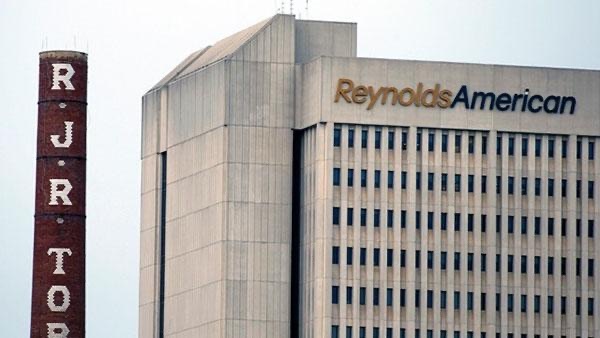
American tobacco giant R. J. Reynolds has issued threats of lawsuits to small e-cigarette retailers if they do not stop selling flavored e-cigarettes, according to a report by StatNews on May 3rd. The threats were found in letters sent by Reynolds to the retailers in March.


"Long Arm Regulation"

The report suggests that this is the latest example of Reynolds's aggressive crackdown on illegal e-cigarette products. In one of the letters to a retailer, Reynolds Tobacco pointed out that the store was selling ELFBAR disposable e-cigarettes, which the FDA has not yet taken any enforcement action against.


In February, the company filed an application with the U.S. Food and Drug Administration (FDA) to ban flavored disposable e-cigarettes and supported similar legislation in Congress.


The letters also indicate Reynolds Tobacco's growing frustration with the FDA's enforcement approach, particularly regarding flavored e-cigarettes. Although these products are currently illegal, the FDA has only issued warning letters to some manufacturers.


Despicable Tactics Condemned

Industry researchers criticized Reynolds's actions. Eric Lindblom of Georgetown University's O'Neill Institute questioned the company's approach, stating that the FDA could resolve the issue. Independent consultant and tobacco harm reduction advocate Clive Bates also criticized Reynolds Tobacco, arguing that it should pressure federal agencies to do their jobs better, rather than targeting small retailers.


A spokesperson for Reynolds claimed that removing illegal products from store shelves demonstrates the company's commitment to consumers.


In the letters, Reynolds threatened that selling illegal products could lead to consequences, "including the termination of cooperation with Reynolds."


No Actions Yet

According to StatNews, it appears that Reynolds Tobacco has not yet sued any e-cigarette retailers. However, if the company does pursue litigation, it would likely be based on state unfair competition laws.


In the letters, Reynolds Tobacco's lawyers argue that the sale of flavored tobacco products violates relevant laws and "has harmed and will continue to harm" Reynolds's e-cigarette business. Reynolds may also contend that being forced to compete with illegal products undermines its legitimate business. However, this argument seems to contradict statements made by the CEO of its parent company, British American Tobacco, who told investors that the growth of disposable products in the U.S. has not negatively impacted the company's business. In a February 2023 earnings call, he stated that Vuse is the fastest-growing nicotine product in the U.S.


*The content of this article is written after the extraction, compilation and integration of multiple information for exchange and learning purposes. The copyright of the summary information still belongs to the original article and its author. If any infringement is found, please contact us to delete it. 

Washington Policy Media Flags Surge: China’s Monthly Vape Exports Jump from 2.2M Kg to 14.8M Kg; Crackdown Effectiveness Questioned
The Washington Examiner on December 9, 2025, reported: China's vape export volume to the U.S. rebounded sharply from 2.2 million kilograms to 14.8 million kilograms despite the crackdown. This volatility, confirming the annual multi-billion dollar trade gap, is the "Bullwhip Effect" in action. It transfers massive inventory to the U.S. market, putting the working capital of Chinese manufacturers and the supply chain at severe risk of lock-up and failure. Regulatory escalation is now imminent.
News
Dec.11
Echo Guo: The Accumulating Risks Behind the Surge in Chinese Vape Exports to the U.S.
Chinese vape exports to the U.S. jumped from about 2.2 million kg in June to 14.8 million kg in October 2025, despite tougher enforcement, the Washington Examiner reported. 2Firsts finds the surge reflects delayed bulk shipments, not demand recovery. With U.S. inventory exceeding 160 million devices and distributors paying ~10% upfront, cash-flow stress has shifted to Chinese manufacturers, and discounted stock is spilling into other markets.
Dec.14 by Echo Duo
Special Report|With Charlie’s US Line Online, the US-Filled Vape Supply Chain Model Enters a New Phase
Charlie’s Holdings has activated its first US-based manufacturing and filling line, enabling the company’s Pachamama 25K vape series to meet Texas’ new domestic manufacturing requirements. As state-level rules tighten, the move signals a broader industry shift toward US-filled supply chains and marks an inflection point for brands historically reliant on China-based prefilled production.
Industry Insight
Dec.02
VCU Tests Nearly 1,300 School-Confiscated Vapes, Finding Mislabeling, Mixed Cannabinoids and Contamination
New research from Virginia Commonwealth University (VCU) found microbial contamination — including coliform, a bacteria indicating fecal exposure — in some vaping devices confiscated from U.S. schools. However, researchers stressed that newly purchased, unopened vapes showed no such contamination. The findings point to risks linked to unregulated products and improper storage conditions, reinforcing the importance of regulated supply chains and product authentication.
News
Dec.01