In Santa Cruz County, the phrase “smoke ‘em if you got ‘em” no longer applies to flavored tobacco products. On July 15, the city of Scotts Valley will join the cities of Santa Cruz, Capitola and Watsonville and the county’s unincorporated areas to prohibit the sale of tobacco products with “a taste or smell other than tobacco,” uniting all of the jurisdictions in a countywide ban.
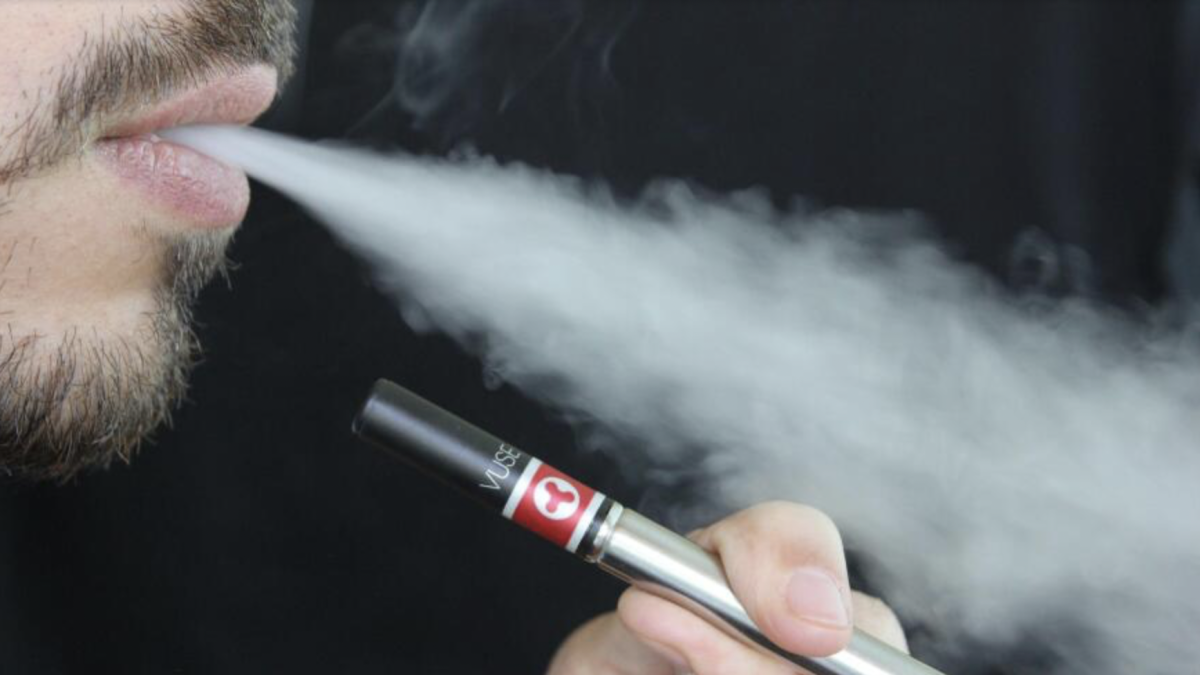
Santa Cruz County is the second county in the state to ban the sale of flavored tobacco products across all jurisdictions and, with more than 273,000 residents, by far the largest. Only little Mono County, population 14,395, has done the same. Statewide, more than 100 jurisdictions have now restricted such products, some with rules less stringent than those now in effect locally.
Further, an R.J. Reynolds-fueled referendum on the November Californiaballot could upend statewide efforts.
When Scotts Valley’s law goes into effect next month, the sale of flavored tobacco products, including candy- and fruit-flavored products and menthol-flavored cigarettes, will be banned everywhere in the county. It follows a county ban that went into effect in 2019, which was quickly followed by bans in the cities of Santa Cruz, Capitola and Watsonville. Watsonville took its restriction one step further and also banned the sale of electronic smoking devices.
Scotts Valley postponed its ban until this year due to the pandemic and the CZU Lightning Complex fires. The city also decided that outdoor dining areas, which expanded considerably, should also be included, in addition to other public areas.
The new Scotts Valley ordinance, along with the other local jurisdictions’, applies to the selling of the tobacco products.
In addition, the use of e-cigarettes and flavored tobacco products in outdoor dining areas is already prohibited in Santa Cruz, Capitola and unincorporated areas of the county. The city of Watsonville might consider a similar ban, but with few outdoor dining areas, it’s of lesser concern.
In 2018, use of flavored tobacco products by minors jumped dramatically — as high as 80%, according to the Journal of the American Medical Association. While that data was concerning on its own, reports of mysterious vaping-related illness and dozens of deaths raised alarms and triggered a wave of national response. To date, five states, including California, and at least 345 localities have placed restrictions on the sale of flavored tobacco products.
On June 23, the Food and Drug Administration ordered Juul, the largest e-cigarette company in the United States, to remove its products from the U.S. marketplace, recognizing that the availability of these products was a huge contributor to the rise of youth vaping.
Locally, county and city leaders began work to curb use of these products by restricting their sale. They have come to understand that underage users are attracted to the sweet, fruity flavors and become addicted, explained Andrea Solano, senior health educator and project director for Santa Cruz County’s Tobacco Education Coalition. “There’s an idea that they aren’t harmful because the flavor masks the taste of tobacco,” she said.
Before November 2018, the local youth smoking rate ranked lower than the state average, Solano said. But the surging popularity of e-cigarettes like Juul caused tobacco use by minors to skyrocket locally as well as nationally.
A 2018-19 survey by CalSCHLS (California School Climate, Health and Learning Surveys) of secondary students in Santa Cruz County showed that 15% of high school juniors identified themselves as “currently vaping” — a higher percentage than the state average of 11%. It’s unclear how those numbers might have changed during the pandemic. Why? The survey is done in school, according to Solano: “The tricky part is that with kids in virtual school due to [COVID-19] for the last couple years we don’t have the most recent data.”
A surge in vaping among Santa Cruz County students helped spark change locally
Vaping trends among middle and high school students, once on the decline in Santa Cruz County, increased at a faster clip than California averages during the 2018-19 California School Climate, Health and Learning Surveys reporting periods -- the most recent statewide data available due to pandemic disruptions. Health officials say the growing popularity of e-cigarettes like Juul caused tobacco use by minors to skyrocket locally as well as nationally.
Solano and her colleagues attribute the local youth smoking increase to new tobacco products that taste like gummy bears and Oreo cookies. Parents, teachers and principals throughout the county told her and her colleagues that they were regularly confiscating e-cigarettes and vaporizers from students. At some schools, Solano said, vaping in the bathrooms became such an issue that schools decided to close those areas: “Teens that would typically never touch a cigarette were OK with these products because they tasted like cookies and candy.”
More than 120 other California communities have pursued similar bans, including the city of Los Angeles, which passed a ban earlier this month.
In August 2020, Senate Bill 793, a statewide ban on the sale of flavored tobacco products and tobacco flavor enhancers, went into effect, but Solano said she believes passing local legislation is key to ensuring enforcement of a ban on these products. For one thing, the state law is less strict than local legislation, and excludes the sale of hookah tobacco, loose-leaf tobacco and premium cigars. And, Solano points out, state laws take time: “It’s up to local jurisdictions to pass their own laws because of the delays at the state level.”
There’s also a chance SB 793 could be repealed. A veto referendum on California’s ban on flavored tobacco products will be on the November ballot. Big Tobacco is funding that referendum, with backers calling themselves the California Coalition for Fairness. Through Dec. 31, 2021, the campaign had received $21.16 million, including $10.33 million from R.J. Reynolds Tobacco Company and $9.83 million from Philip Morris USA. At year’s end, opponents had raised about $2 million. If the state law is overturned, local laws would remain in effect.
Whatever the fate of SB 793, Santa Cruz County’s countywide ban should greatly reduce the availability of these products locally and help protect minors from tobacco addiction. Said Solano, “It’s not always so easy, and we’re excited that we’re leading the way in enacting these types of policies and protecting youth in our entire county.”