Key Points
- Sarawak Cabinet approves a phased ban on vape products to address increasing youth use.
- Police records show nine cases and 15 arrests since 2023, with 209.55ml of prohibited vape liquids seized.
- State Education Department reported 1,075 students involved in vaping.
- Sarawak recorded the highest adolescent vape rate in Malaysia in 2022, with an estimated 39,608 users aged 13–17.
- The state’s One Stop Committee on Drugs and Substance Abuse (OSC) will lead prevention, treatment, and community reintegration initiatives.
2Firsts, November 17, 2025 — According to The Star,the Sarawak Cabinet has agreed to implement a gradual ban on vape products in an effort to tackle rising usage among young people and the wider community.
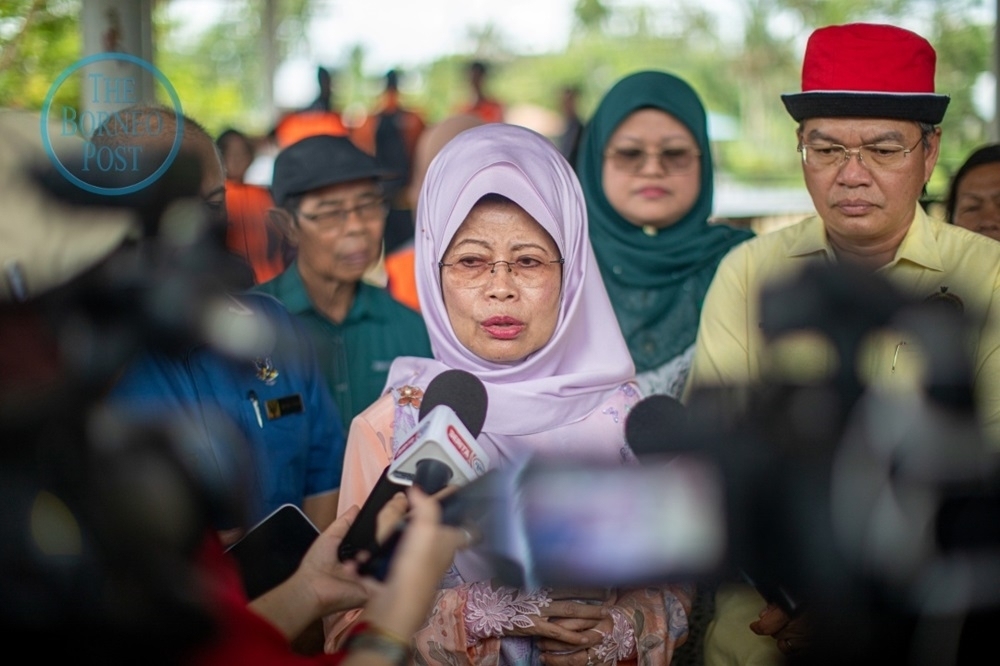
Minister of Welfare, Community Wellbeing, Women, Family and Childhood Development Datuk Seri Fatimah Abdullah said on Saturday that the decision followed alarming state statistics showing a steep rise in vaping, particularly among adolescents.
“In Sarawak, we cannot ignore the escalating trend of vape use, especially among adolescents,” she said, adding that the phased ban “reflects a firm commitment to protecting the health and future of young people.”
Fatimah revealed that police records since 2023 show nine cases and 15 arrests involving vape liquids containing prohibited substances, with 209.55ml of liquid seized. The Sarawak State Education Department reported 1,075 students involved in vaping, highlighting growing concerns in schools.
According to the National Health and Morbidity Survey, Sarawak recorded the highest adolescent vape rate in Malaysia in 2022, with an estimated 39,608 users aged 13 to 17, up from 23,733 in 2017.
Fatimah noted that Sarawak remains committed to combating drug and substance abuse through the One Stop Committee on Drugs and Substance Abuse (OSC), established in 2018 to coordinate interventions across state, district, and community levels.
She said Sarawak’s approach is grounded in the belief that recovery is a continuous process, with treatment and rehabilitation initiatives forming a continuum of care — from prevention to reintegration.
The minister added that ongoing efforts include Mapping Recovery Communities to manage recovery resources online, and the expansion of One Stop Centres for Addiction Services in 25 clinics led by the Sarawak State Health Department.
Capacity building and certification programs are also being developed to train recovery coaches and strengthen NGO and OSC members’ intervention skills. Preventive family programs include the launch of the Sarawak Family United initiative.
“These initiatives reflect a long-term commitment to building resilient, drug-free communities across Sarawak,” Fatimah said.
Image source: The Star
We welcome news tips, article submissions, interview requests, or comments on this piece.
Please contact us at info@2firsts.com, or reach out to Alan Zhao, CEO of 2Firsts, on LinkedIn
Notice
1. This article is intended solely for professional research purposes related to industry, technology, and policy. Any references to brands or products are made purely for objective description and do not constitute any form of endorsement, recommendation, or promotion by 2Firsts.
2. The use of nicotine-containing products — including, but not limited to, cigarettes, e-cigarettes, nicotine pouchand heated tobacco products — carries significant health risks. Users are responsible for complying with all applicable laws and regulations in their respective jurisdictions.
3. This article is not intended to serve as the basis for any investment decisions or financial advice. 2Firsts assumes no direct or indirect liability for any inaccuracies or errors in the content.
4. Access to this article is strictly prohibited for individuals below the legal age in their jurisdiction.
Copyright
This article is either an original work created by 2Firsts or a reproduction from third-party sources with proper attribution. All copyrights and usage rights belong to 2Firsts or the original content provider. Unauthorized reproduction, distribution, or any other form of unauthorized use by any individual or organization is strictly prohibited. Violators will be held legally accountable.
For copyright-related inquiries, please contact: info@2firsts.com
AI Assistance Disclaimer
This article may have been enhanced using AI tools to improve translation and editorial efficiency. However, due to technical limitations, inaccuracies may occur. Readers are encouraged to refer to the cited sources for the most accurate information.
We welcome any corrections or feedback. Please contact us at: info@2firsts.com