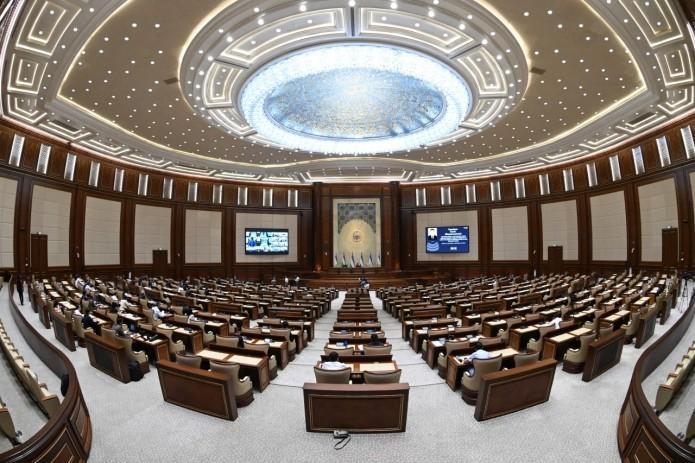
The 27th plenary session of the Senate discussed the "Restriction of the Promotion and Use of Alcohol and Tobacco Products Act.
The law in question includes regulations from the "Restriction on the Distribution and Use of Alcoholic and Tobacco Products Law" as well as the "Restriction on Smoking Water Pipes and E-cigarettes in Public Places Law". It is expected that this decision will render these regulations ineffective. During a plenary session, Senate members passed a resolution rejecting the law due to the need for clarification of its fundamental concepts, conflicting legal rules, and insufficient research on enforcement practices.
Several issues have been raised as the primary reasons for rejection.
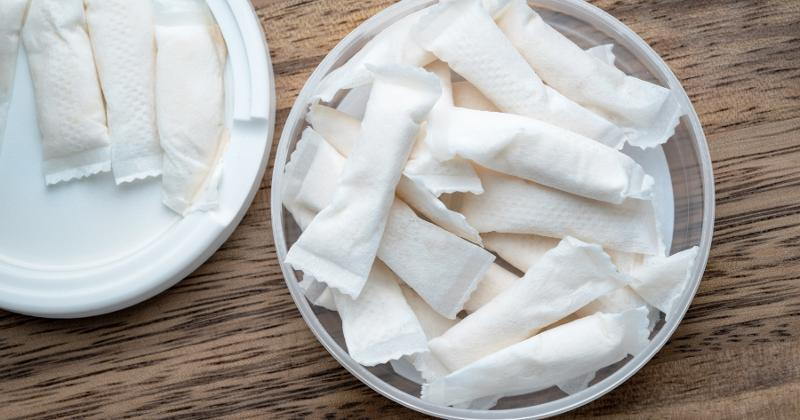
Therefore, it stipulates that advertising and promotional activities regarding the risks of alcohol and tobacco consumption should only be carried out among minors, and sales and consumption of these products are prohibited for those under 21 years of age. As a result, those aged 18 and above but under 21 are left in limbo according to this law. In addition, "nasvay", "tobacco liquid", and "nicotine liquid" are also included in the category of non-smoking tobacco products. At the same time, information about "choking hazards" is disclosed in a separate paragraph, but other new types of non-smoking tobacco products - "tobacco liquid" and "nicotine liquid" - are not disclosed, nor is their difference explained.
The law only specifies when advertising for natural Uzbekistani wines and sparkling wines is permitted. However, as of June 7, 2022, according to article 39 of the Advertising Law, beer advertising is also allowed, causing a conflict in regulations. It is emphasized that it is necessary to ensure consistency between the relevant provisions of this law and the Advertising Law.
Considering the significance and relevance of the law, the meeting noted that after addressing these deficiencies in the Legislative Yuan, the law will be reintroduced on the agenda of the next plenary session of the Senate.
This article includes excerpts or reproductions of content sourced from third-party information, whose copyright belongs to the original media and authors. If there is any infringement, please contact us for removal. Any unit or individual wishing to reproduce this content must contact the author and refrain from directly reproducing it.
Disclaimer
This article is provided solely for professional research, industry discussion, and informational purposes. Any references to brands, companies, products, technologies, or policies are made for factual reporting and analytical purposes only, and do not constitute endorsement, recommendation, promotion, or advertising by 2Firsts.
Nicotine-containing products, including but not limited to cigarettes, e-cigarettes, heated tobacco products, and nicotine pouches, carry significant health risks. Readers are responsible for complying with all applicable laws and regulations in their respective jurisdictions, including age restrictions and access limitations.
The information contained in this article should not be regarded as investment, legal, medical, regulatory, or commercial advice. While 2Firsts strives to ensure the accuracy and reliability of its content, it does not assume liability for any direct or indirect loss arising from errors, omissions, inaccuracies, or reliance on the information contained herein.
This article is not intended for individuals below the legal age for accessing tobacco or nicotine-related information in their jurisdiction.
Copyright Notice
This article is either original content produced by 2Firsts or content reproduced, translated, summarized, or adapted from third-party sources with attribution where applicable. The intellectual property rights of the original content remain with 2Firsts or the respective original rights holders.
No individual or organization may copy, reproduce, distribute, republish, modify, translate, or otherwise use this content without prior authorization. Any unauthorized use may result in legal action.
For copyright-related inquiries, corrections, or removal requests, please contact: info@2firsts.com.
AI-Assisted Translation and Editing Notice
Portions of this article may have been translated, edited, or reviewed with the assistance of artificial intelligence tools to improve efficiency and readability. Due to the limitations of AI-assisted translation and editing, discrepancies, omissions, or inaccuracies may exist when compared with the original source.
Where applicable, readers are advised to refer to the original source for the most complete and accurate information. If you identify any errors or believe that any content infringes upon your rights, please contact us at info@2firsts.com, and we will review and address the matter promptly.