According to a report from the Associated Press on June 12th, during a hearing held by the Senate Judiciary Committee in the United States on Wednesday, senators harshly criticized senior officials from the health and law enforcement departments for their failure to effectively combat the problem of illegal e-cigarettes in the United States, in an effort to combat the epidemic of youth e-cigarette use.
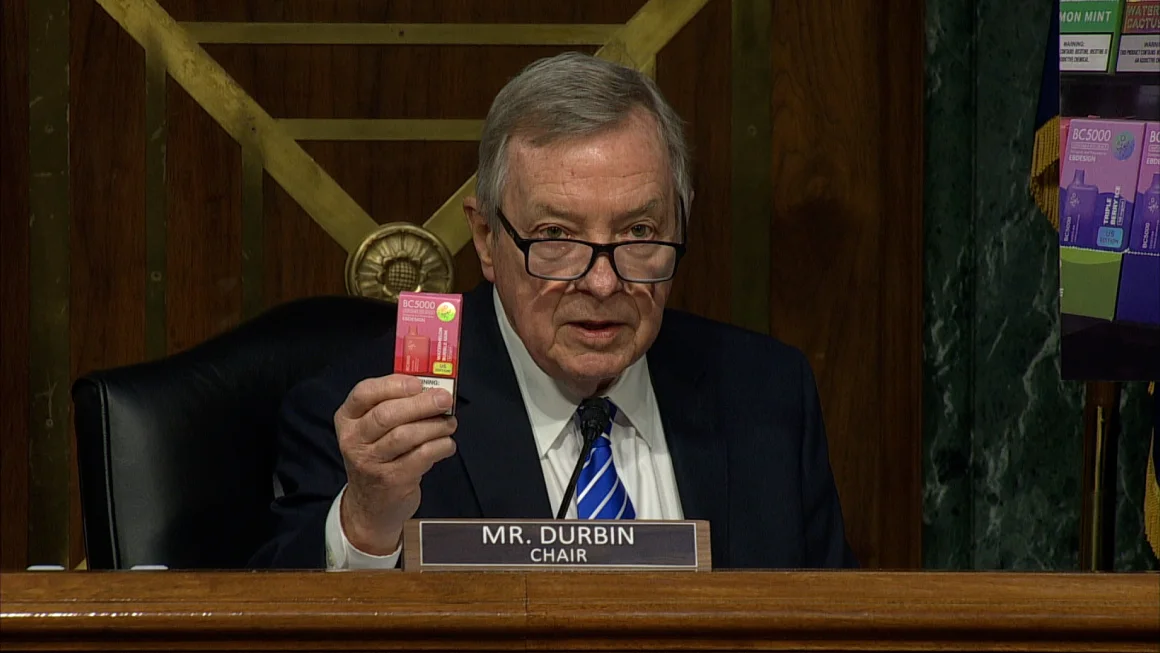
The hearing will be chaired by Senator Dick Durbin, who has long been opposed to e-cigarette products. During the hearing, Democratic and Republican members of the Senate Judiciary Committee expressed their frustration and anger at officials from the Food and Drug Administration (FDA) and the Department of Justice for their efforts to regulate the vaping industry.

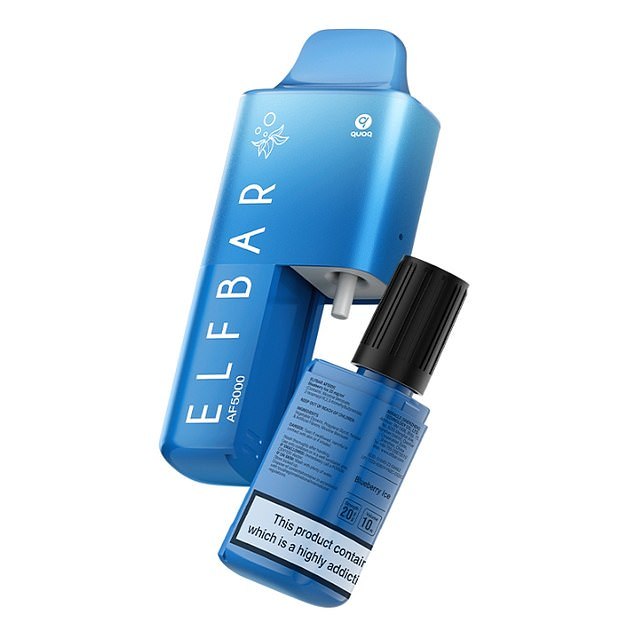
Among them, e-cigarette brands like ELFBAR have become the most popular choice among American youth who use e-cigarettes.
Senate Judiciary Committee Chairman and Illinois Democrat Dick Durbin stated,
I just don't understand how the FDA and Justice Department allow thousands of products to remain on store shelves, even when manufacturers have not obtained authorization and in some cases have not even submitted applications.
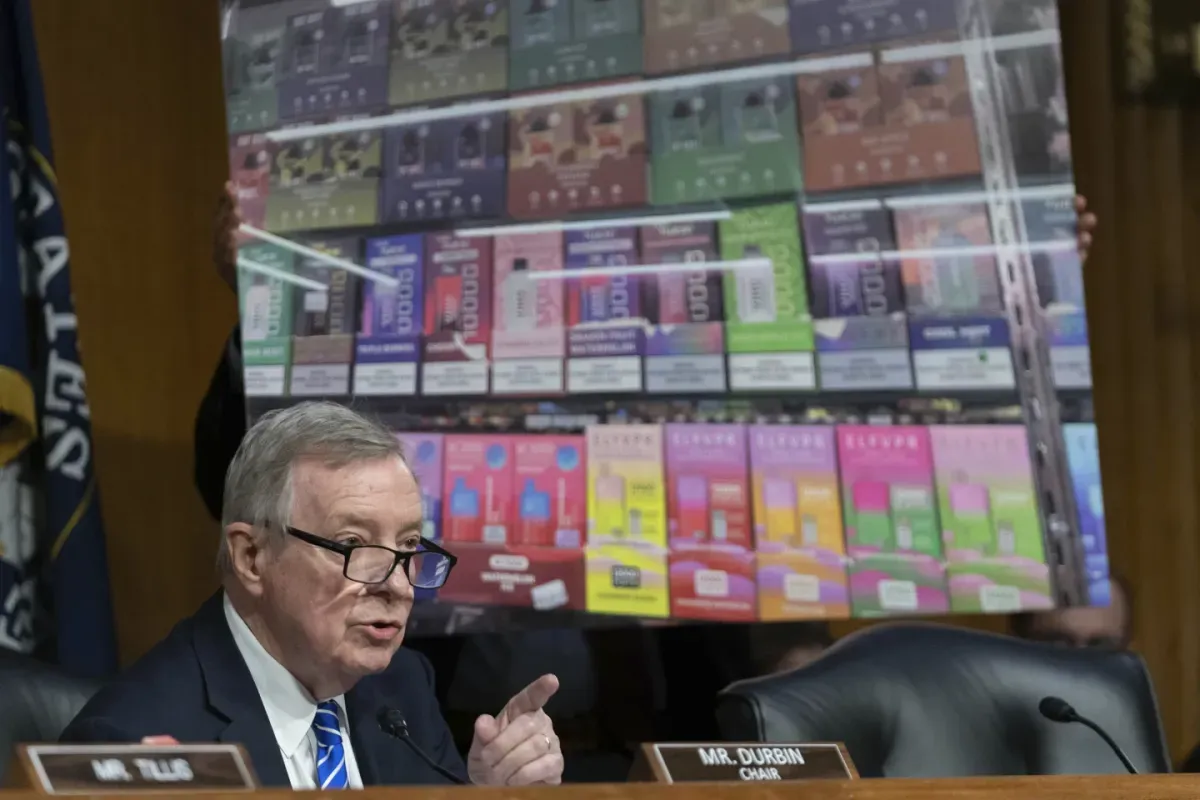
He referenced a photo of a colorful inventory of e-cigarettes, including Dragon Fruit and Watermelon Bubblegum flavors, sold at a store near the FDA headquarters in Silver Spring, Maryland.
These illegal products, based on their taste, are clearly designed for children, yet are being sold under the shadow of the FDA building. How can such a thing be allowed to happen?
You have completely failed to fulfill your responsibilities.
Deputy Bureau Chief Brian King of the FDA Tobacco Products Center told DeBine.
Brian King defended this by stating that the FDA has issued warning letters and civil fines to manufacturers and retailers, and has collaborated with other agencies such as consumers and border protection to seize illegal products. In addition, the approval process has slowed down as a result of a backlog of applications for approval submitted by e-cigarette companies, and regulatory agencies have a legal obligation to review these applications.
Due to the large quantity of the product, we must take time to conduct a scientific and legal review of 27 million applications.
The FDA has approved a few e-cigarettes as alternatives for adult smokers. All other products on the market, including major sellers like Juul, are awaiting review or are considered illegal by regulatory agencies. A industry lobbyist told the committee that the FDA has rejected over 99% of companies' applications, leading to an unsustainable market situation.
The FDA and Department of Justice have banned approximately six e-cigarette companies from selling products that appeal to minors, but more manufacturers continue to release new products, particularly disposable e-cigarettes.
Assistant Attorney General Arun Rao informed the Senator that regulators at the Department of Justice and other agencies have deemed the issue of e-cigarettes a "top priority" across the entire administration. In response, Senator Durbin stated, "I don't want empty words, I want action.
On Monday (10th), the FDA and the Department of Justice announced the establishment of a new task force to combat illegal e-cigarette sales.
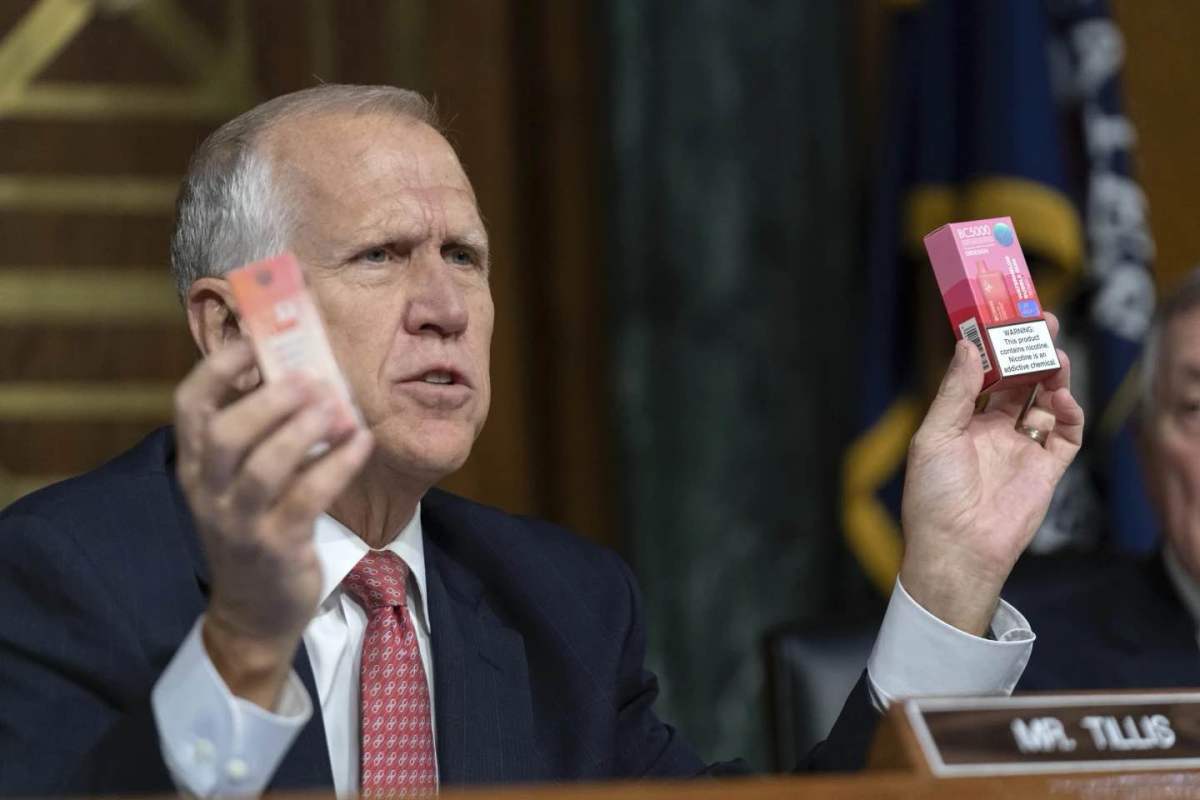
Republican Senator Thom Tillis referred to the timing of the notice as a "political stunt" and criticized other federal agencies for not participating in the initiative, including Customs and Border Protection.
If the time it takes to establish a special working group is not enough to show how seriously FDA is about cracking down on the proliferation of illegal e-cigarettes, then excluding the U.S. Customs and Border Protection from the special working group will further illustrate this point.
He urged officials to focus law enforcement efforts on Chinese brands rather than large American manufacturers like Reynolds Tobacco.
According to retail sales data analyzed by Goldman Sachs, the two top-selling disposable products - Breeze and ELFBAR, had sales exceeding $500 million last year. Despite both brands being regulated by the FDA, they continue to be widely sold in the market, with some brands even rebranding with new names, logos, and flavors. Last year, over half of the 2.8 million American youth and young adults who use e-cigarettes reported using ELFBAR.
Brian Kim pointed out that products like ELFBAR cannot be legally sold in China, as the Chinese government has already banned non-tobacco flavored e-cigarettes.
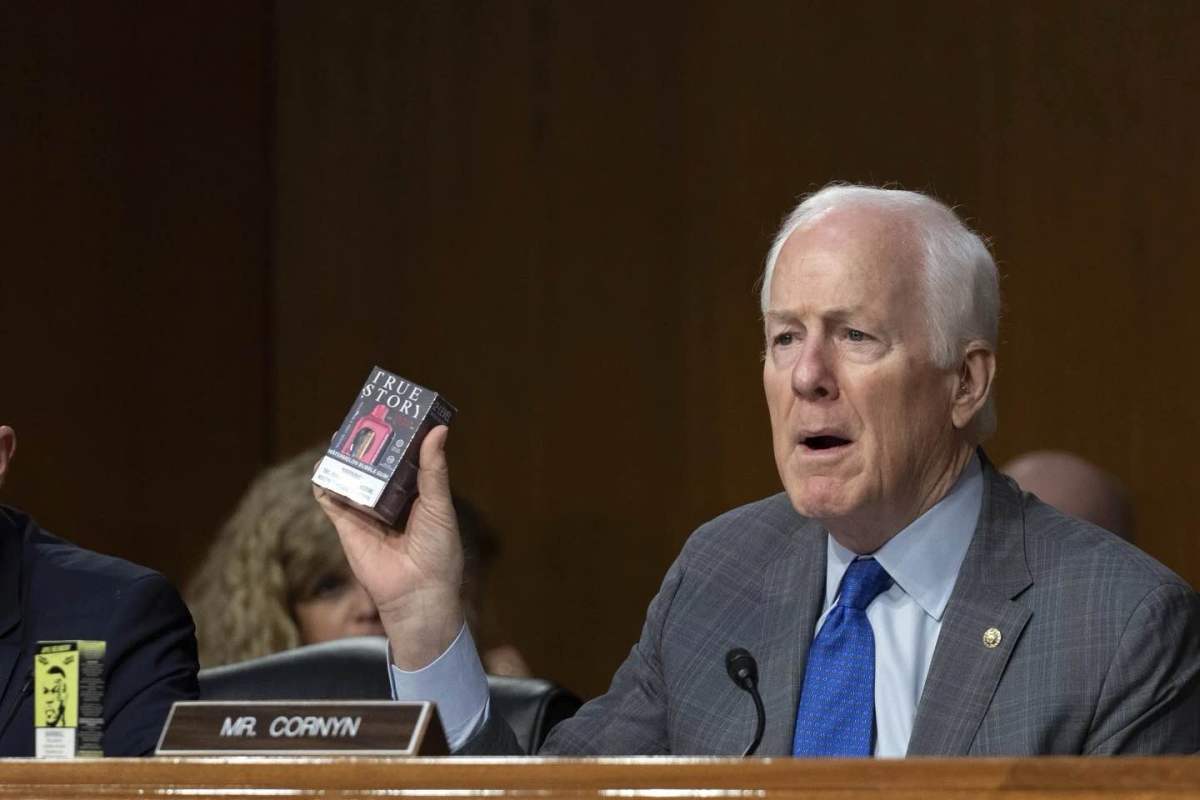
In response, Texas Senator John Cornyn has vowed to introduce legislation to address what he describes as an "outrageous and unacceptable situation.
Click on the text or image to read: ELFBAR's new product AF5000 accused of circumventing UK e-cigarette regulations, EU issues "danger warning" to member states.
We welcome news tips, article submissions, interview requests, or comments on this piece.
Please contact us at info@2firsts.com, or reach out to Alan Zhao, CEO of 2Firsts, on LinkedIn
Notice
1. This article is intended solely for professional research purposes related to industry, technology, and policy. Any references to brands or products are made purely for objective description and do not constitute any form of endorsement, recommendation, or promotion by 2Firsts.
2. The use of nicotine-containing products — including, but not limited to, cigarettes, e-cigarettes, nicotine pouchand heated tobacco products — carries significant health risks. Users are responsible for complying with all applicable laws and regulations in their respective jurisdictions.
3. This article is not intended to serve as the basis for any investment decisions or financial advice. 2Firsts assumes no direct or indirect liability for any inaccuracies or errors in the content.
4. Access to this article is strictly prohibited for individuals below the legal age in their jurisdiction.
Copyright
This article is either an original work created by 2Firsts or a reproduction from third-party sources with proper attribution. All copyrights and usage rights belong to 2Firsts or the original content provider. Unauthorized reproduction, distribution, or any other form of unauthorized use by any individual or organization is strictly prohibited. Violators will be held legally accountable.
For copyright-related inquiries, please contact: info@2firsts.com
AI Assistance Disclaimer
This article may have been enhanced using AI tools to improve translation and editorial efficiency. However, due to technical limitations, inaccuracies may occur. Readers are encouraged to refer to the cited sources for the most accurate information.
We welcome any corrections or feedback. Please contact us at: info@2firsts.com