Key Points:
Singapore is intensifying its crackdown on illegal “Kpod” e-cigarettes containing etomidate and other synthetic cannabinoids, with over 100 people under investigation.
“Kpod” e-cigarettes contain the medical-grade sedative etomidate, which can cause severe health problems such as muscle spasms and seizures.
The first case involving the manufacture of illegal e-cigarettes containing etomidate has been prosecuted, highlighting strong enforcement measures.
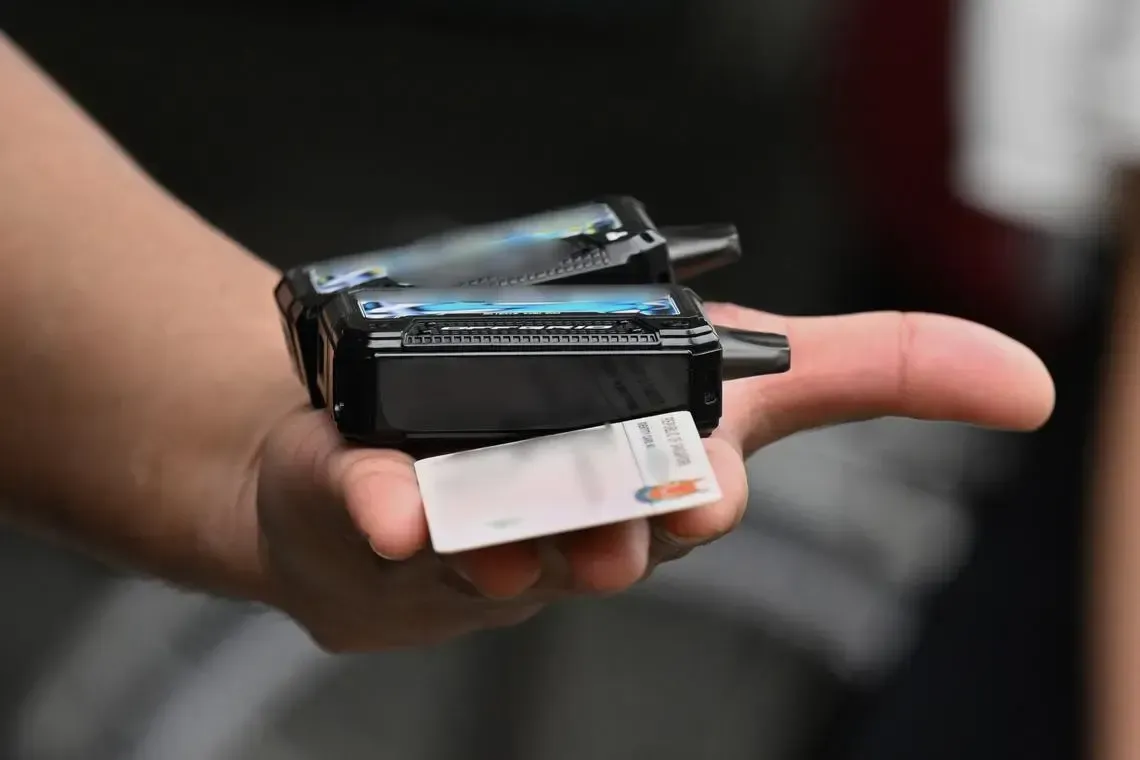
According to an August 14 archyworldys report, Singapore authorities are increasing efforts to combat the sale and use of illegal e-cigarettes, particularly those containing etomidate and other synthetic cannabinoids (commonly referred to as “Kpods”). Currently, investigations involving more than 100 individuals are underway, reflecting the government’s escalating response to this growing public health concern.
In recent months, cases involving “Kpod” e-cigarettes have surged, prompting the Ministry of Health (MOH) and the Health Sciences Authority (HSA) to take swift, coordinated action. These e-cigarettes are often deceptively marketed and contain etomidate — a potent sedative typically used in medical procedures. Illegally adding this substance to e-cigarette products poses serious health risks, including muscle spasms, seizures, and potentially life-threatening complications.
The presence of etomidate in e-cigarettes is particularly concerning due to its unpredictable effects and the lack of quality control in production. Unlike regulated nicotine e-cigarettes, these illegal products are manufactured in clandestine facilities that often disregard safety standards. This has led to a surge in emergency room admissions, with users experiencing a range of adverse reactions.
The problem extends beyond the consumption of “Kpod” e-cigarettes. Investigations have uncovered an organized network involved in the trafficking and distribution of these dangerous products. Authorities are actively working to dismantle the network and prosecute those responsible. A resident in Yishun recently reported being offered a job in a shopping mall to produce “Kpod” e-cigarettes for only S$10 per unit — a sign of the scale of the illegal trade and the exploitation involved.
In the first successful prosecution related to the manufacture of illegal e-cigarettes containing etomidate, a Singaporean man was convicted for his role in producing cartridges laced with the drug. This case demonstrates the seriousness with which authorities are treating such offenses and serves as a warning to others involved in the illicit trade.
We welcome news tips, article submissions, interview requests, or comments on this piece.
Please contact us at info@2firsts.com, or reach out to Alan Zhao, CEO of 2Firsts, on LinkedIn
Notice
1. This article is intended solely for professional research purposes related to industry, technology, and policy. Any references to brands or products are made purely for objective description and do not constitute any form of endorsement, recommendation, or promotion by 2Firsts.
2. The use of nicotine-containing products — including, but not limited to, cigarettes, e-cigarettes, nicotine pouchand heated tobacco products — carries significant health risks. Users are responsible for complying with all applicable laws and regulations in their respective jurisdictions.
3. This article is not intended to serve as the basis for any investment decisions or financial advice. 2Firsts assumes no direct or indirect liability for any inaccuracies or errors in the content.
4. Access to this article is strictly prohibited for individuals below the legal age in their jurisdiction.
Copyright
This article is either an original work created by 2Firsts or a reproduction from third-party sources with proper attribution. All copyrights and usage rights belong to 2Firsts or the original content provider. Unauthorized reproduction, distribution, or any other form of unauthorized use by any individual or organization is strictly prohibited. Violators will be held legally accountable.
For copyright-related inquiries, please contact: info@2firsts.com
AI Assistance Disclaimer
This article may have been enhanced using AI tools to improve translation and editorial efficiency. However, due to technical limitations, inaccuracies may occur. Readers are encouraged to refer to the cited sources for the most accurate information.
We welcome any corrections or feedback. Please contact us at: info@2firsts.com