Key points:
·Singapore has implemented stricter penalties for e-cigarettes, including higher fines, longer prison sentences, and caning.
·The new regulations, effective September 1st, will apply to both regular e-cigarettes and those containing nicotine salts.
·The government has also increased public education and enforcement efforts, including patrols and random checks.
·These measures apply to all residents and tourists, with foreigners possibly facing deportation.
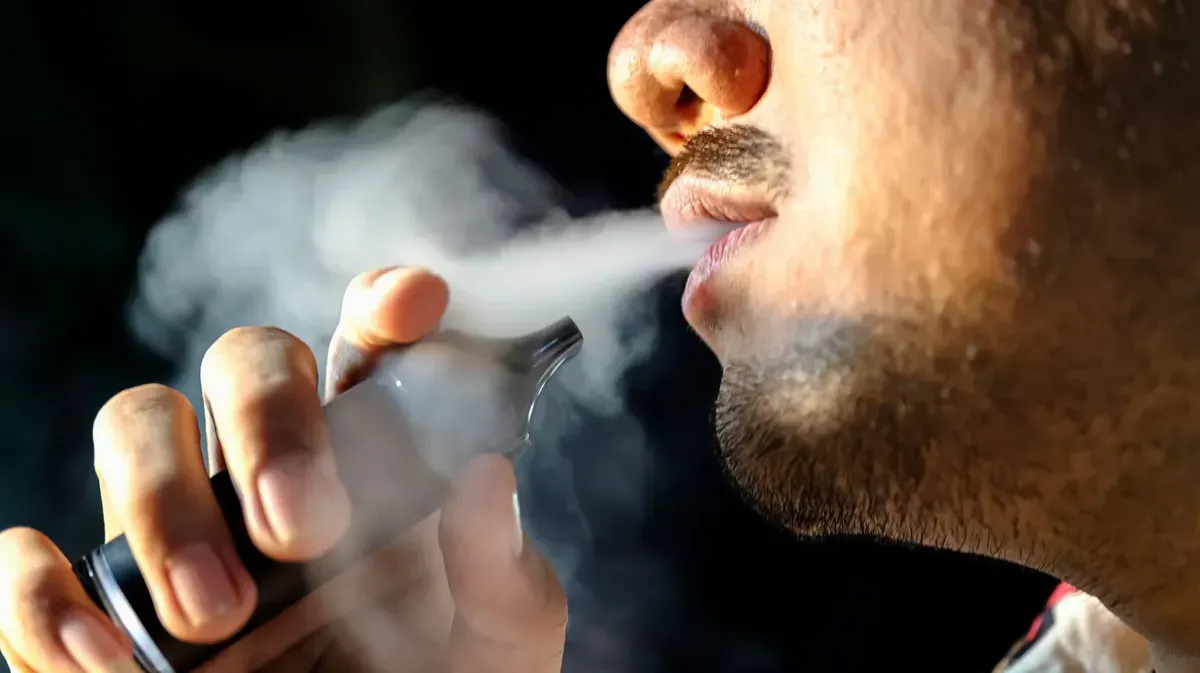
According to a report by the BBC on August 28th, 2025, Singapore authorities announced that they will impose stricter penalties on e-cigarette users in order to combat the increasingly popular use of drug-containing e-cigarettes in the country.
These measures include higher fines, longer prison sentences, and even corporal punishment. Foreigners may also be deported.
Despite being one of the first regions to ban e-cigarettes in 2018, the practice continues to persist in Singapore. In recent months, the country has seen an increasing popularity of e-cigarettes containing nicotine salts.
This has sparked widespread concern in Singapore, which has some of the strictest drug laws in the world.
In recent months, authorities have acknowledged the increasing popularity of e-cigarettes, particularly a brand known as Kpods, which is gaining more recognition in Singapore.
In July, a random sampling test conducted on 100 confiscated e-cigarettes found that one-third of them contained ethyl maltol.
Videos of young people exhibiting unusual behavior after vaping e-cigarettes in public places have been circulating widely on social media, sparking concerns among Singaporeans. The majority of the public in Singapore strongly support the strict penalties imposed by the country on drug trafficking and use.
Singapore's Minister of Health, Ong Ye Kung, has expressed the need for stricter laws as e-cigarettes have become a gateway to serious drug abuse and are being used as tools for drug trafficking.
The government has increased penalties for e-cigarettes and reclassified nicotine dependence medications as Class C controlled substances for a period of six months. The new regulations will take effect on September 1st.
Those found using or in possession of e-cigarettes (even regular ones) will face fines starting from 500 Singapore dollars (approximately 288 pounds; 390 dollars) and mandatory rehabilitation treatment mandated by the government. For those found in possession of e-cigarettes containing nicotine, the punishment will be more severe.
Suppliers of e-cigarettes containing drugs will face up to 20 years in prison and 15 strokes of the cane.
Foreigners working in Singapore may not only face the same penalties, but also risk having their residence and work permits revoked, and may be deported and banned from re-entering the country.
These regulations also apply to tourists. According to the BBC, Changi Airport in Singapore will set up signs to remind incoming visitors of the e-cigarette ban and will also install e-cigarette disposal bins to allow users to discard their devices without facing penalties.
These regulations are temporary measures put in place by the government to address the delivery of nicotine and any other drugs through e-cigarettes as they draft new laws.
Apart from these measures, Singapore also launched a large-scale public health campaign and enforcement plan.
In recent weeks, the country has been blanketed with government advertisements urging people to stop using e-cigarettes on public buses, trains, and in public places, while local media is filled with reports on the issue.
Community centers and universities have also set up e-cigarette disposal bins, and schools have launched anti-e-cigarette health education programs.
The authorities have also initiated patrols at train and bus terminals, as well as parks, where officials can conduct random inspections and search the bags of the public.
Due to many e-cigarettes in Singapore originating from neighboring countries such as Malaysia and Indonesia, authorities have stepped up inspections at land borders, airports, and other entry points.
The crackdown in Singapore comes in light of other countries taking stricter measures to curb the use of e-cigarettes among children and young people.
In June 2025, the UK banned the sale of disposable e-cigarettes, following a similar measure taken by Belgium in January.
Australia has banned e-cigarettes in some form since 2023, starting with the prohibition of non-prescription e-cigarettes, followed by disposable e-cigarettes.
We welcome news tips, article submissions, interview requests, or comments on this piece.
Please contact us at info@2firsts.com, or reach out to Alan Zhao, CEO of 2Firsts, on LinkedIn
Notice
1. This article is intended solely for professional research purposes related to industry, technology, and policy. Any references to brands or products are made purely for objective description and do not constitute any form of endorsement, recommendation, or promotion by 2Firsts.
2. The use of nicotine-containing products — including, but not limited to, cigarettes, e-cigarettes, nicotine pouchand heated tobacco products — carries significant health risks. Users are responsible for complying with all applicable laws and regulations in their respective jurisdictions.
3. This article is not intended to serve as the basis for any investment decisions or financial advice. 2Firsts assumes no direct or indirect liability for any inaccuracies or errors in the content.
4. Access to this article is strictly prohibited for individuals below the legal age in their jurisdiction.
Copyright
This article is either an original work created by 2Firsts or a reproduction from third-party sources with proper attribution. All copyrights and usage rights belong to 2Firsts or the original content provider. Unauthorized reproduction, distribution, or any other form of unauthorized use by any individual or organization is strictly prohibited. Violators will be held legally accountable.
For copyright-related inquiries, please contact: info@2firsts.com
AI Assistance Disclaimer
This article may have been enhanced using AI tools to improve translation and editorial efficiency. However, due to technical limitations, inaccuracies may occur. Readers are encouraged to refer to the cited sources for the most accurate information.
We welcome any corrections or feedback. Please contact us at: info@2firsts.com