Key Points
- ATF joined the Trade Fraud Task Force on September 23 to help target illegal, misdeclared and smuggled vape and tobacco products.
- ATF enforces PACT Act registration, reporting, shipping and recordkeeping requirements for interstate ENDS sales and maintains the PACT Act non-compliant list.
- ATF Director Rob Cekada specifically referenced “illicit Chinese vapes,” although the announcement did not identify specific brands, companies or new enforcement cases.
- ATF's move comes as CBP separately considers collecting foreign export documentation to increase visibility into U.S. import supply chains.
2Firsts
September 28, 2026
The U.S. Bureau of Alcohol, Tobacco, Firearms and Explosives said on September 23 that it has joined the interagency Trade Fraud Task Force to help combat illegal, misdeclared and smuggled vape, nicotine and tobacco products entering U.S. commerce.
ATF said its participation will allow the task force to use the agency's statutory authority under the Prevent All Cigarette Trafficking Act, or PACT Act, to trace illicit tobacco and vape products from U.S. points of entry through domestic trafficking and distribution networks.
ATF Brings PACT Act Authority Into Joint Enforcement
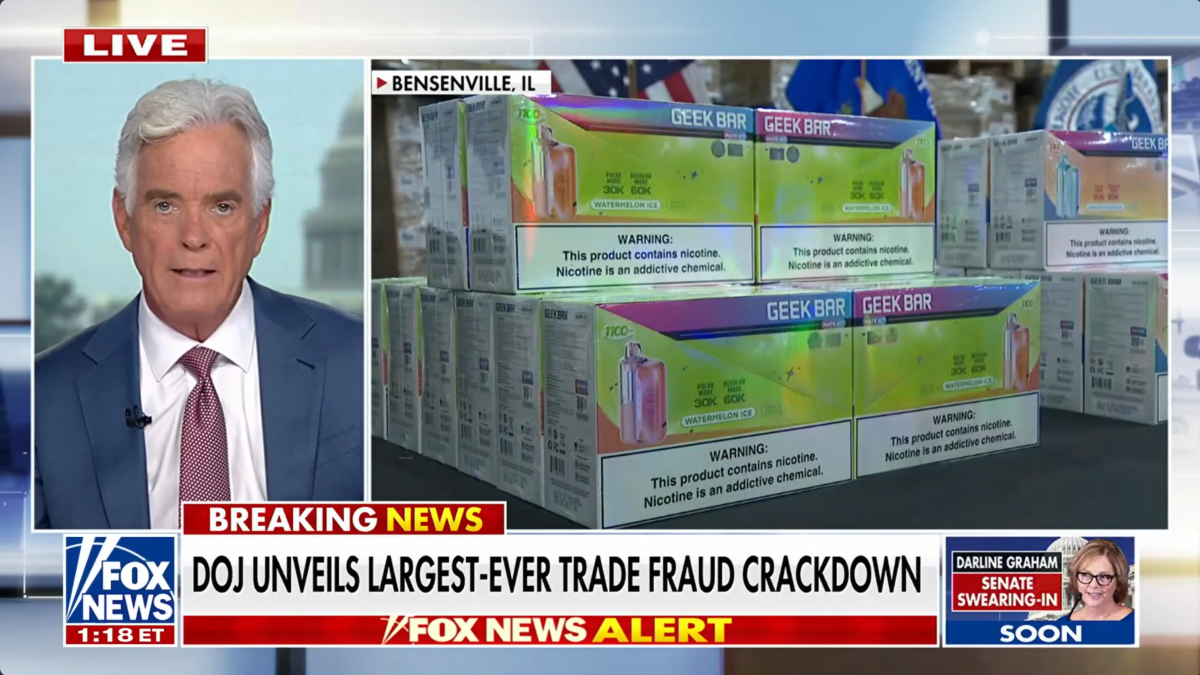
The Trade Fraud Task Force was launched in August 2025 by the Department of Justice and Homeland Security Investigations to identify and dismantle schemes involving false customs declarations, mislabeled shipments and other practices used to evade U.S. import requirements.
ATF's participation adds its enforcement authority over interstate sales of tobacco products and electronic nicotine delivery systems, or ENDS.
Congress enacted the PACT Act in 2010 and expanded its coverage to ENDS in 2021.
Businesses that sell or advertise covered products in interstate commerce are required to register with ATF and applicable state or local tobacco-tax authorities.
Applicable sellers must also submit monthly shipment reports to state or local tax administrators in jurisdictions where covered products were shipped.
Delivery sellers are subject to applicable labeling, shipping, recordkeeping and age-verification requirements, as well as state and local licensing, regulatory and tax laws.
ATF also maintains a PACT Act non-compliant list. Carriers and other delivery services covered by the law are prohibited from delivering covered products on behalf of entities placed on the list.
ATF also has authority to inspect relevant records and refer violations for criminal prosecution.
Enforcement Reaches Domestic Distribution Networks
ATF said its participation will strengthen the task force's ability to trace illicit vape and tobacco products from points of entry into domestic trafficking networks.
The Trade Fraud Task Force's mandate covers importers, customs brokers, downstream distributors, commercial end-users and other supply-chain participants. Its enforcement priorities include false declarations, transshipment, mislabeling and duty evasion.
The Justice Department said in July that the task force had surpassed $1 billion in civil and criminal recoveries, penalties, forfeitures and publicly charged losses less than a year after its launch.
The figure covers trade-fraud matters across industries and is not specific to illicit vape enforcement.
ATF's participation brings its registration, reporting, shipping, delivery and record-inspection authority for ENDS into the task force's enforcement framework.
ATF Director References 'Illicit Chinese Vapes'
ATF Director Rob Cekada said the joint effort would target criminal networks profiting from trade fraud and specifically referenced “illicit Chinese vapes” among the products the agency is seeking to remove from the U.S. market.
The September 23 announcement did not identify individual Chinese manufacturers, vape brands, importers or distributors, and it did not announce a new seizure or prosecution linked directly to ATF joining the task force.
ATF also cited industry estimates indicating that unauthorized products account for a majority of U.S. e-cigarette sales, with most manufactured overseas and entering domestic distribution chains.
The agency did not identify the source or provide a specific percentage for those estimates in its announcement.
CBP Is Also Considering Broader Import Documentation
ATF's announcement comes as U.S. Customs and Border Protection separately considers collecting more foreign export and supply-chain documentation.
CBP issued an advance notice of proposed rulemaking on September 2 considering requirements that could include foreign export documentation submitted by exporters to customs authorities in their home countries, along with measures to collect more information on parties involved in U.S. imports and trace imported-goods supply chains.
CBP said the proposal is intended to improve its ability to identify illicit imports, particularly goods transshipped to evade U.S. customs and trade requirements.
The proposal remains under consultation and has not been adopted as a final rule.
China Customs data previously analyzed by 2Firsts showed that China exported about $1.98 billion of vape and related products to the U.S. during the first seven months of 2026, up 8.4% year over year. July exports totaled about $404.2 million, up 53.5%.
The Chinese customs data reflect declared exports and do not indicate whether individual products have FDA marketing authorization.
ATF and FDA Have Separate Regulatory Roles
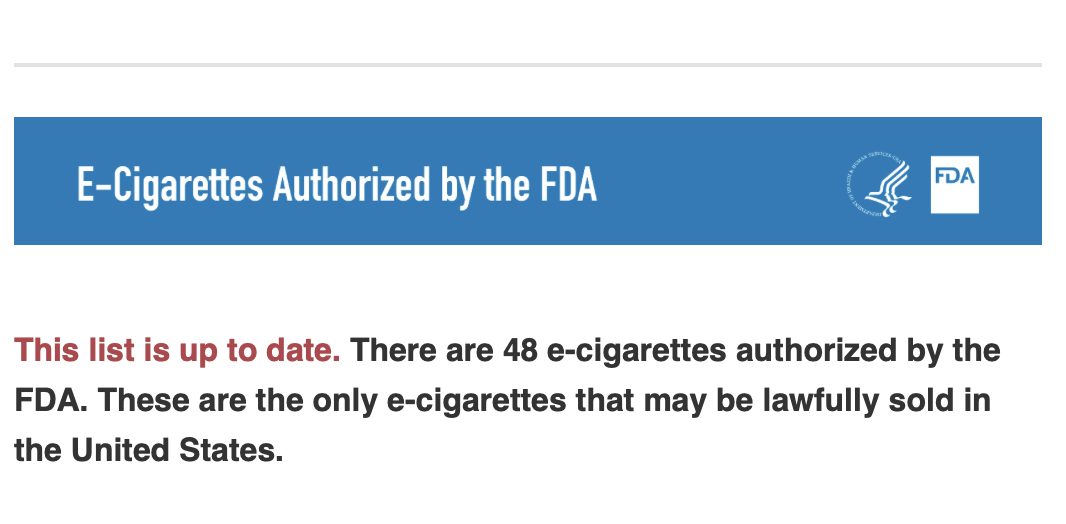
ATF's participation in the Trade Fraud Task Force does not change the Food and Drug Administration's responsibility for tobacco-product market authorization.
FDA oversees marketing authorization and related tobacco-product regulation.
ATF enforces PACT Act requirements covering registration, reporting, shipping, delivery and recordkeeping for interstate ENDS sales, while the Trade Fraud Task Force investigates false import declarations, mislabeling, transshipment, duty evasion and other forms of trade fraud.
ATF's entry brings those domestic shipping and distribution authorities into the task force's joint enforcement work.
Follow 2Firsts for updates on U.S. vape regulation, cross-border trade and supply-chain enforcement.
Cover Image generated by AI