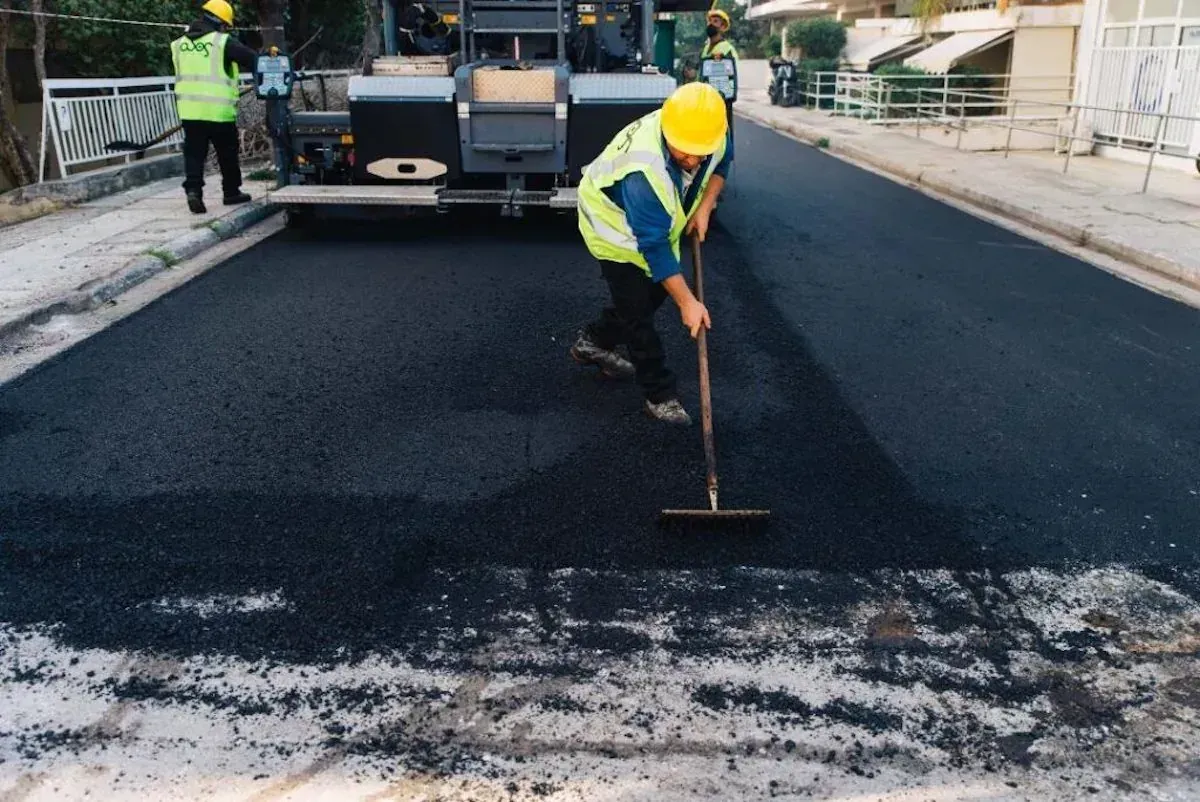
According to Slovak media outlet Ciclovivo, the waste management company Odvoz a Likvidácia Odpadu (OLO) in the capital city of Bratislava has proposed an innovative solution to address the pollution caused by cigarette butts in the ocean. The company plans to convert these cigarette butts into asphalt for road construction.
The city is preparing to set up dedicated collectors in public events to collect cigarette butts. Martina Čechová, OLO's Circular Economy Manager, stated, "If participants of festivals, competitions, exhibitions, or other city events could dispose of cigarette butts in the bins, it would not only contribute to environmental cleanliness but also enhance the value of recycling this waste.
The municipal government of the city will collaborate with two companies, SPAK-EKO and EcoButt, to transform collected waste materials into road asphalt. This will be achieved by incorporating cigarette butt filters as an additive in the production of asphalt mixtures.
The EcoButt website explains that the idea behind it originated from a research study published in Australia in 2017, which discussed the use of cigarette butt filter fibers in the construction industry. In 2019, EcoButt partnered with an authorized laboratory to release a research report on the physical and mechanical properties of asphalt made from cigarette butt waste. The results showed that using cigarette butt filters as an additive does not affect its properties.
In addition, EcoButt has developed cellulose acetate fiber particles as a substitute for ordinary cellulose particles. This material does not require the use of wood but is made from discarded cigarette butts. This not only avoids the use of wood from forests but also turns a waste product into a valuable resource. The Bratislava City Council also hopes that this approach will make the streets cleaner.
EcoButt company stated that research shows that a single cigarette butt can contaminate up to 5 liters of water, posing a hazard to life. The company's services include the collection of cigarette butts, the establishment of dedicated trash bins, and the conversion of materials into asphalt, among various other aspects.
Previously, containers specifically for collecting cigarette butts have been introduced at popular artisan Christmas markets in Europe, allowing for the disposal of both traditional and e-cigarette butts. The company has even created a demonstration project, utilizing cigarette butt asphalt to pave a road in Žiar nad Hronom. While the specific details of this road have not been made public, the inclusion of the capital suggests that projects using cigarette butt-derived asphalt hold substantial potential.
We welcome news tips, article submissions, interview requests, or comments on this piece.
Please contact us at info@2firsts.com, or reach out to Alan Zhao, CEO of 2Firsts, on LinkedIn
Notice
1. This article is intended solely for professional research purposes related to industry, technology, and policy. Any references to brands or products are made purely for objective description and do not constitute any form of endorsement, recommendation, or promotion by 2Firsts.
2. The use of nicotine-containing products — including, but not limited to, cigarettes, e-cigarettes, nicotine pouchand heated tobacco products — carries significant health risks. Users are responsible for complying with all applicable laws and regulations in their respective jurisdictions.
3. This article is not intended to serve as the basis for any investment decisions or financial advice. 2Firsts assumes no direct or indirect liability for any inaccuracies or errors in the content.
4. Access to this article is strictly prohibited for individuals below the legal age in their jurisdiction.
Copyright
This article is either an original work created by 2Firsts or a reproduction from third-party sources with proper attribution. All copyrights and usage rights belong to 2Firsts or the original content provider. Unauthorized reproduction, distribution, or any other form of unauthorized use by any individual or organization is strictly prohibited. Violators will be held legally accountable.
For copyright-related inquiries, please contact: info@2firsts.com
AI Assistance Disclaimer
This article may have been enhanced using AI tools to improve translation and editorial efficiency. However, due to technical limitations, inaccuracies may occur. Readers are encouraged to refer to the cited sources for the most accurate information.
We welcome any corrections or feedback. Please contact us at: info@2firsts.com