Key Points:
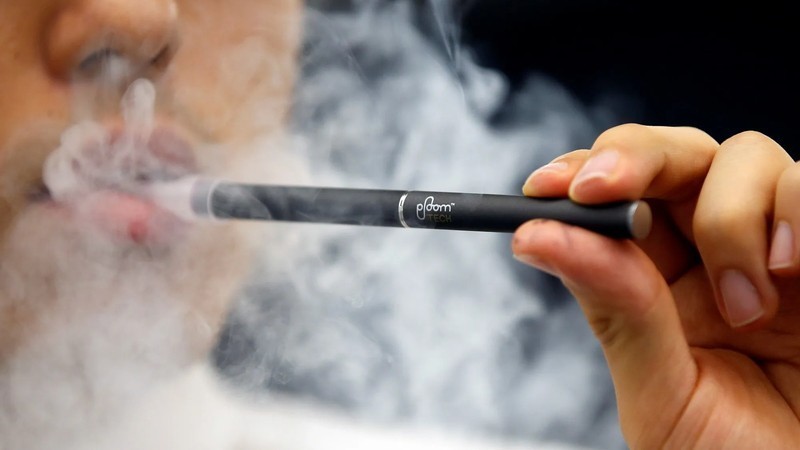
The state of South Carolina is considering establishing a separate tax rate for heated tobacco products, with a tax burden much lower than traditional cigarettes.
Public health organizations are concerned about the risk of youth exposure and oppose a lower tax rate, while industry supporters argue that heated tobacco products are a safer alternative.
PMI plans to sell the IQOS product in the state, targeting only adult smokers.
The bill has passed its initial review with only one opposing vote, but due to time constraints, the likelihood of it being passed in the near future is low. Currently, IQOS is only legally sold in Texas, with no sales record in South Carolina.
According to Live5news report on April 24th, the South Carolina legislature held a preliminary hearing on a bill (H.4303) regarding heated tobacco products, proposing a separate tax rate for these products much lower than that of traditional cigarettes. This has sparked opposition from public health groups, while also gaining support from some legislators and industry representatives.
Currently, only Philip Morris International's (PMI) heated tobacco product IQOS has obtained FDA authorization for sale in the market. Texas is the only state where this product can be purchased. South Carolina currently has no record of sales of such products, but supporters of the legislation believe market entry is imminent.
Beth Johnson, representative of the American Cancer Society, stated that even though South Carolina has not yet started selling heated tobacco products, their introduction is imminent and policy intervention should be carried out early to prevent youth exposure. The association opposes setting a tax rate lower than traditional cigarettes for heated tobacco products, emphasizing that price policy is an effective tool for reducing tobacco use.
Johnson told the lawmakers during the hearing that
"We hope that you treat these products equally to traditional cigarettes and tax them at the same rate."
Philip Morris International (PMI) representative Jake Jacobs stated at a hearing that they hope to sell heated tobacco products in convenience stores and retail outlets in the state in the future, promising to market exclusively to adult smokers.
However, the bill also faced criticism from some lawmakers. Republican representative Heather Crawford from Horie County expressed concerns about it.
"I am concerned that the way we are promoting this product to the public as being '95% safe' may inadvertently encourage a new generation to develop an unsafe habit."
The bill passed its initial vote in the subcommittee of the State House Appropriations Committee on April 23. With less than two weeks left in the 2025 legislative session, the likelihood of the bill reaching the governor's office during this session is low.
We welcome news tips, article submissions, interview requests, or comments on this piece.
Please contact us at info@2firsts.com, or reach out to Alan Zhao, CEO of 2Firsts, on LinkedIn
Notice
1. This article is intended solely for professional research purposes related to industry, technology, and policy. Any references to brands or products are made purely for objective description and do not constitute any form of endorsement, recommendation, or promotion by 2Firsts.
2. The use of nicotine-containing products — including, but not limited to, cigarettes, e-cigarettes, nicotine pouchand heated tobacco products — carries significant health risks. Users are responsible for complying with all applicable laws and regulations in their respective jurisdictions.
3. This article is not intended to serve as the basis for any investment decisions or financial advice. 2Firsts assumes no direct or indirect liability for any inaccuracies or errors in the content.
4. Access to this article is strictly prohibited for individuals below the legal age in their jurisdiction.
Copyright
This article is either an original work created by 2Firsts or a reproduction from third-party sources with proper attribution. All copyrights and usage rights belong to 2Firsts or the original content provider. Unauthorized reproduction, distribution, or any other form of unauthorized use by any individual or organization is strictly prohibited. Violators will be held legally accountable.
For copyright-related inquiries, please contact: info@2firsts.com
AI Assistance Disclaimer
This article may have been enhanced using AI tools to improve translation and editorial efficiency. However, due to technical limitations, inaccuracies may occur. Readers are encouraged to refer to the cited sources for the most accurate information.
We welcome any corrections or feedback. Please contact us at: info@2firsts.com