Electronic cigarettes or e-cigarettes have become a popular alternative for those who want to quit smoking. However, the truth is that both e-cigarettes and traditional cigarettes are harmful and can have an impact on various organs in the body, including the lungs. Unfortunately, many individuals misunderstand the risks associated with e-cigarettes and tend to ignore their potential impact on lung health.
E-cigarettes are devices that heat liquid into an aerosol for inhalation into the lungs. Unlike traditional cigarettes which produce smoke by burning tobacco, e-cigarette liquids contain various combinations of ingredients, including nicotine, other chemicals, flavorings, and toxins.
In the past 24 to 36 months, I have seen a significant increase in the number of patients using electronic cigarettes," reported Stephen Broderick, a lung cancer surgeon at Johns Hopkins.
The following are a series of effects of e-cigarettes on the lungs that one needs to be aware of.
Popped popcorn lung
Popcorn lung, also known as bronchiolitis obliterans (BO), is a rare respiratory disease caused by damage to the small airways in the lungs. The disease was first discovered in popcorn factory workers. The culprit was identified as diacetyl, a food additive used to simulate the flavor of butter in microwave popcorn.
Acetoin is commonly added to e-cigarette liquids to improve their flavor. Inhaling this substance can cause inflammation of the smallest airways in the lungs and lead to permanent scarring, thereby causing difficulty in breathing. There is currently no permanent treatment for Popcorn Lung, which presents with symptoms such as coughing, wheezing, chest pain, and breathing difficulties.
2. Lipoid Pneumonia.
Unlike typical pneumonia caused by infection, lipoid pneumonia occurs when fatty acids (components of fat) enter the lungs. Lipoid pneumonia related to vaping occurs when oily substances in e-cigarettes are inhaled, triggering inflammation in the lungs. Symptoms of lipoid pneumonia include chronic cough, difficulty breathing, and coughing up mucus mixed with blood or containing blood.
According to Broderick, "There is no effective treatment for lipoid pneumonia other than supportive care, as the lungs will heal on their own. The most important thing you can do is determine the cause." He furthered his statement.
3. Primary spontaneous pneumothorax
Primary spontaneous pneumothorax or lung collapse occurs when there is a hole in the lung through which oxygen escapes. This may be a result of injury, such as gunshot or stabbing, or the rupture of a small tear in a bubble at the top of the lung.
Smoking and vaping e-cigarettes often increase the risk of these fluid-filled sacs or bubbles bursting, ultimately leading to collapsed lungs.
We always ask them if they smoke, and they often say, 'No, I don't smoke. But I use e-cigarettes.' We now advise patients that if they want to avoid future lung collapse and surgery, they should avoid smoking or using e-cigarettes.
Signs of pulmonary collapse include severe pain in the chest or shoulder and difficulty breathing. Oxygen therapy and rest may be necessary preparations to cure collapsed lungs. However, more serious cases may require a chest tube to drain the leaked oxygen from the body cavity or surgery to repair a hole in the lungs.
Lung Cancer
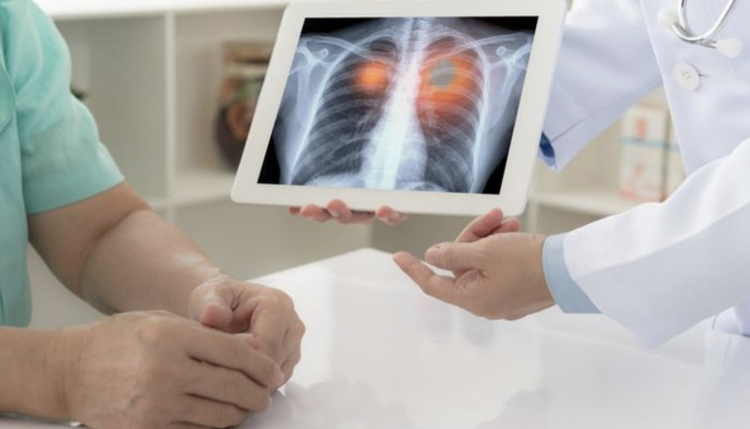
Electronic cigarettes may increase the risk of cancer due to the many chemicals they contain that can enter the lungs.
We know that smoking tobacco causes tiny particles to deposit deep in the bronchial tree and can lead to the development of cancer. Vaping may have a similar effect," said Broderick.
Disclaimer
This article is provided solely for professional research, industry discussion, and informational purposes. Any references to brands, companies, products, technologies, or policies are made for factual reporting and analytical purposes only, and do not constitute endorsement, recommendation, promotion, or advertising by 2Firsts.
Nicotine-containing products, including but not limited to cigarettes, e-cigarettes, heated tobacco products, and nicotine pouches, carry significant health risks. Readers are responsible for complying with all applicable laws and regulations in their respective jurisdictions, including age restrictions and access limitations.
The information contained in this article should not be regarded as investment, legal, medical, regulatory, or commercial advice. While 2Firsts strives to ensure the accuracy and reliability of its content, it does not assume liability for any direct or indirect loss arising from errors, omissions, inaccuracies, or reliance on the information contained herein.
This article is not intended for individuals below the legal age for accessing tobacco or nicotine-related information in their jurisdiction.
Copyright Notice
This article is either original content produced by 2Firsts or content reproduced, translated, summarized, or adapted from third-party sources with attribution where applicable. The intellectual property rights of the original content remain with 2Firsts or the respective original rights holders.
No individual or organization may copy, reproduce, distribute, republish, modify, translate, or otherwise use this content without prior authorization. Any unauthorized use may result in legal action.
For copyright-related inquiries, corrections, or removal requests, please contact: info@2firsts.com.
AI-Assisted Translation and Editing Notice
Portions of this article may have been translated, edited, or reviewed with the assistance of artificial intelligence tools to improve efficiency and readability. Due to the limitations of AI-assisted translation and editing, discrepancies, omissions, or inaccuracies may exist when compared with the original source.
Where applicable, readers are advised to refer to the original source for the most complete and accurate information. If you identify any errors or believe that any content infringes upon your rights, please contact us at info@2firsts.com, and we will review and address the matter promptly.