The Largest E-Cigarette Seizure in U.S. History: 4.7 Million Illegal E-Cigarettes Confiscated, With a Retail Value of Approximately $86.5 Million

Sep.11
The Largest E-Cigarette Seizure in U.S. History: 4.7 Million Illegal E-Cigarettes Confiscated, With a Retail Value of Approximately $86.5 Million
In a joint operation in Chicago, the U.S. FDA and CBP seized over 4 million illegal e-cigarettes, valued at approximately $86.5 million, marking the largest case in history. The operation is part of the U.S. strategy to combat youth vaping and has named 37 importers for accountability. So far this year, U.S. authorities have intercepted more than 6 million illegal e-cigarettes, with a total value exceeding $120 million.

Key Takeaways


Record Seizure: In a joint operation in Chicago, the FDA and CBP seized over 4 million unauthorized e-cigarettes, with a retail value exceeding $86 million — the largest case in U.S. history.


Operation Timeline: The enforcement action lasted one week and was coordinated across multiple federal agencies.


Enforcement Focus: Authorities targeted FDA authorization compliance, tax evasion, intellectual property violations, and hazardous materials labeling issues.


Strategic Significance: The operation is part of the FDA’s broader strategy to curb youth vaping, including preventing “port-hopping” loopholes, cleaning up distribution networks, strengthening parental education, and tightening retail oversight.


Year-to-Date Results: As of 2025, the FDA and CBP have intercepted more than 6 million illegal e-cigarettes, with a total value exceeding $120 million.


Aftermath: All seized products lack FDA marketing authorization and cannot be legally sold or distributed. The 37 importers involved have been publicly named and must respond within 30 days.


2Firsts, Sept. 10 —On September 10 local time, the U.S. Food and Drug Administration (FDA) and U.S. Customs and Border Protection (CBP) jointly announced that, during a weeklong enforcement operation, they seized more than 4 million units of unauthorized e-cigarette products with an estimated retail value exceeding $86 million (approximately 627 million RMB). This marks the largest seizure of its kind in U.S. history. The operation, conducted in Chicago, was aimed at inspecting incoming shipments and preventing illegal e-cigarettes from entering the U.S. market.


The Largest E-Cigarette Seizure in U.S. History: 4.7 Million Illegal E-Cigarettes Confiscated, With a Retail Value of Approximately $86.5 Million
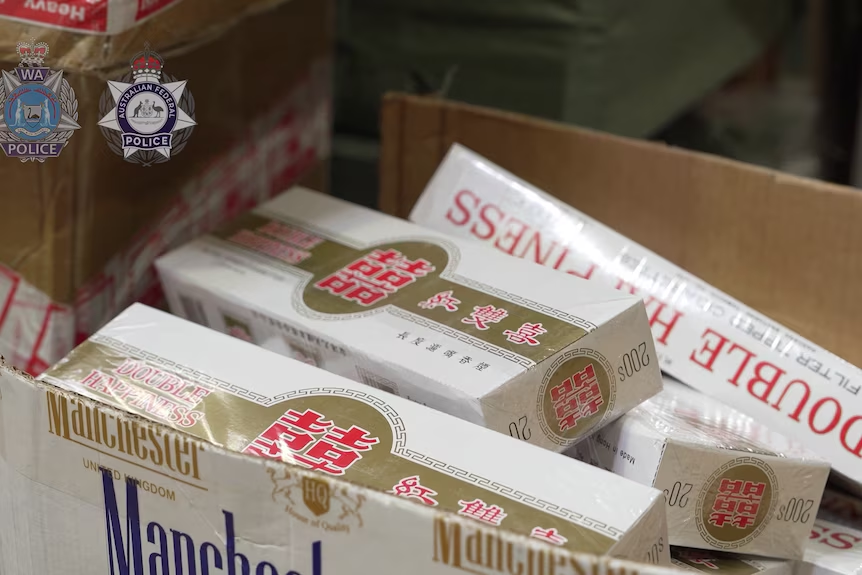
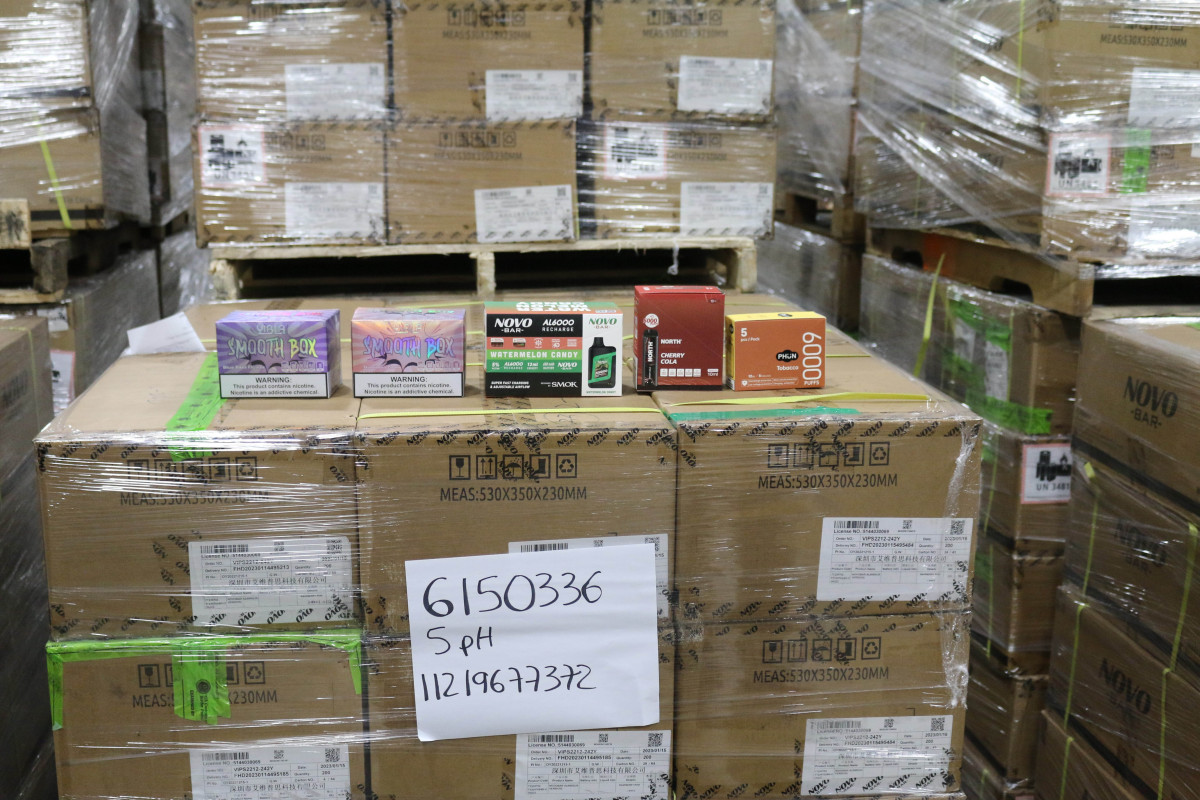
Seized E-Cigarettes | Source: CBP


The operation, which was the culmination of months of planning and interagency coordination, targeted incoming shipments suspected of containing unauthorized e-cigarettes. Nearly all of the seized products originated in China and were destined for distribution across the United States. In total, approximately 4.7 million e-cigarette units were intercepted, with a manufacturer’s suggested retail price (MSRP) valued at more than $86.5 million.


During the inspections, enforcement teams identified multiple violations, including the absence of FDA marketing authorization, federal revenue evasion, trademark infringements, and improper hazardous materials labeling.


“Parents, teachers, coaches, and others concerned about our kids should be alarmed by how many unauthorized e-cigarettes have been seized,” said CBP Commissioner Rodney Scott. “There is no telling what dangers are inside these products or the conditions under which they were made. I urge everyone to know what they are buying.”


This enforcement action is part of the FDA’s broader strategy to curb youth vaping, which includes eliminating “port shopping,” disrupting illegal distribution networks, educating parents on vaping risks, and ensuring nationwide retail compliance.


“We will never allow foreign actors to threaten the health of America’s children,” said Health and Human Services Secretary Robert F. Kennedy, Jr. “Today we took decisive action to protect kids from illegal vape products. I thank President Trump and Attorney General Bondi for their leadership in shutting down this black market.”

“The FDA and our federal partners are committed to securing America’s borders and preventing illegal vaping products from entering the country,” said FDA Commissioner Marty Makary, M.D., M.P.H. “If a product has not been authorized by the FDA, CBP will seize, detain, or destroy it. Americans—especially our children—should not be exposed to these potentially dangerous, addictive products.”


Since the beginning of 2025, CBP and FDA have jointly prevented more than 6 million unauthorized e-cigarette products, with a total MSRP value of over $120 million, from entering the U.S.


All e-cigarette products seized in this operation lacked the FDA’s mandatory premarket authorization and therefore cannot be legally marketed or distributed in the United States. To date, the FDA has authorized only 39 e-cigarette products and devices, which are listed in the agency’s Searchable Tobacco Products Database.


In addition to product seizures, the FDA issued letters to 37 importers and entry filers responsible for attempting to bring in these unauthorized products. The letters remind firms of their legal obligations, warn that false import statements constitute a federal crime, and require responses within 30 days.

 

Singapore’s Underground Vape Chain Revealed:How Dispatchers, Telegram Groups, and Small “Online Shops” Form an Operating Model
A vape-related case reported by The Straits Times illustrates the typical operating methods of Singapore’s underground vape trade, including Telegram-based “online shops,” centrally coordinated scheduling, and small-volume, fragmented deliveries. The case highlights the segmented and concealed nature of the country’s black-market vape network. Drawing on the report, 2Firsts uses this case as a sample to map out the structure and operational patterns of Singapore’s underground vape chain.
Dec.02 by 2FIRSTS.ai
Bloomberg-Backed Campaign Wins as Denver Votes to Ban Flavored Nicotine
Denver voters have upheld the city’s ban on flavored nicotine products—including fruity vapes and menthol cigarettes—with 72% in favor during the Nov. 4 election. The “Yes on 310” campaign, backed by $5 million from Michael Bloomberg, celebrated the result as a major victory for youth health. Opponents, mostly local vape shop owners, warned of economic harm and called the spending imbalance unfair.
Nov.05 by 2FIRSTS.ai
Vape Company Takes FDA to Court for Stalling Premarket Decision for Half a Decade
California-based vape manufacturer Schwartz E-Liquid (USA Vape Lab) has sued the U.S. Food and Drug Administration (FDA) in federal court, alleging the agency unlawfully failed to issue a decision on its premarket application for flavored e-cigarette products for more than five years. The company is seeking a court order compelling the FDA to act within 90 days.
Nov.26 by 2FIRSTS.ai
Indonesian Police to Crack Down on Etomidate-Laced Vapes
Indonesia’s National Police Criminal Investigation Department (Bareskrim Polri) will continue to take enforcement action against users and distributors of etomidate-laced vape liquids, even though the substance is not yet classified as a narcotic. Brigadier General Eko Hadi Santoso, Director of Narcotics Crimes, said etomidate is an anaesthetic drug regulated under Health Law No. 17 of 2023, but has not been listed as a narcotic or psychotropic substance.
Oct.23 by 2FIRSTS.ai
Australia TGA Warns Delivery Platforms: Don’t Promote or Supply Vapes Illegally
The Therapeutic Goods Administration (TGA) warned online delivery platforms not to breach Australian vape laws and said it worked with two major companies to remove non-compliant material. Under the Therapeutic Goods Act 1989, advertising vapes to the public is banned and sales are pharmacy-only; tobacconists and convenience stores cannot supply vapes. TGA will continue enforcement, with severe penalties for breaches.
Oct.30 by 2FIRSTS.ai
R.J. Reynolds Seeks Dismissal of “Carbon Neutral” Lawsuit over Vuse E-Cigarette Claims
R.J. Reynolds Vapor Co. has moved to dismiss a class-action lawsuit alleging false “carbon neutral” claims for its Vuse e-cigarettes, arguing its statements were based on independent certifications from Verra and Vertis, not misleading consumers.
Oct.23 by 2FIRSTS.ai