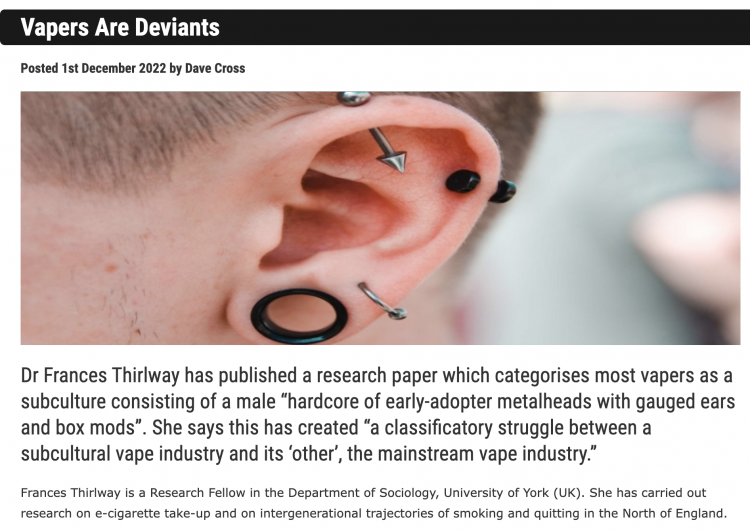
Frances Thirlway is a researcher in the Department of Sociology at the University of York in the UK. She has conducted research on the use of electronic cigarettes and the intergenerational trajectory of smoking and quitting in northern England.
Previously, the doctor had a positive view of electronic cigarettes.
Frances tweeted that making sure e-cigarettes are much cheaper than smoking could be the key to addressing health inequality issues, as reducing addiction costs may be more important for working-class smokers than minimizing health risks.
She discovered that users struggle with the time, effort, and cost spent on finding a "suitable" electronic cigarette, as well as the frequency of product malfunctions. For example, cheaper tank models can crack, leak, or bubble if over tightened or under tightened. Users also experience issues with disconnections and battery depletion or inability to charge.
Dr. Thirlway conducted research by visiting some e-cigarette shops in the Northeast region.
In the subculture war, she summarized her findings that the electronic cigarette industry is engaged in a subcultural struggle with its "other," mainstream industry. "Based on a two-year study, I believe the electronic cigarette industry in the UK is undergoing a classification struggle between subculture and mainstream industries.
Based on Thornton's analysis of club culture, I describe the subculture of e-cigarette industry as a taste community built around male aesthetics and a commitment to authenticity and DIY practices. Its attachment to complex systems and male-dominated spaces may exclude customers who lack expertise or interest.
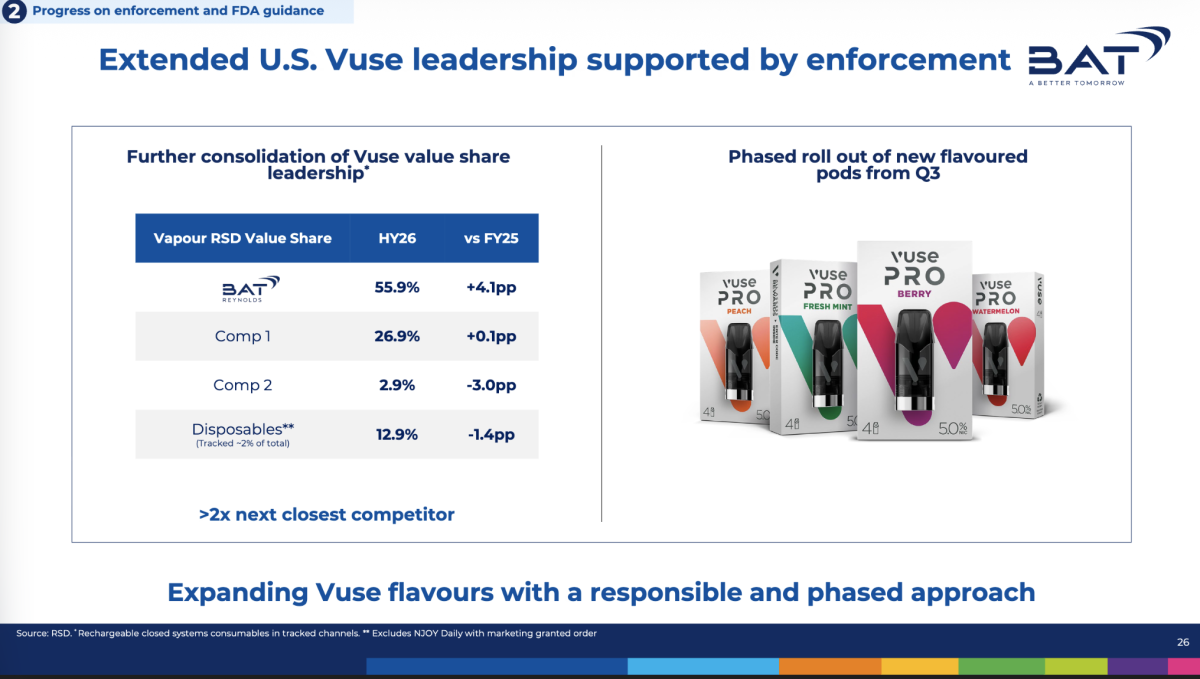
The mainstream industry includes tobacco companies, which view electronic cigarettes as a complementary category to smoking and connect their own e-cigarette products to the historical significance of cigarettes as a lifestyle product. This task is hindered by the toxic residues from burning tobacco and their increasing return to generic categories rather than branded products. Finally, the success of the price-centric e-cigarette industry has largely been overlooked, but this indicates that for most consumers, e-cigarettes remain a distinct category from traditional tobacco and are primarily purchased based on price.
My conclusion is that the exclusion of feminized and classed 'others' is a decisive factor in the formation of subcultures, and it is itself an overwhelming mechanism for constructing male group identity.
Dr. Frances Thirlway will be giving a speech at this year's electronic cigarette summit at the Royal College of Physicians in London. Her topic is listening to young smokers and e-cigarette users discussing disposable products.
2FIRSTS will continue to track and report on this issue, with updates available on the "2FIRSTSAPP". Scan the QR code below to download the app.
Disclaimer
This article is provided solely for professional research, industry discussion, and informational purposes. Any references to brands, companies, products, technologies, or policies are made for factual reporting and analytical purposes only, and do not constitute endorsement, recommendation, promotion, or advertising by 2Firsts.
Nicotine-containing products, including but not limited to cigarettes, e-cigarettes, heated tobacco products, and nicotine pouches, carry significant health risks. Readers are responsible for complying with all applicable laws and regulations in their respective jurisdictions, including age restrictions and access limitations.
The information contained in this article should not be regarded as investment, legal, medical, regulatory, or commercial advice. While 2Firsts strives to ensure the accuracy and reliability of its content, it does not assume liability for any direct or indirect loss arising from errors, omissions, inaccuracies, or reliance on the information contained herein.
This article is not intended for individuals below the legal age for accessing tobacco or nicotine-related information in their jurisdiction.
Copyright Notice
This article is either original content produced by 2Firsts or content reproduced, translated, summarized, or adapted from third-party sources with attribution where applicable. The intellectual property rights of the original content remain with 2Firsts or the respective original rights holders.
No individual or organization may copy, reproduce, distribute, republish, modify, translate, or otherwise use this content without prior authorization. Any unauthorized use may result in legal action.
For copyright-related inquiries, corrections, or removal requests, please contact: info@2firsts.com.
AI-Assisted Translation and Editing Notice
Portions of this article may have been translated, edited, or reviewed with the assistance of artificial intelligence tools to improve efficiency and readability. Due to the limitations of AI-assisted translation and editing, discrepancies, omissions, or inaccuracies may exist when compared with the original source.
Where applicable, readers are advised to refer to the original source for the most complete and accurate information. If you identify any errors or believe that any content infringes upon your rights, please contact us at info@2firsts.com, and we will review and address the matter promptly.