Key Points
● UK Prime Minister Andy Burnham is reshaping business rates policy.
● Hospitality businesses are receiving greater business rate support.
● Vape retailers and some other sectors face higher operating cost pressures.
● The policy is a business tax adjustment rather than a vape-specific tax.
● UK vape retailers are facing combined regulatory, tax and operating pressures.
2Firsts
July 24, 2026
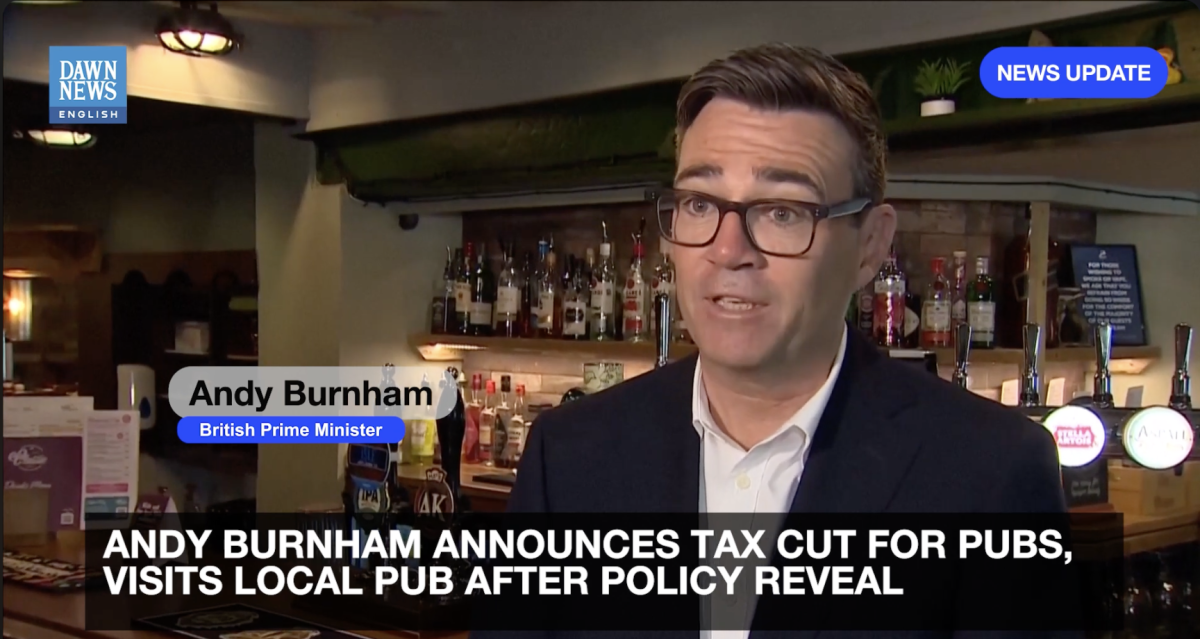
A business rates policy shift introduced by new UK Prime Minister Andy Burnham’s government has drawn attention from the retail sector. The policy aims to reduce business rate pressures on hospitality businesses while changing the distribution of costs across other commercial sectors, including vape retailers.
According to Streamline Feed, Dawn News and other reports, the policy adjustment focuses on supporting hospitality businesses facing economic pressure, while some other sectors may experience higher relative operating costs.
For UK vape retailers, the change is not a vape-specific tax measure but part of a broader shift in the business environment. However, it adds further pressure to a sector already facing regulatory and compliance challenges.
Andy Burnham Government Adjusts Business Rates Policy
Andy Burnham previously served as Mayor of Greater Manchester before becoming UK prime minister. Following his appointment, his government moved to adjust business rates policy as part of broader economic measures.
Business rates are a form of local commercial property taxation paid by businesses based on the value of their premises. The system directly affects retailers, hospitality operators and service businesses.
The policy change aims to reduce costs for sectors facing economic challenges, particularly hospitality.
However, business rate relief measures require broader fiscal balancing, meaning some other commercial sectors may face relatively higher burdens.
Hospitality Gains Support While Some Retailers Face Higher Costs
The UK government has prioritized support for hospitality businesses, including hotels, restaurants and related consumer services.
These industries have faced pressure from higher energy costs, labor expenses and changing consumer conditions.
At the same time, businesses outside the supported categories may experience greater relative cost pressure.
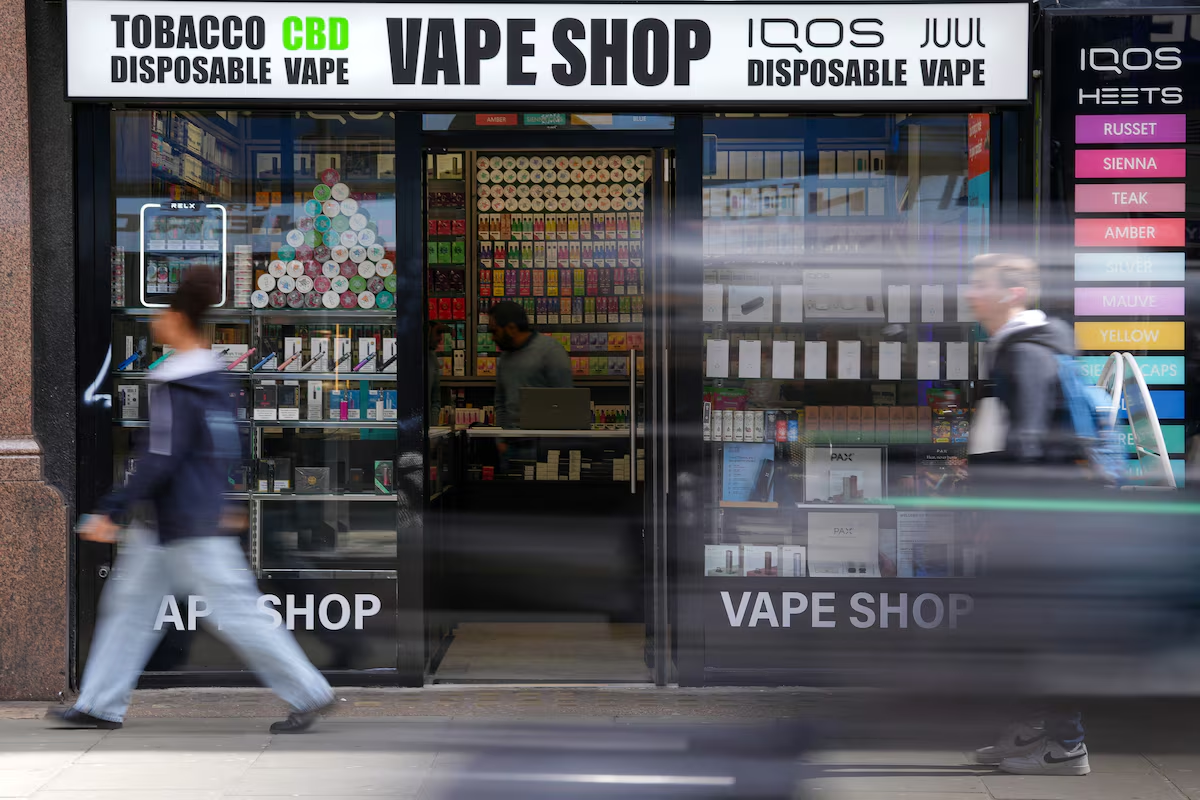
Vape retailers are among the commercial sectors affected by this broader business rate environment.
For physical vape shops, business rates represent a fixed operating cost that can influence profitability, expansion decisions and market competition.
UK Vape Retailers Face Multiple Cost Pressures
The business rate changes come as the UK vape industry undergoes broader regulatory shifts.
In recent years, the government has introduced or advanced measures including:
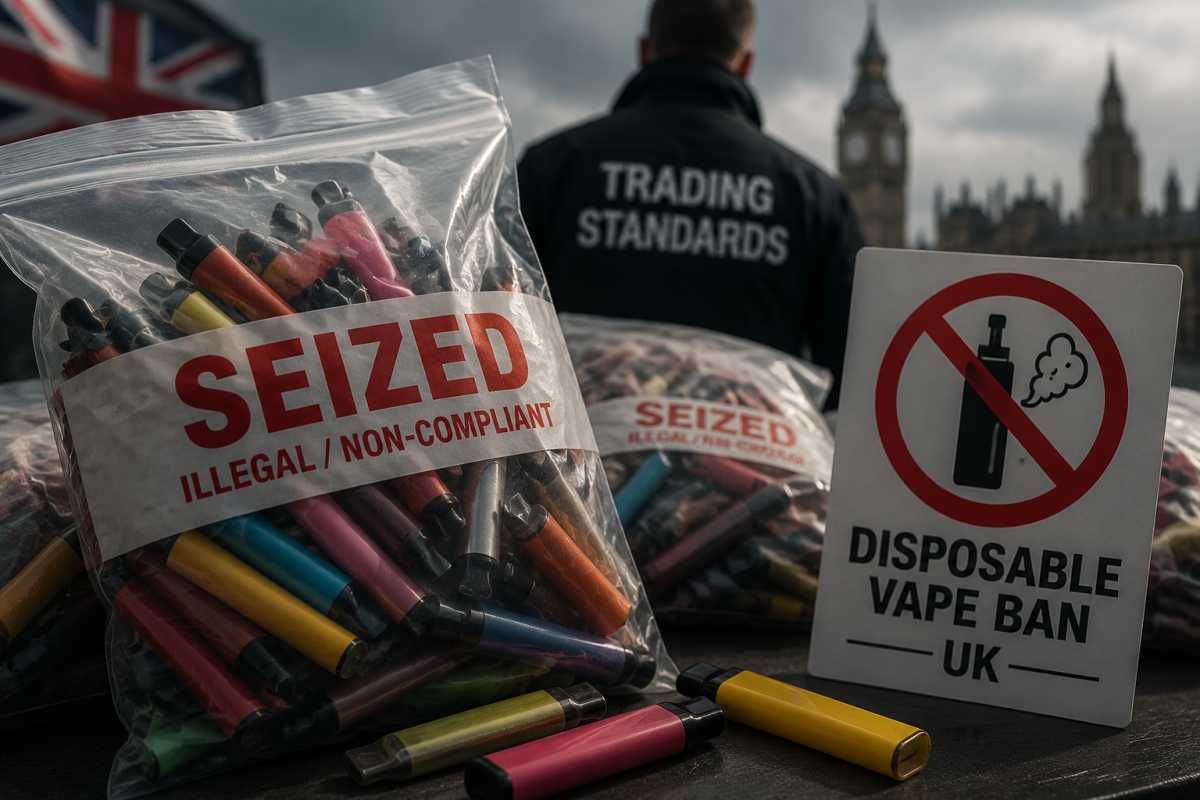
● the disposable vape ban;
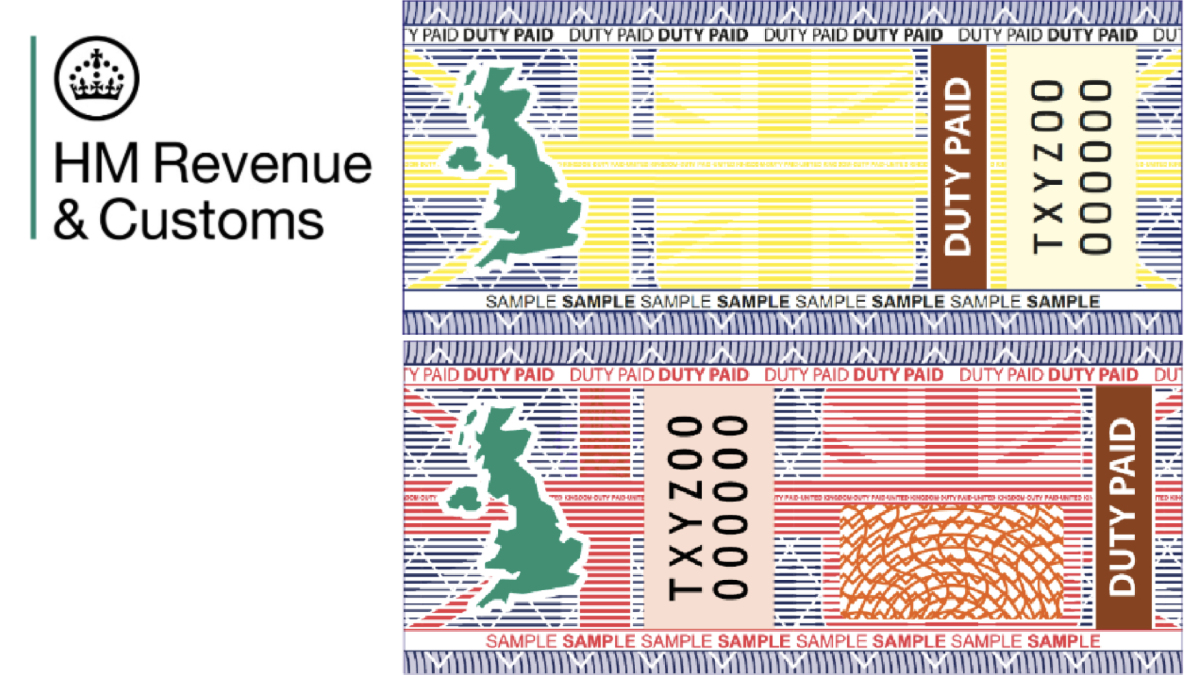
● the Vaping Products Duty;
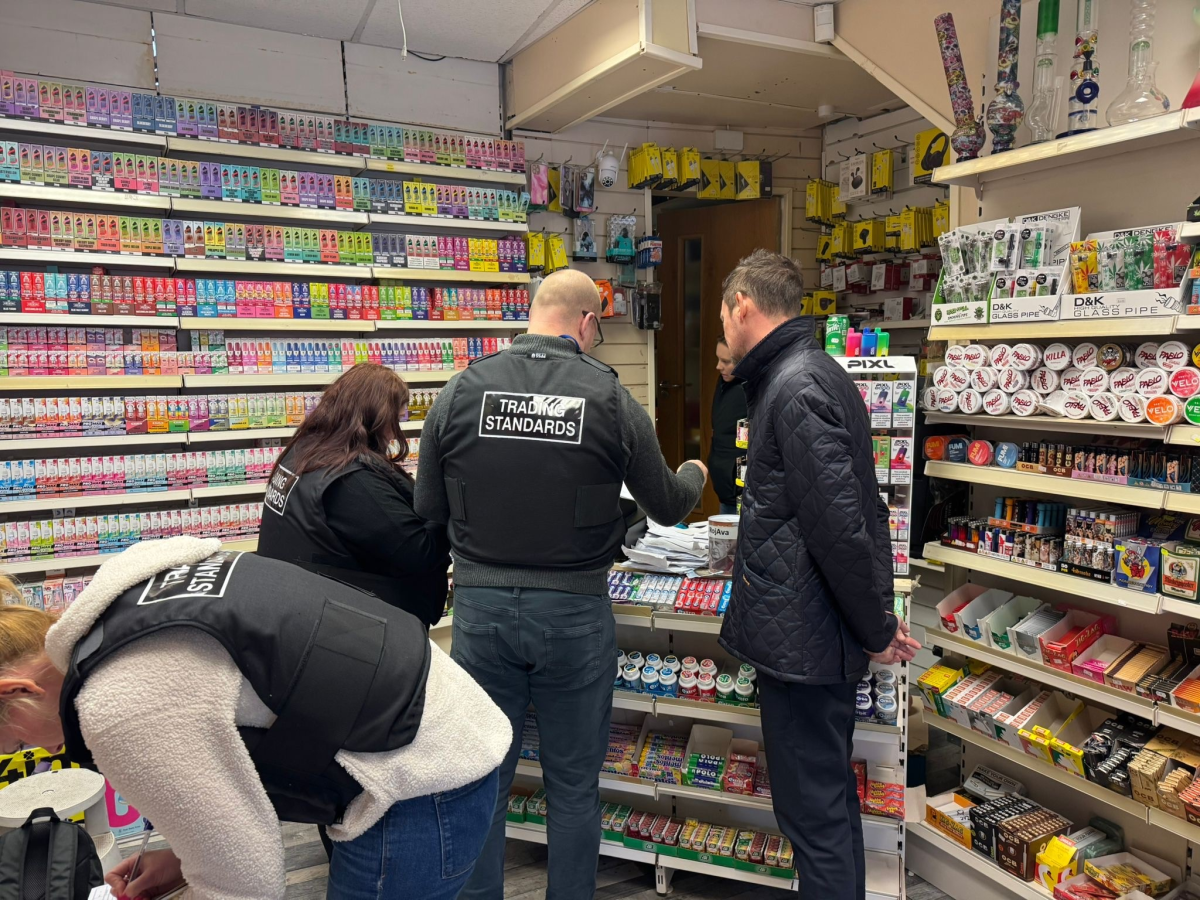
● enforcement against illegal vape markets.
These policies affect product supply, taxation and retail compliance requirements.
For vape retailers, operating pressures now extend beyond taxation to include inventory management, supplier checks and regulatory compliance costs.
Smaller independent vape shops may face greater challenges than larger operators as fixed costs rise.
Business Rate Policy Reflects Redistribution of Industry Costs
From a broader economic perspective, the policy shift reflects a redistribution of business cost burdens across industries.
The government’s support for hospitality aims to protect employment and consumer-facing sectors, while businesses outside those relief categories may face higher relative costs.
Vape retailers are affected not because of a dedicated vape tax measure, but because they operate within the wider commercial tax system.
UK Vape Sector Enters Higher-Cost Operating Environment
The UK vape market has experienced significant regulatory changes in recent years.
From product standards and sales restrictions to taxation changes, businesses are operating in an increasingly complex environment.
For vape retailers, future competitiveness will depend not only on product sales but also on:
● cost management;
● supply-chain control;
● compliance capability.
The business rates adjustment shows that pressure on the UK vape sector is expanding beyond product regulation into broader commercial conditions.
As the new UK government advances its economic policies, how vape retailers adapt to changing cost structures will remain a key market issue.
Follow 2Firsts for the latest updates on global tobacco and nicotine regulation, industry developments and market trends.
Cover Image source: DawnNews