UK Retailers Urge Government to Include Age-Verification Tech in Tobacco and Vapes Bill

Nov.28.2025
UK Retailers Urge Government to Include Age-Verification Tech in Tobacco and Vapes Bill
UK convenience retailers have written to several government ministers urging the adoption of age-verification technology in the Tobacco and Vapes Bill. The letter, led by Atul Sodha of Londis, Harefield, and co-signed by 29 other shop owners, calls for a “triple lock” approach combining manufacturer tech, retailer vigilance, and user-level verification to curb youth access.

Key Points 


  • The Tobacco and Vapes Bill is currently being debated in the House of Lords, expected to return to Parliament next year.
  • Atul Sodha, owner of Londis, Harefield, wrote a letter to ministers urging age-verification technology to stop youth vaping.
  • The letter was co-signed by 29 convenience retailers across the UK.
  • Retailers argue that current measures on packaging and display fail to address youth access channels.
  • Proposal: integrate age-gating technology into vape devices to render them inoperable until age is verified.
  • The approach aims to cut underage use, shoplifting, and abuse against retail staff.
  • Data: 1 in 4 British youths aged 11–15 have tried vaping, and an underage sale occurs every two hours.
  • The proposal is supported by the Association of Convenience Stores (ACS) and seen as a practical, health-first reform.


2Firsts, November 28, 2025 — According to a report by Talking Retail,The Tobacco and Vapes Bill, currently being reviewed in the House of Lords, is expected to return to Parliament in 2026. In anticipation, Atul Sodha, owner of Londis, Harefield, has written a joint letter to ministers urging the government to leverage available technology to strengthen age verification for vape products.


The letter, co-signed by 29 other convenience retailers, was addressed to Health Secretary Wes Streeting, Public Health Minister Ashley Dalton, Small Business Minister Blair McDougall, and Crime and Policing Minister Sarah Jones.


Retailers warned that current legislative measures — focusing mainly on packaging, flavour, and display restrictions — fail to stop determined young people from accessing vaping products through proxy purchases or illicit markets.


The letter proposes a “triple lock” approach combining manufacturer-installed technology, retailer diligence, and user-level verification to ensure compliance and safety.


Sodha wrote:


“Accessibility is the core issue. By making vapes inoperable until the user’s age is verified, we can stop youth use, reduce confrontations, and protect our staff.”


The proposed age-gating system would require users to verify their age before activating the device, making stolen or misused products worthless and eliminating incentives for underage purchases.


Retailers emphasized that the system would:


  • Prevent underage attempts to buy or use vapes.
  • Reduce confrontational incidents and staff abuse.
  • Lower theft rates as unverified devices become unusable.
  • Ensure only verified adults can activate products.
  • Relieve enforcement pressure on shopkeepers and authorities.


Retailers also suggested allowing stores to sell pre-unlocked devices to customers visibly over 25 years old, ensuring accessibility for adult smokers seeking cessation tools.


The letter concludes that the Tobacco and Vapes Bill presents a unique legislative opportunity to enable this change. By empowering the Health Secretary to regulate age-verification technology, the government could introduce a future-proof solution that balances public health protection with fair access for adult consumers.


Image credit: Talking Retail


We welcome news tips, article submissions, interview requests, or comments on this piece.

Please contact us at info@2firsts.com, or reach out to Alan Zhao, CEO of 2Firsts, on LinkedIn


Notice

1.  This article is intended solely for professional research purposes related to industry, technology, and policy. Any references to brands or products are made purely for objective description and do not constitute any form of endorsement, recommendation, or promotion by 2Firsts.

2.  The use of nicotine-containing products — including, but not limited to, cigarettes, e-cigarettes, nicotine pouchand heated tobacco products — carries significant health risks. Users are responsible for complying with all applicable laws and regulations in their respective jurisdictions.

3.  This article is not intended to serve as the basis for any investment decisions or financial advice. 2Firsts assumes no direct or indirect liability for any inaccuracies or errors in the content.

4.  Access to this article is strictly prohibited for individuals below the legal age in their jurisdiction.


Copyright


This article is either an original work created by 2Firsts or a reproduction from third-party sources with proper attribution. All copyrights and usage rights belong to 2Firsts or the original content provider. Unauthorized reproduction, distribution, or any other form of unauthorized use by any individual or organization is strictly prohibited. Violators will be held legally accountable.

For copyright-related inquiries, please contact: info@2firsts.com


AI Assistance Disclaimer


This article may have been enhanced using AI tools to improve translation and editorial efficiency. However, due to technical limitations, inaccuracies may occur. Readers are encouraged to refer to the cited sources for the most accurate information.

We welcome any corrections or feedback. Please contact us at: info@2firsts.com

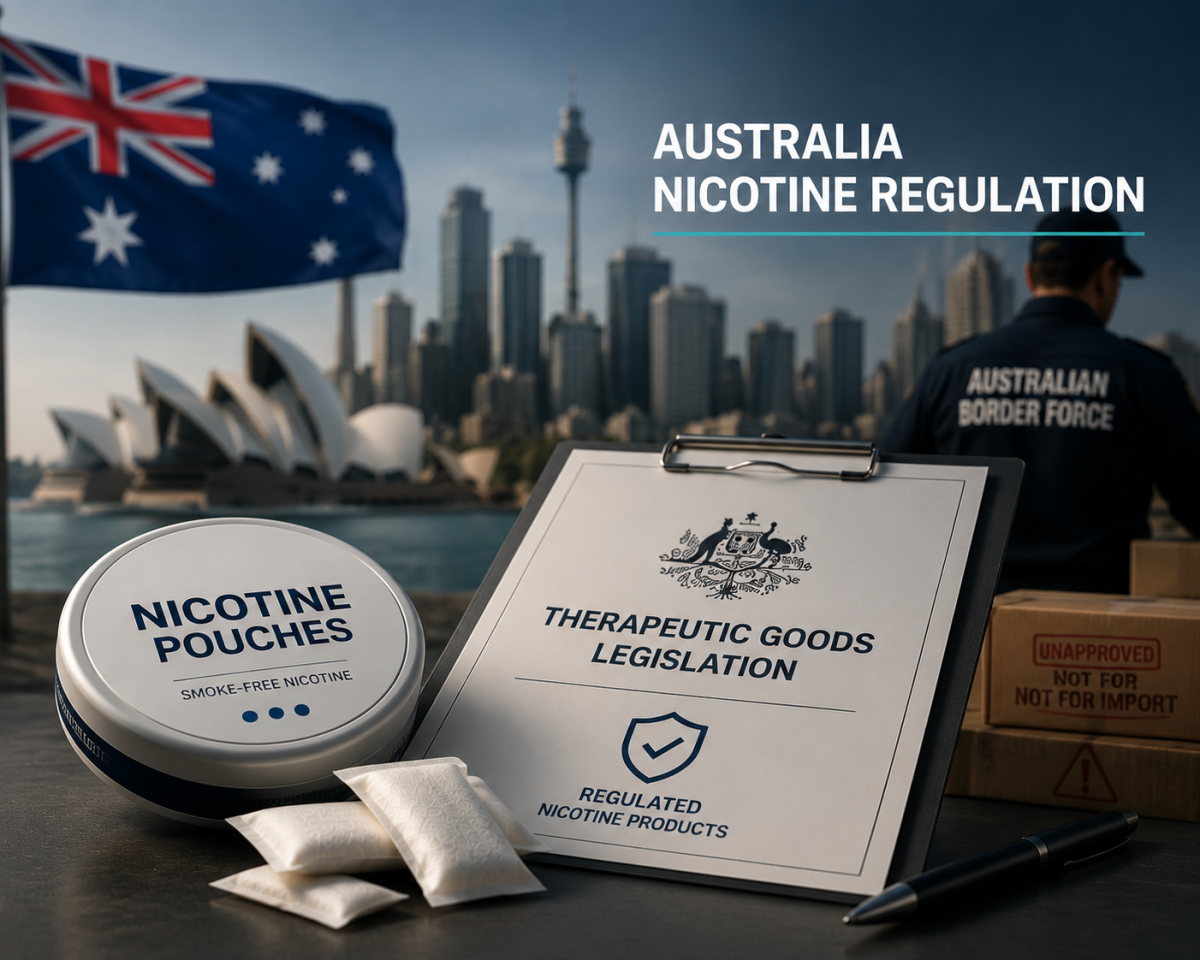
Australia’s TGA Places Nicotine Pouches Under Therapeutic Goods Rules From July 24, Blocking Imports of Unapproved Products
Australia is strengthening controls on nicotine pouches under its existing therapeutic goods regulatory framework. According to the Therapeutic Goods Administration (TGA), nicotine pouch products must meet regulatory requirements, and unapproved products cannot be legally imported. The move follows Australia’s broader approach of maintaining strict oversight of nicotine products, including nicotine-containing vapes. As nicotine pouches expand globally, Australia’s regulatory approach highlights growing differences in how countries manage emerging smoke-free nicotine products.
Regulations
Jul.27
China Tobacco Hubei explores staged nicotine pouch delivery, using dynamic membranes to slow early release and gradient particles to sustain later delivery
China Tobacco Hubei Industrial Co., Ltd. disclosed several oral nicotine-related patent applications in August 2026, including two that approach staged nicotine release from different directions. One uses a high-viscosity membrane that forms inside the pouch after contact with saliva to slow rapid early release, while the other uses gradient particles with a faster-disintegrating outer layer and a slower core to create a fast-to-sustained release profile. Together, the filings explore how nicotine pouches could balance initial delivery with release later in use.
Sep.03
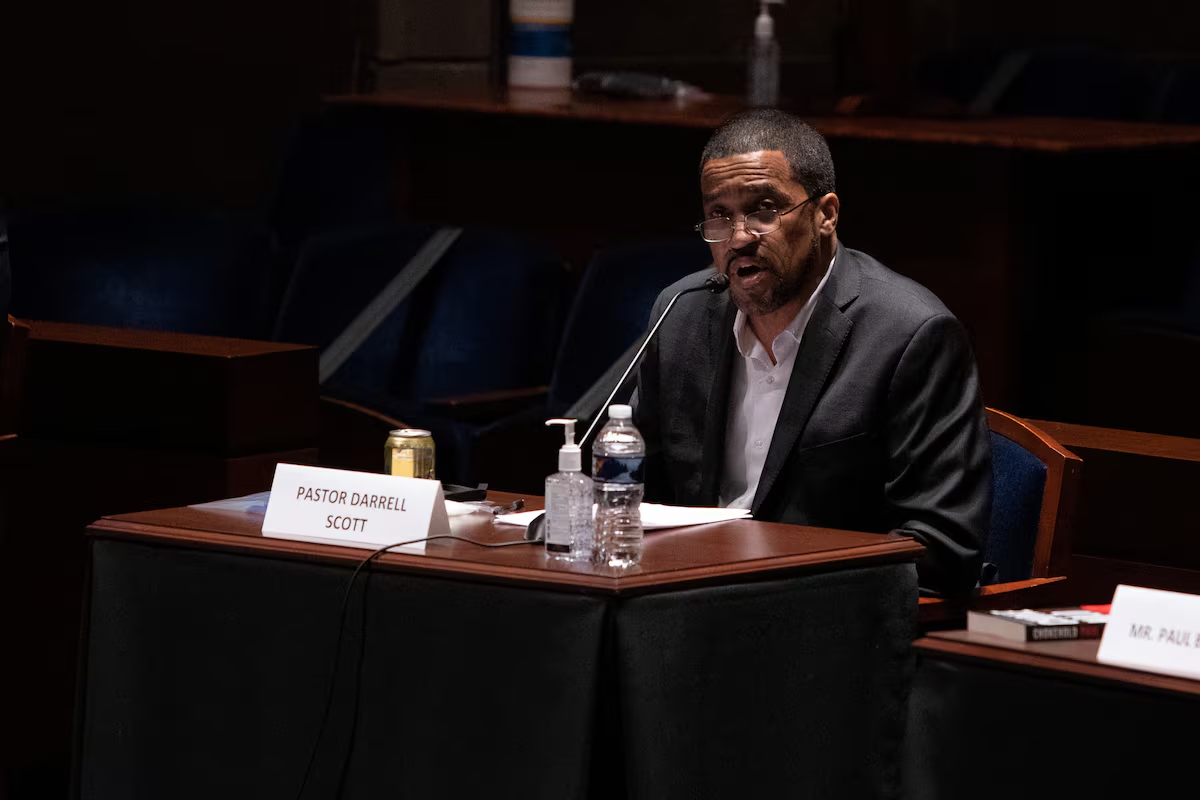
Trump Names Darrell Scott as CDC Tobacco Health Adviser, Citing Tobacco Risks and Harm-Reduction Solutions
U.S. President Donald Trump has named Pastor Darrell Scott to serve as an adviser on tobacco health issues on the Centers for Disease Control and Prevention’s Advisory Committee to the Director. Trump said Scott would focus on the burden of tobacco-related disease and help examine ways to protect Americans from dangerous tobacco products while supporting solutions that reduce harm. Scott’s public career has largely centered on faith leadership, community advocacy and politics.
Sep.02
Ohio Supreme Court Weighs Whether State Consumer Law Can Restrict Flavored Vape Sales
The Ohio Supreme Court is hearing a case involving flavored vape sales and whether state authorities can use consumer protection laws to take action against retailers selling unauthorized vape products. Ohio officials argue that selling unauthorized flavored vapes may constitute consumer deception, while retailers argue that tobacco product regulation falls under federal Food and Drug Administration (FDA) authority and that states cannot impose additional restrictions through consumer laws. The case could affect the scope of state-level vape regulation across the United States.
Aug.06
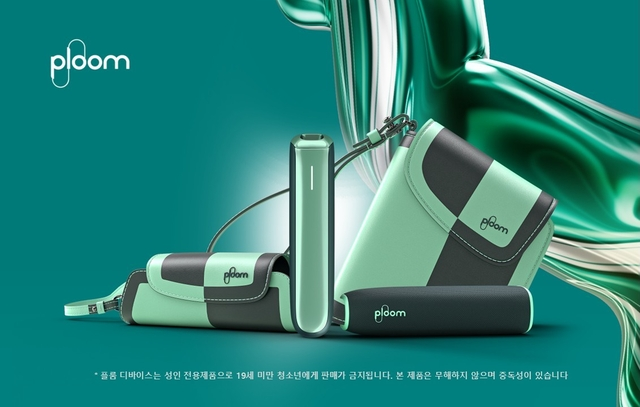
Product | JTI Launches Ploom AURA Teal Electric Pop in South Korea, Its First Dual-Color Edition
JTI Korea launched the Ploom AURA Teal Electric Pop limited edition in South Korea on September 1, 2026, marking the first dual-color design in the Ploom AURA range. The device combines a dark green body with teal accents and is accompanied by matching Front Panel, Back Cover and Pocket Bag accessories. The standalone device is priced at KRW 29,000, with three additional device-and-accessory bundles available. The release continues JTI Korea's use of limited colorways and interchangeable accessories to expand the Ploom AURA portfolio without introducing a new hardware platform.
Sep.03
China Tobacco Zhejiang files patent for pressure-triggered, on-demand oral nicotine release
China Tobacco Zhejiang Industrial Co., Ltd. has filed a patent application for an oral nicotine delivery product designed to let users actively adjust nicotine release. The product embeds two types of nicotine reservoirs with different wall thicknesses and positions inside a deformable matrix. Pressure applied with the tongue or lips can rupture the reservoirs and accelerate nicotine release. In simulated oral tests, several patent examples showed sharply higher peak nicotine release rates as applied force increased from 0 N to 1 N and 3 N. The filing explores a shift from preset release profiles toward user-triggered nicotine delivery.
Sep.01