USTC Exits Bankruptcy

EventsNews
Jul.19.2022

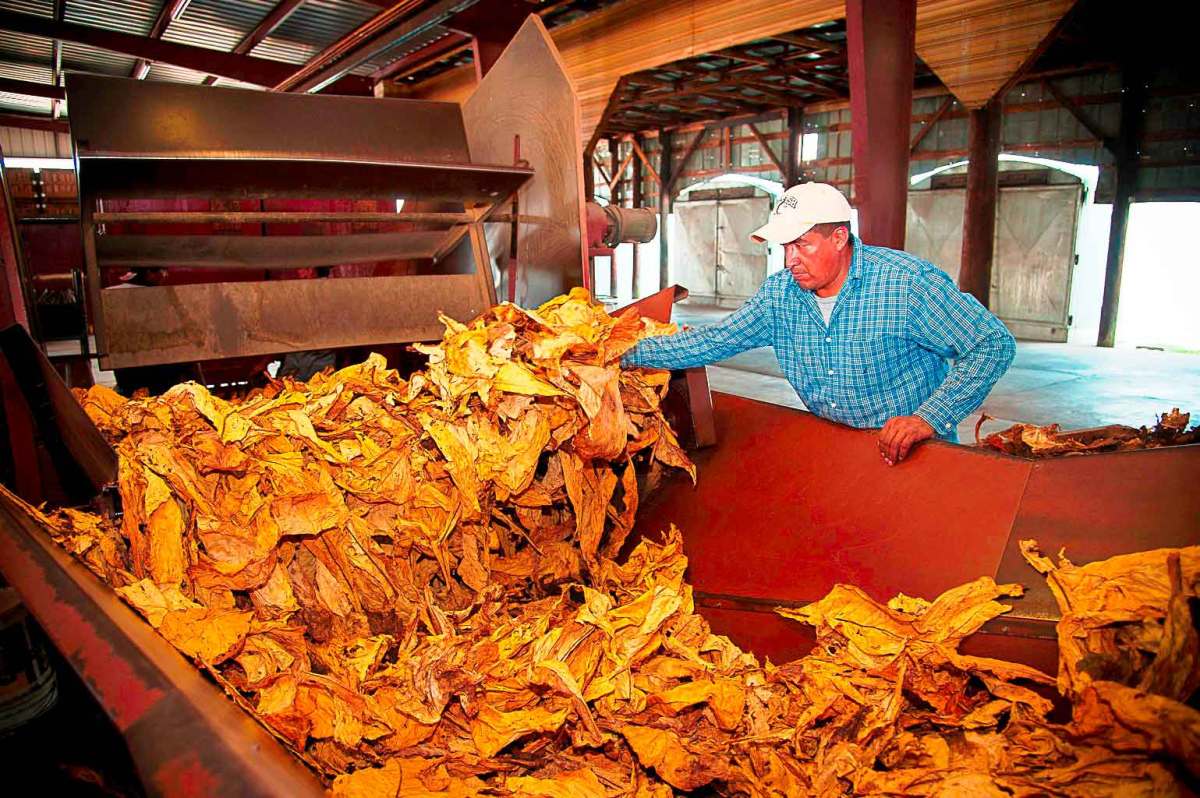
U.S. Tobacco Cooperative (USTC) exited bankruptcy on July 14. The announcement follows the federal Bankruptcy Court’s approval of the cooperative’s Chapter 11 plan of reorganization on June 23, 2022, along with approval of the settlement terms with the Lewis Class.
USTC Exits Bankruptcy

USTC filed for bankruptcy protection in July 2021 in order to meet contractual obligations to its member growers while the company addressed uncertainty presented by the ongoing Lewis class action lawsuit.


“Today’s exit from bankruptcy marks the end of more than 17 years of class action lawsuits following the termination of the federal price support program that ran from 1946 to 2005,” said USTC CEO Oscar J. House.


“Our exit allows us to now focus solely on the services and products our cooperative is known for. I want to thank our customers, employees, suppliers, board of directors and especially our member growers for their continual support throughout the bankruptcy proceedings, which are now officially behind us.”


In accordance with the plan, the cooperative pays in full its secured lenders, suppliers and unsecured creditors in addition to settlement amounts to the Lewis Class.


“We are energized,” continued House. “Our business is robust with our farmer members contracting for this fall’s harvest, customers ordering our products and shipments processing daily. With our experienced management team, dedicated employees and our strong market position, the cooperative is poised for a successful future.”


The content excerpted or reproduced in this article comes from a third-party, and the copyright belongs to the original media and author. If any infringement is found, please contact us to delete it. Any entity or individual wishing to forward the information, please contact the author and refrain from forwarding directly from here.

Russia’s Rostov Region Eyes Full Vape Sales Ban, Signals Tighter Tobacco Retail Rules
Russia’s Rostov region is preparing to pursue a region-wide ban on vape sales and is also signaling support for broader regional powers to tighten tobacco retail rules. A regional lawmaker said the initiative aligns with a State Duma bill that would allow regions to impose vape sales bans—an initiative he said has presidential backing.
Jan.28 by 2FIRSTS.ai
West Virginia Bill Would Direct USD 2.9 Million of Juul Settlement to Youth Tobacco and Vaping Prevention
A bill completed during West Virginia’s 2026 regular legislative session would make a one-time allocation of USD 2.9 million from the state’s USD 7.9 million settlement with Juul to youth tobacco prevention and cessation programs.
Mar.19 by 2FIRSTS.ai
PMI Faces Setback in India: Global Regulatory Fragmentation Complicates Its Smoke-Free Transition
India has reaffirmed its 2019 ban on e-cigarettes and heated tobacco devices, effectively blocking Philip Morris International (PMI) from launching IQOS in the country despite years of lobbying. Together with Taiwan, China’s conditional opening of heated tobacco products, and Japan’s planned 2026 excise tax hikes, these moves highlight increasingly divergent national regulatory pathways—an external uncertainty shaping PMI’s smoke-free growth trajectory.
Feb.12
Nicotine Becomes Second-Largest Revenue Source for Couche-Tard in Fiscal 2025
Alimentation Couche-Tard reported that nicotine products accounted for 9% of total revenue in fiscal 2025, making it the company’s second-largest revenue source after fuel, according to its latest Business Strategy Update.
Market
Feb.19
European survey: current e-cigarette use among 15–19-year-olds rises from 14% (2019) to 22% (2024)
A European study cited in the report says the share of young people aged 15 to 19 who are current e-cigarette users increased from 14% in 2019 to 22% in 2024, with Italy reflecting the broader European pattern. Over the same period, conventional cigarette smoking among young people is described as declining, with the proportion of students who have smoked at least once in their lifetime falling sharply from 1995 to 2024, and the largest drop occurring between 2019 and 2024.
Feb.12 by 2FIRSTS.ai
South Korea online purchasing fuels spread among younger groups; online drug cases share climbs
Police said detections of new drugs disguised as e-cigarettes reached 1,206 cases through September last year, up from 941 in 2022, and the number of detected drug types increased from 26 to 33 over the same period.
Feb.11 by 2FIRSTS.ai