Uzbekistan to impose full ban on nicotine delivery devices from March 1,2026

Feb.27
Uzbekistan to impose full ban on nicotine delivery devices from March 1,2026
Uzbekistan will enforce a total ban on the circulation of electronic nicotine delivery systems from March 1, covering legal sales, storage and imports. Consumers are offered a legal option to avoid criminal liability by voluntarily handing prohibited devices to law enforcement. The report says imports had already effectively stalled in early 2025, leaving sellers to clear remaining stock.

Key Takeaways


  • Uzbekistan will ban the legal sale, storage and import of electronic nicotine delivery systems from March 1
  • Consumers may avoid criminal liability by voluntarily surrendering prohibited devices to law enforcement
  • A distributor says imports effectively stalled in early 2025 and sellers have been clearing warehouse stock
  • Purchase activity is said to have fallen by about 50% versus 2023 peak levels amid talk of heavy fines
  • Some retailers are shifting to heated tobacco systems and premium cigarettes, while some vape shops are converting into food-and-coffee outlets


2Firsts, February 27, 2026


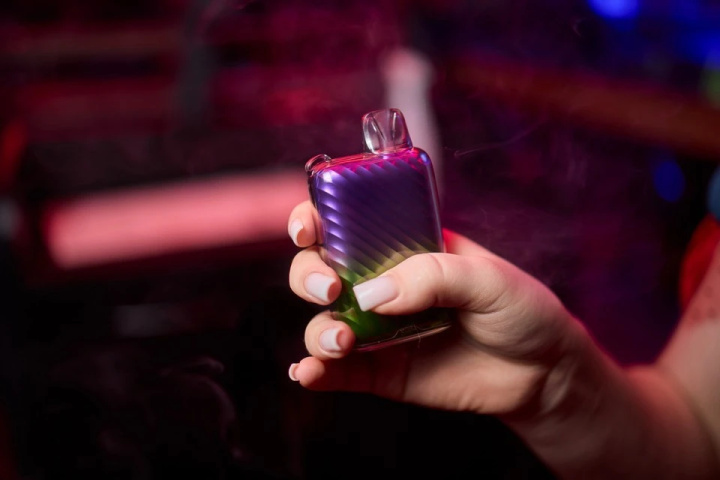
According to Spot, Uzbekistan will introduce a total ban on the circulation of electronic nicotine delivery systems starting March 1. The new law would halt legal sales, storage and imports of all vaporisers. Spot also says consumers are given one legal option to avoid criminal liability: voluntarily handing prohibited devices to law enforcement officers.


Spot quotes the founder of a major distributor as saying imports had already been effectively paralysed in early 2025, with merchants selling only remaining warehouse stock. The same source said purchasing activity has dropped by about 50% compared with record levels in 2023 amid circulating reports of heavy fines, and argued that eliminating a transparent market would benefit smugglers while depriving the state budget of tax revenues.


Spot reports that formal retail chains are rapidly adapting, with larger suppliers shifting to still-permitted heated tobacco systems and premium cigarettes. It also says a number of vape shops have changed their concept, with some stores transforming into youth-oriented food and beverage outlets where fast food, coffee and trending Asian snacks replace nicotine liquids and other vape products.


The report adds that on November 28, 2025, President Shavkat Mirziyoyev signed a law banning the sale of e-cigarettes and e-liquids, which would take effect three months after publication.


Image source: Spot


We welcome news tips, article submissions, interview requests, or comments on this piece.

Please contact us at info@2firsts.com, or reach out to Alan Zhao, CEO of 2Firsts, on LinkedIn


Notice

1.  This article is intended solely for professional research purposes related to industry, technology, and policy. Any references to brands or products are made purely for objective description and do not constitute any form of endorsement, recommendation, or promotion by 2Firsts.

2.  The use of nicotine-containing products — including, but not limited to, cigarettes, e-cigarettes, nicotine pouchand heated tobacco products — carries significant health risks. Users are responsible for complying with all applicable laws and regulations in their respective jurisdictions.

3.  This article is not intended to serve as the basis for any investment decisions or financial advice. 2Firsts assumes no direct or indirect liability for any inaccuracies or errors in the content.

4.  Access to this article is strictly prohibited for individuals below the legal age in their jurisdiction.


Copyright


This article is either an original work created by 2Firsts or a reproduction from third-party sources with proper attribution. All copyrights and usage rights belong to 2Firsts or the original content provider. Unauthorized reproduction, distribution, or any other form of unauthorized use by any individual or organization is strictly prohibited. Violators will be held legally accountable.

For copyright-related inquiries, please contact: info@2firsts.com


AI Assistance Disclaimer


This article may have been enhanced using AI tools to improve translation and editorial efficiency. However, due to technical limitations, inaccuracies may occur. Readers are encouraged to refer to the cited sources for the most accurate information.

We welcome any corrections or feedback. Please contact us at: info@2firsts.com

China’s HTP Exports Fell 14.3% in H1 2026 as Russia and Belarus Accounted for 76% Lead
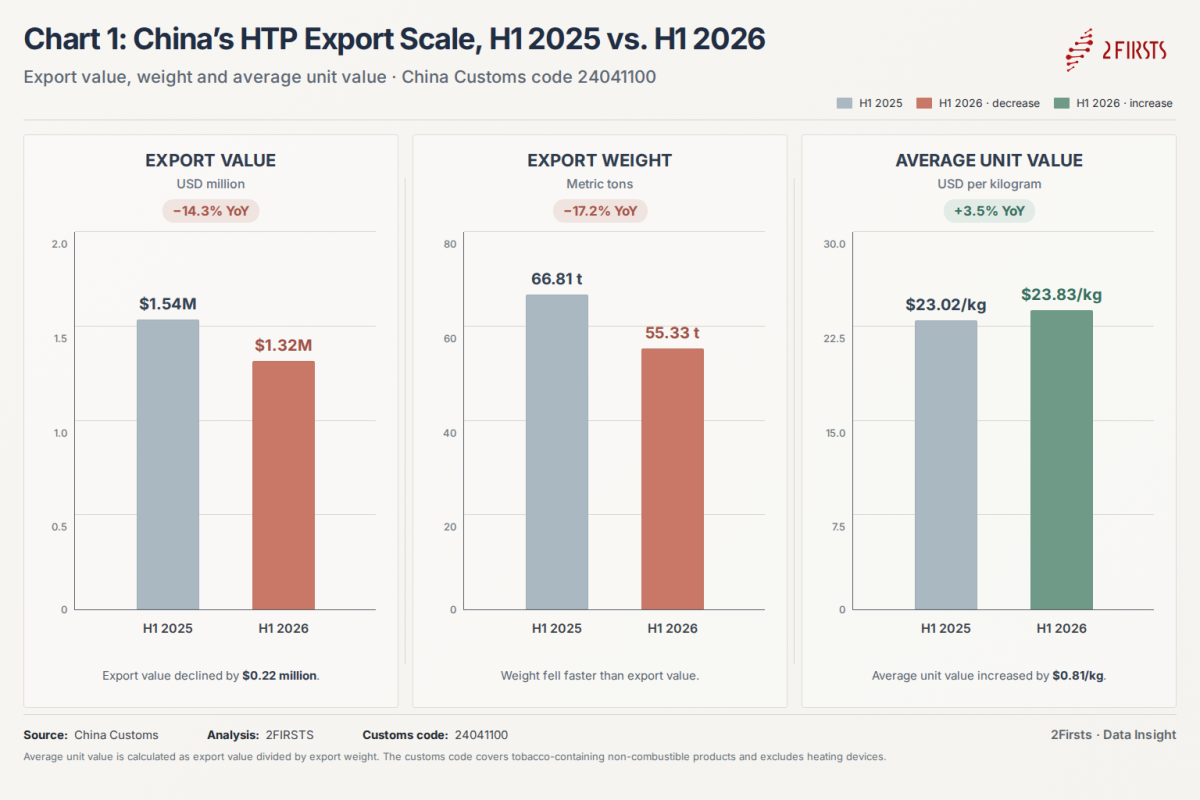
In H1 2026, China’s HS 24041100 exports stood at $1.32 million, down 14.3% YoY, with volume falling 17.2% to 55.33 tons. Market distribution shifted drastically amid overall export drops. Exports to Russia and Belarus totaled $1 million, taking 76.0% of all shipments versus 29.5% in H1 2025. Belarus became the top destination with export value jumping 177.5%, while the Philippines, Singapore and Indonesia’s combined share slumped from 49.3% to 11.2%.Domestically, Yunnan led exporter registrations; Jiangsu and Shanghai were key suppliers, yet Anhui and Sichuan had no exports. Heavy concentration means order or declaration changes for Russia/Belarus greatly affect national aggregate data. The data shows customs entry points (not end markets), covering tobacco consumables only, excluding heating equipment and the complete HTP supply chain.
Aug.11
Alaska Warns 1,500 Tobacco Retailers Over Unauthorized Vapes and Nicotine Pouches
Alaska Attorney General Stephen J. Cox has sent notices to more than 1,500 tobacco retailers and distributors warning them against selling vape and nicotine pouch products that lack authorization from the U.S. Food and Drug Administration (FDA). According to the Alaska Department of Law, businesses were advised to verify products against FDA authorization databases and avoid selling unauthorized nicotine products. The action highlights how state-level enforcement is increasingly extending federal product authorization requirements to retail channels.
Jul.24
Australia Tobacco Tax Debate Spreads Within Labor as NSW Premier Minns Reaffirms Support for a Cut
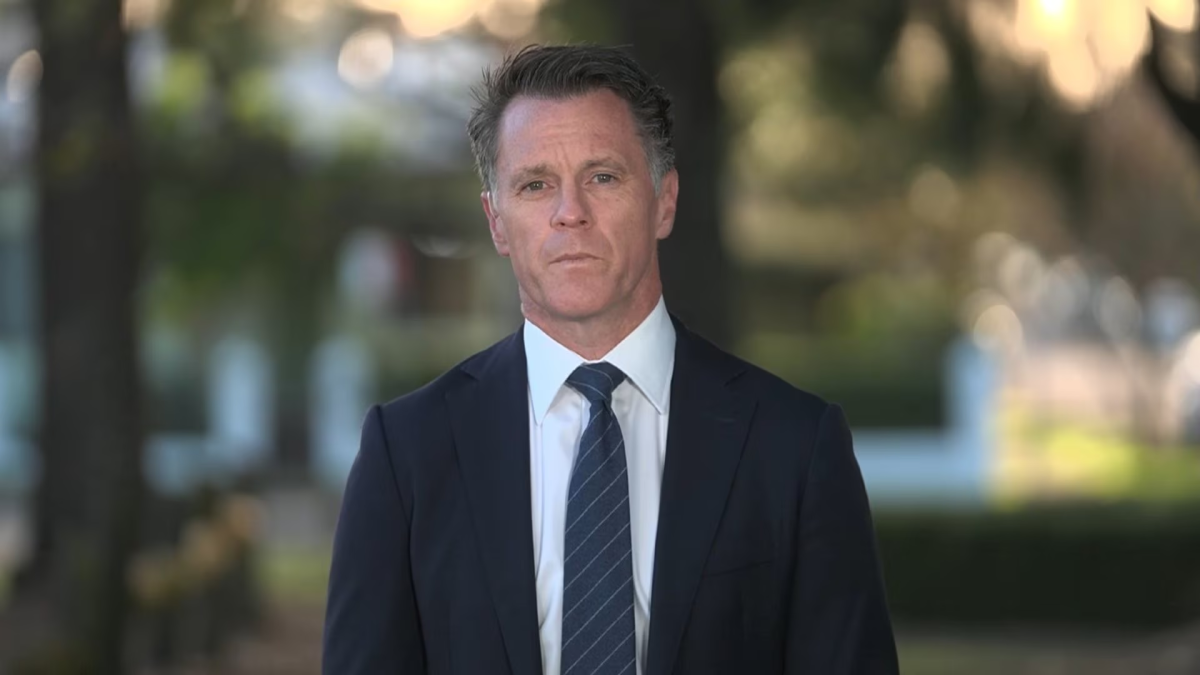
Australia’s tobacco excise debate is increasingly exposing differences within the governing Labor Party. New South Wales Labor Premier Chris Minns reaffirmed on September 8 that he supports reducing tobacco excise, arguing that current tax settings are pushing consumers toward cheaper black-market cigarettes. Federal Health Minister Mark Butler continues to oppose an excise cut, while Treasurer Jim Chalmers and Assistant Treasurer Daniel Mulino have recently stopped short of ruling out future changes. The divergence follows the opposition Coalition’s proposal to cut tobacco excise by 80%.
Sep.08
Malaysia Police Seize RM12.7 Million in Illegal Vapes and Cigarettes as Probe Points to Sea Shipments From China
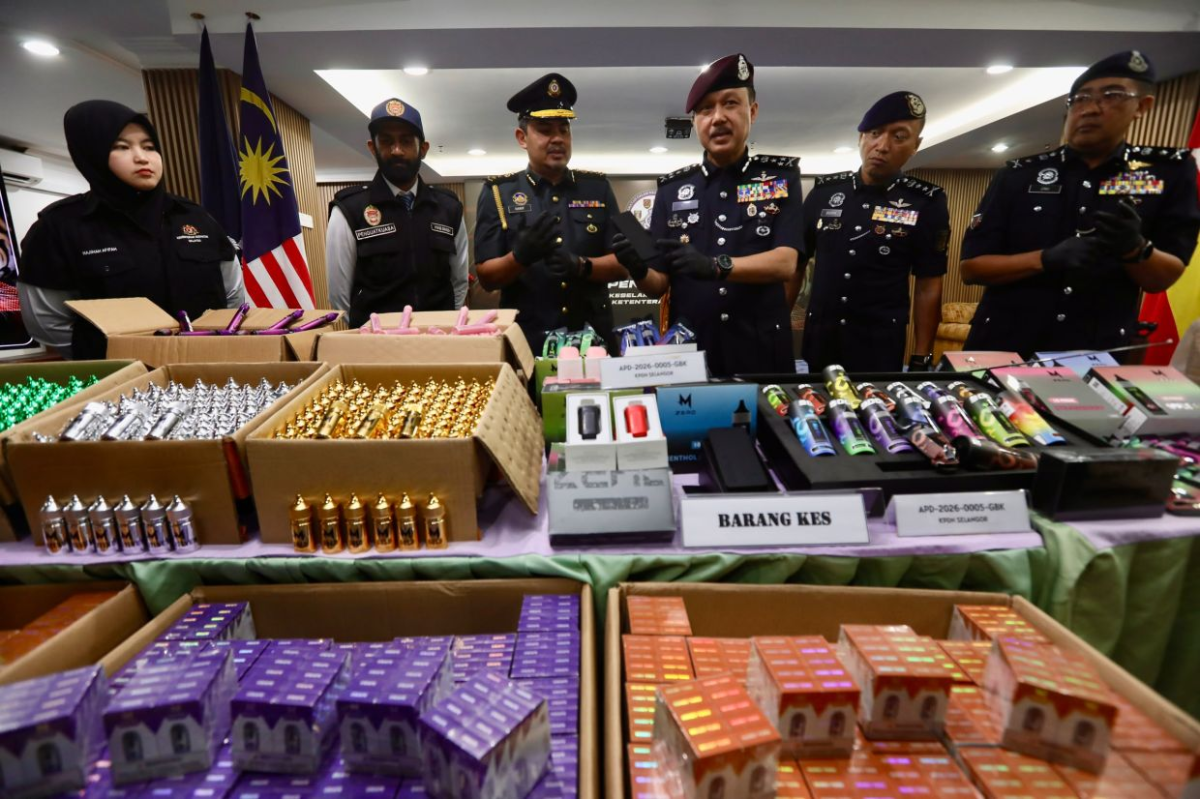
Police in Malaysia’s Selangor state seized illegal vape products and contraband cigarettes worth about RM12.7 million (approximately $3 million) in two enforcement operations. According to New Straits Times and The Star, the vape-related operation uncovered 131,036 boxes of vape products, 4,900 bottles of e-liquid and 25,510 vape devices, valued at about RM9.4 million. Police said preliminary investigations indicated that some illegal vape products entered Malaysia through sea shipments from China before moving through storage and distribution networks.
Aug.10
Seita’s Julia Neumaier Says France Should Target Vape Access, Not Plain Packaging
Julia Neumaier, general manager of Seita, Imperial Brands’ French subsidiary, said France should focus vaping regulation on access control, age verification, online sales and distribution channels, rather than applying tobacco-style plain packaging to vaping products.
Jul.15
From Border-Logistics Insiders to Retail Service Stations, Australia Mounts a Sweeping Crackdown on the Illicit Nicotine Trade as iGET Vapes Surface in A$80 Million Crime Networks
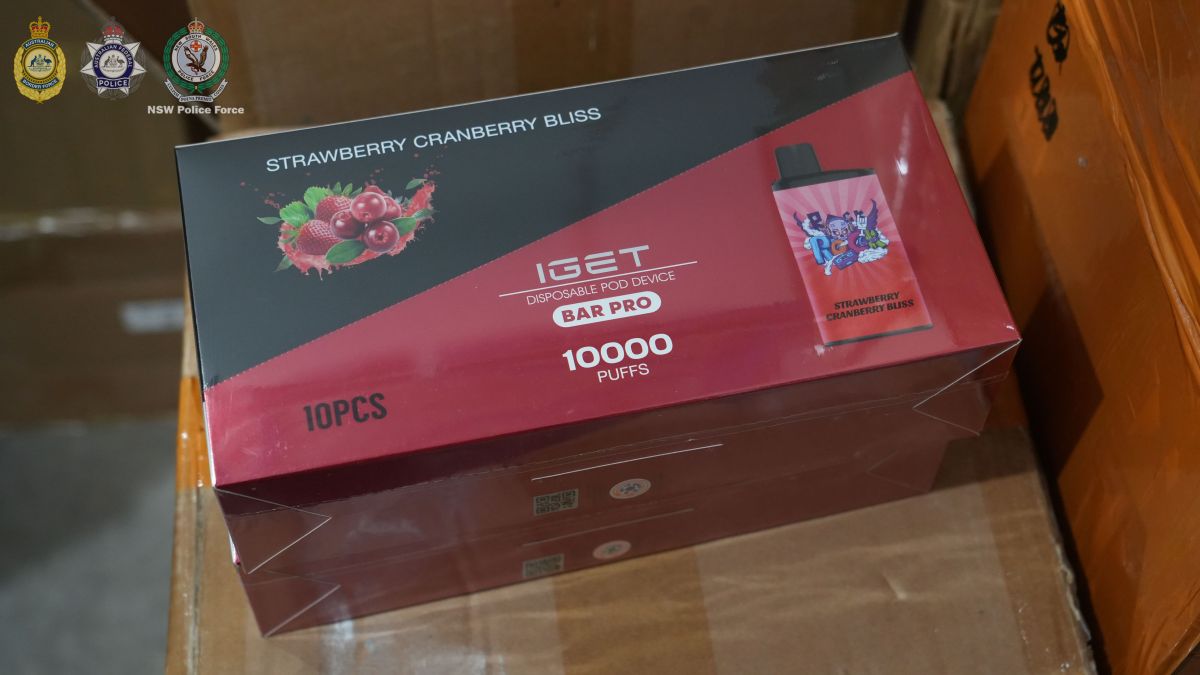
Australian authorities have disclosed two major enforcement actions that go beyond product seizures and retail closures to examine how illicit tobacco and vape networks operate. On Aug. 14, the Multi Agency Strike Team said seven people had been charged and two criminal networks were valued by authorities at a combined A$80 million, or about US$56.8 million. Investigators allege the groups used bonded warehouses, freight businesses and “trusted insiders” in legitimate industries to circumvent border controls. In a separate operation on Aug. 11, more than 100 service stations were targeted as authorities sought information on illicit tobacco importation, distribution networks and the movement of sales proceeds.
Aug.17