What impact a ban on certain e-cigarettes can have on community health and keep them from minors

Industry InsightMarket
Jul.11.2022

As one of America’s biggest e-cigarette companies takes on the Food and Drug Administration to keep their products from being banned, local vape shops and medical experts differ on how this would keep nicotine out of the hands of minors and get people off cigarettes.  


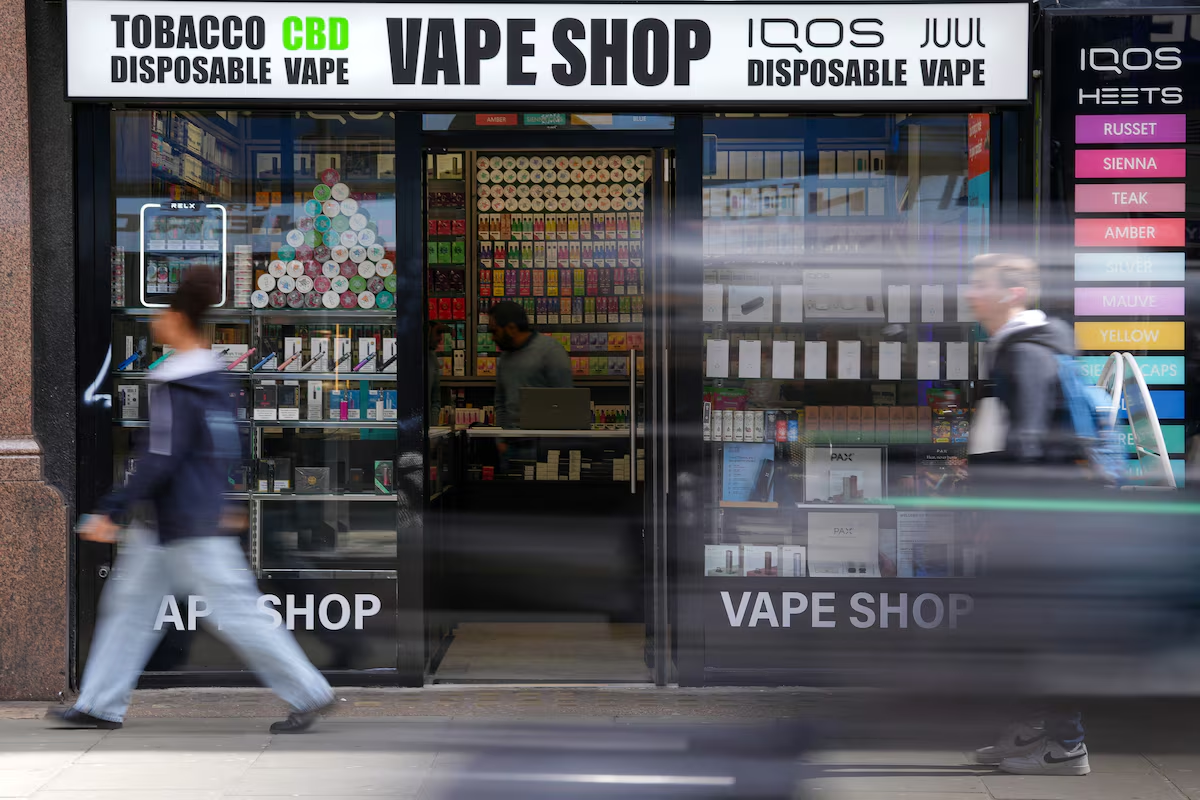
The FDA accused Juul of lacking sufficient evidence to show its products and marketing can still protect public health. As the ban awaits a ruling by the U.S Court of Appeals, local vape shops are concerned that targeting the tobacco industry can get in the way of them running their shops in a safe environment.  


In their marketing denial order, the FDA believes Juul submitted conflicting data to show their products had no harmful chemicals in their E-Liquid pods, which may contribute to the rise in youth vaping. Andrew Sheldon, the owner of Puff Palace vape shop, explained these various flavors are intended for adults to help quit cigarettes.  


“I think adults looking to quit smoking benefit from having flavors to choose from besides tobacco,” Sheldon said. “I think everyone should be doing what they’re supposed to be doing and not selling to minors.”


Despite calling for a ban, the FDA stated they have not received any clinical information that Juul devices pose an immediate hazard, but doctors with Rochester Regional Health are concerned the side effects of its usage can be deadly.  


“Having breathing issues all the way to infection,” Dr. Susan Jackson said. “With pneumonia and we have actually had patients who lost their lives due to side effects from e-cigarettes.”  


With regulations against Big Tobacco constantly changing, local vape shops argue they can’t keep up, forcing many to close where sales are strictly regulated to sell authorized products to adults only, pushing sales onto the streets where minors get a hold of them.  


“They put a 20% tax on the liquids, there have been different flavor bans,” Sheldon said. “It’s chaos and people realized it’s time to get out. This isn’t to say it’s most convenient stores but there are some out there where they don’t I.D.”


While Andrew is not a big fan of what Juul offers or carries a lot of it in his inventory, he has noticed more cigarette smokers benefit from switching to vape products than using less nicotine over longer periods of time.


“Start with the nicotine they need to start with then go down where there’s lots of control over nicotine content,” Sheldon added. “Because a lot of people are looking to transition off the nicotine.”  


Local vape shops like Puff Palace add within legit e-cigarette shops customers can work one on one with staff to know exactly what they’re looking for without overdoing the nicotine level. The U.S Court of Appeals could make a ruling on this decision to permanently ban Juul products as early as July 12th. 


The content excerpted or reproduced in this article comes from a third-party, and the copyright belongs to the original media and author. If any infringement is found, please contact us to delete it. Any entity or individual wishing to forward the information, please contact the author and refrain from forwarding directly from here.

The Spark of Reason| 2Firsts 2026 New Year Message
Looking ahead to 2026, we do so with genuine anticipation. This will be a milestone year—the dawn of a new era.
Jan.01
PMI Faces Setback in India: Global Regulatory Fragmentation Complicates Its Smoke-Free Transition
India has reaffirmed its 2019 ban on e-cigarettes and heated tobacco devices, effectively blocking Philip Morris International (PMI) from launching IQOS in the country despite years of lobbying. Together with Taiwan, China’s conditional opening of heated tobacco products, and Japan’s planned 2026 excise tax hikes, these moves highlight increasingly divergent national regulatory pathways—an external uncertainty shaping PMI’s smoke-free growth trajectory.
Feb.12
IQOS Japan launches three ILUMA i custom bundle sets with leather wrap and premium ring accessories, on sale from Jan 29
According to IQOS Japan’s official website, the company has introduced three custom bundle sets for its IQOS ILUMA i lineup, combining devices with accessories as bundled offerings, and began rolling them out across multiple sales channels from Jan. 29.
Jan.29 by 2FIRSTS.ai
Arizona e-cigarette shops ordered to pay $460,000 for selling tobacco and nicotine products to minors
Arizona Attorney General Kris Mayes announced Pro Source Supply LLC, Pro Source Vapes LLC, Pro Source CBD LLC, and owner Timothy Kell must pay $460,000 in restitution tied to a lawsuit filed last year alleging illegal sales of tobacco and nicotine products to underage buyers.
Jan.07 by 2FIRSTS.ai
UK, Jersey and Guernsey to Ban Disposable Vapes From Jan. 31 as Island Sell-Through Window Closes
Jersey and Guernsey will enforce a full ban on disposable vapes from Saturday, 31 January 2026, making it illegal for shops to sell them after close of business. Online purchases shipped into the islands will also be targeted, with Guernsey’s Director of Public Health Dr Nicola Brink saying Customs will conduct checks and can seize imported disposables. Refillable vapes are not covered by the ban.
Jan.29 by 2FIRSTS.ai
Special Report|Russia scales back anti-vaping drive, limits ban to single-region trial
After months of debate, Russian lawmakers have retreated from plans for a nationwide vaping ban, opting instead for a single-region pilot. The shift reflects pressure from business groups and fiscal authorities, amid warnings that sweeping prohibitions could fuel illegal trade while undermining efforts to regulate the market.
Jan.22