Singapore Experts warn “vitamin diffusers” are not a healthy alternative to vapes; HSA steps up enforcement

Sep.04.2025
Singapore Experts warn “vitamin diffusers” are not a healthy alternative to vapes; HSA steps up enforcement
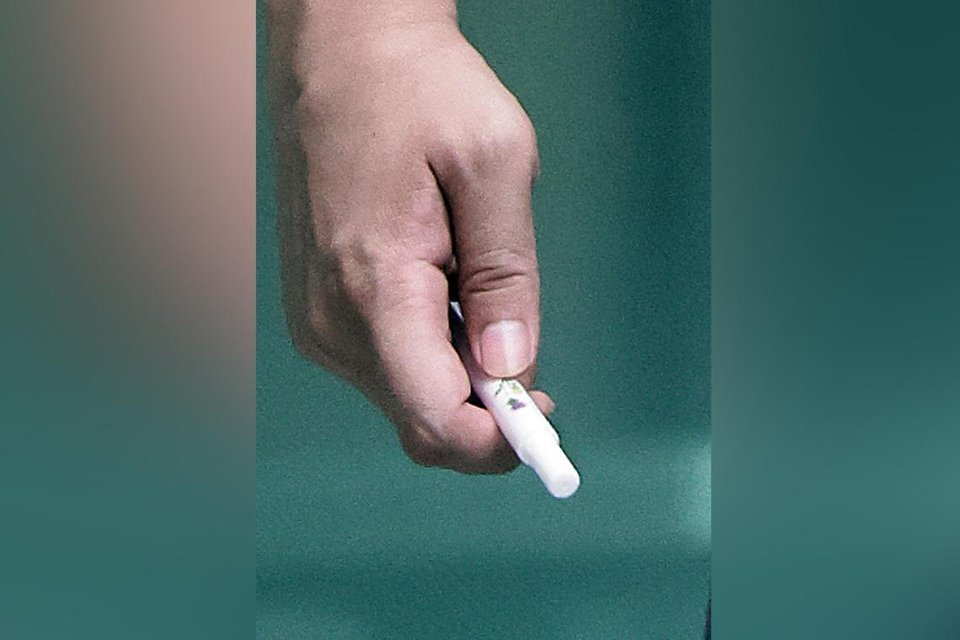
Driven by social media promotion, “vitamin diffusers” are being marketed online as a healthier substitute for e-vaporisers. Singapore respiratory and pharmacy experts caution that ingredient lists are unclear, heating can generate unknown degradants, and there is no medical evidence of health benefits from inhaled vitamins. The Health Sciences Authority (HSA) recently fined a man found with a vitamin diffuser and reminded the public that imitation tobacco products are illegal. Authorities have a

Key points


  • Expert views: Clinicians and researchers say “vitamin diffusers/wellness vapes” may contain undeclared chemicals; heat can create unknown breakdown products; no evidence supports health benefits from inhaled vitamins.


  • Enforcement: On Aug 19, HSA fined a man found using a vitamin diffuser outside the State Courts; buying, using, or possessing imitation tobacco products is an offence, with fines of up to S$2,000.


  • Risk reminder: Experts note past harms from inhaled unknowns, including the 2019 U.S. EVALI outbreak.


2Firsts, September 4, 2025 — Online sellers are promoting “vitamin diffusers” and “vitamin sticks” as a wellness-oriented alternative to e-vaporisers, a trend seen in the UK, Australia, and the United States. Influencer marketing claims these devices can deliver caffeine, vitamin B12, essential oils, or melatonin via inhalation.


Respiratory physician Dr Philip Eng said that history shows inhaling unknown substances can make people ill. Beyond the established risks of tobacco smoking, he pointed to the U.S. EVALI outbreak in 2019. He added there is no medical evidence to support the purported benefits of vitamin diffusers and urged caution before ingesting or inhaling any substance.


Professor Eric Chan, deputy head of research at the National University of Singapore’s Department of Pharmacy, said substances considered safe orally (such as vitamin B12) may still pose risks in vaping devices if other chemicals are present. He cited a 2024 toxicology study in the U.S. on melatonin-laced vape products that detected contaminants, including pharmaceuticals and industrial chemicals. Without health-authority oversight and full ingredient disclosure, undeclared chemicals raise safety concerns, he said. Heat may also degrade vitamins, melatonin, and contaminants into new compounds with unknown safety profiles. Vitamins and supplements, he noted, should be used under medical advice for confirmed deficiencies.


Dr Puah Ser Hon, head of Respiratory and Critical Care Medicine at Tan Tock Seng Hospital, said there is no evidence that inhaled vitamins provide health benefits. Marketing such products as “healthy,” he warned, is misleading and may pose significant risks to respiratory and overall health. He added that device chemicals and the effects of inhalation are not yet fully understood.


HSA stated that although a vitamin diffuser is not an e-vaporiser, it is still an offence under the Tobacco (Control of Advertisements and Sale) Act to purchase, use, or possess imitation tobacco products. Such products are banned because they mimic smoking via devices that may appear harmless, particularly to younger, vulnerable users. Beyond the known risks of inhaling substances not intended for consumption, these items may act as a gateway to cigarettes or even hard drugs.

We welcome news tips, article submissions, interview requests, or comments on this piece.

Please contact us at info@2firsts.com, or reach out to Alan Zhao, CEO of 2Firsts, on LinkedIn


Notice

1.  This article is intended solely for professional research purposes related to industry, technology, and policy. Any references to brands or products are made purely for objective description and do not constitute any form of endorsement, recommendation, or promotion by 2Firsts.

2.  The use of nicotine-containing products — including, but not limited to, cigarettes, e-cigarettes, nicotine pouchand heated tobacco products — carries significant health risks. Users are responsible for complying with all applicable laws and regulations in their respective jurisdictions.

3.  This article is not intended to serve as the basis for any investment decisions or financial advice. 2Firsts assumes no direct or indirect liability for any inaccuracies or errors in the content.

4.  Access to this article is strictly prohibited for individuals below the legal age in their jurisdiction.


Copyright


This article is either an original work created by 2Firsts or a reproduction from third-party sources with proper attribution. All copyrights and usage rights belong to 2Firsts or the original content provider. Unauthorized reproduction, distribution, or any other form of unauthorized use by any individual or organization is strictly prohibited. Violators will be held legally accountable.

For copyright-related inquiries, please contact: info@2firsts.com


AI Assistance Disclaimer


This article may have been enhanced using AI tools to improve translation and editorial efficiency. However, due to technical limitations, inaccuracies may occur. Readers are encouraged to refer to the cited sources for the most accurate information.

We welcome any corrections or feedback. Please contact us at: info@2firsts.com

PMI Pushes Smoke-Free Business in Latin America as Argentina Lifts Heated Tobacco Ban, Mexico City Share Tops 7%
Philip Morris International (PMI) showcased IQOS heated tobacco systems and nicotine pouch products at Technovation 2026 in Buenos Aires on October 7–8, presenting research on consumer attitudes, regulatory developments and illicit cigarette trade across Latin America. PMI Chief Global Growth Officer Stefano Volpetti said smoke-free products accounted for more than 7% of the Mexico City market. Argentina repealed its heated tobacco ban in May 2026 and introduced registration requirements for tobacco and nicotine products, while local media reported nicotine pouch sales in Mendoza. A PMI-commissioned survey found that only 8% of respondents across four Latin American countries were familiar with nicotine pouches. A separate KPMG study estimated illicit cigarette consumption at 77 billion sticks across 11 markets in Latin America and Canada in 2025.
PMI
Oct.13
German Bundestag Passes Tobacco Tax Hikes: Vape Liquid Duty to Reach €0.44/ml, Heated Tobacco Taxes to Rise and Cigarettes Seen Near €12 a Pack
Germany's Bundestag passed amendments to the Tobacco Tax Act on October 15, 2026, setting out annual excise tax increases from 2027 through 2030 for e-cigarette liquids, heated tobacco, cigarettes and other tobacco products. Under the Finance Committee's amended bill, duty on qualifying e-liquids will rise from €0.32/ml in 2026 to €0.44/ml in 2030, an increase of 37.5%. Heated tobacco will retain its tax calculation based on 80% of the corresponding cigarette excise duty. The average price of a 20-cigarette pack is projected to approach €12 by 2030, with some brands potentially reaching €14. The legislation is projected to generate approximately €11.8 billion in additional tax revenue over four years and remains subject to further legislative procedures.
Regulations
Oct.19
Indiana Halts Sales of Elf Bar, Lost Mary, MR FOG and iJOY Vapes Under Foreign-Adversary Rules; Some Products Return After Compliance Filings
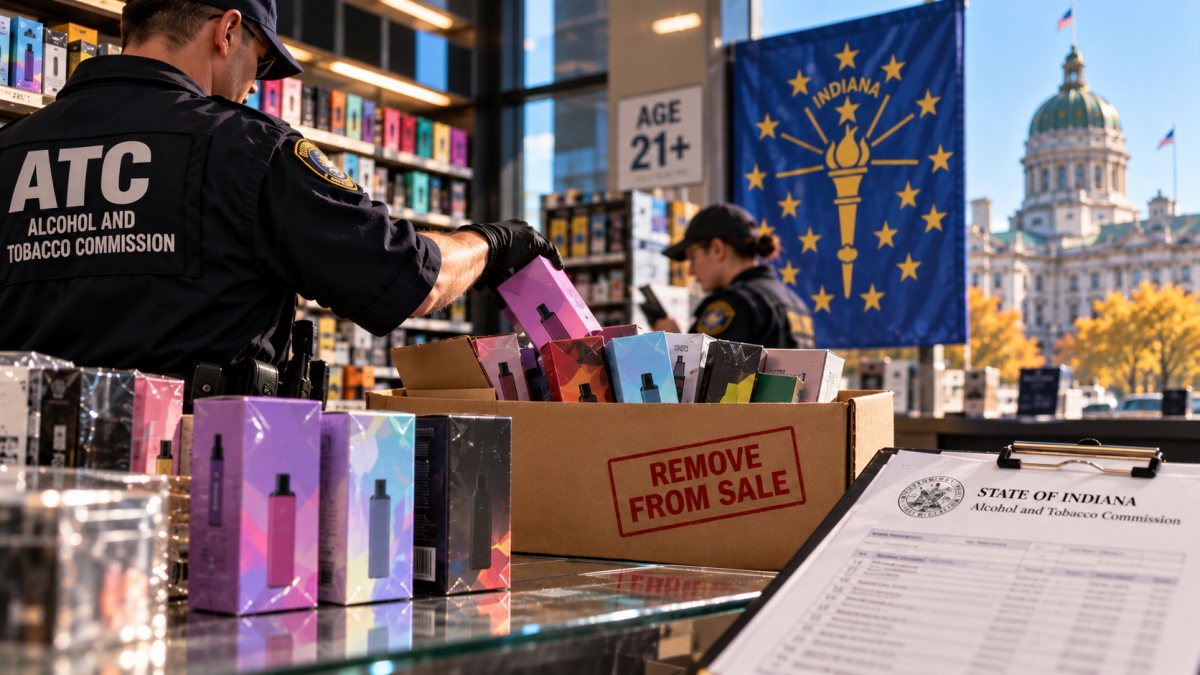
Indiana's Alcohol and Tobacco Commission (ATC) ordered tobacco certificate holders in September to remove certain vaping products marketed under Elf Bar, Lost Mary, MR FOG, iJOY and other brands from inventory under the state's foreign-adversary product law. The agency later listed 257 MR FOG products and 77 Lost Mary product entries as lawful for sale. The Lost Mary revision expressly stated that compliance evidence had been received for 20 additional products. 2Firsts compliance expert Kurt said potential filings could include e-liquid and ingredient-origin records, U.S. nicotine-analog supply-chain documentation and FDA premarket application status.
Regulations
Oct.08
Reynolds Showcases Vuse Pro Flavors and VELO Nicotine Pouches at NACS Show 2026
Reynolds American, a BAT subsidiary, showcased four Vuse Pro flavored e-cigarette pods and its VELO nicotine pouch portfolio at NACS Show 2026. Booth staff confirmed to 2Firsts that the Vuse Pro flavors are sold in the U.S., although they have not received FDA marketing authorization. BAT outlined plans to expand Vuse retail distribution and reported that VELO held a 30.5% year-to-date volume share of the U.S. modern oral nicotine category through August 2026. The booth also featured the newly launched VELO MAX range and merchandising displays combining cigarettes, vaping products and oral nicotine brands.
EXPO
Oct.09
New York’s 75% Wholesale Tax on Nicotine Pouches Takes Effect Sept. 1, With Aug. 31 Inventory Subject to Floor Tax
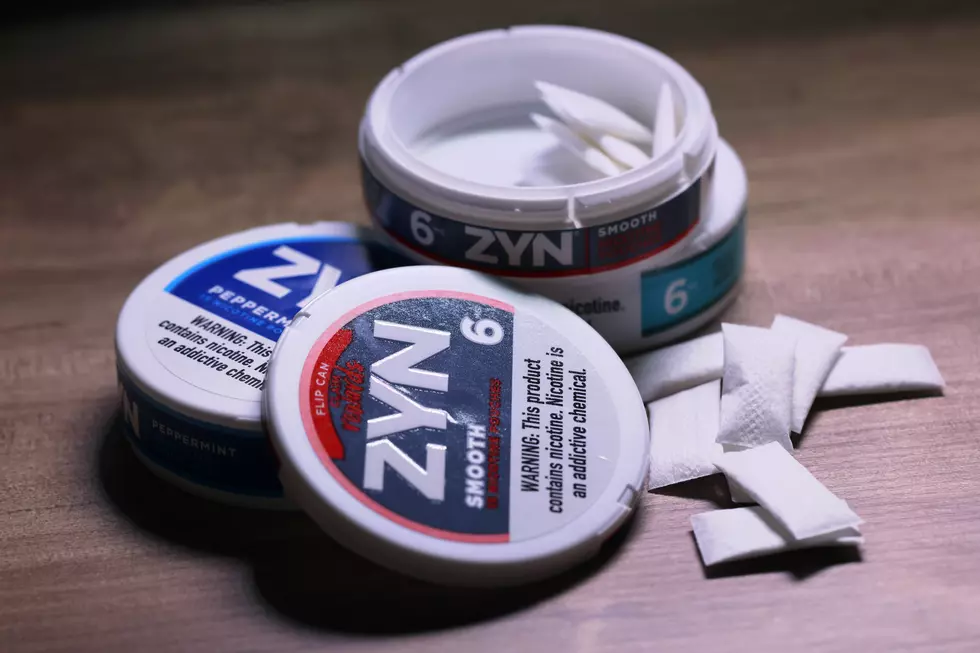
New York State will extend its tobacco products tax to “alternative nicotine products,” including tobacco-free nicotine pouches, from September 1, 2026, at a rate of 75% of the wholesale price. Distributors, wholesalers and retailers must also inventory products held as of 11:59 p.m. on August 31 and pay a floor tax. Vapor products are excluded from the new category and remain subject to New York's separate 20% supplemental sales tax on the retail price.
Aug.26
German Tobacco Tax Revenue Falls 10.8% Through August as Tax-Paid Cigarette Volume Drops 12.6%
Germany collected €9.789 billion in total tobacco tax revenue from January through August 2026, down 10.8% from a year earlier, according to the Federal Ministry of Finance. Germany's tobacco tax base covers not only cigarettes and fine-cut tobacco but also heated tobacco and vaping liquids taxed as tobacco substitutes. The German Association of the Tobacco Industry and Novel Products, or BVTE, citing federal statistical data, said tax-paid cigarette volume fell 12.6% to 40.6 billion sticks. BVTE is using the latest figures to argue against further tax increases planned from 2027 through 2030, while Germany's parliament is scheduled to hold a first reading of the bill on September 24.
Sep.23