WHO Urges Malaysia to Regulate E-Cigarettes Amidst Vaping Epidemic.

Jun.05.2023
WHO Urges Malaysia to Regulate E-Cigarettes Amidst Vaping Epidemic.
WHO urges Malaysia to regulate e-cigarettes as they are a trap; many underage children fall into addiction.

On June 3, according to CodeBlue, a Malaysian health website, the Director-General of the World Health Organization (WHO), Tedros Adhanom Ghebreyesus, urged the Malaysian government to regulate electronic cigarettes. Previously, the Malaysian government had lifted restrictions on these nicotine products without any limitations in place.


Tedros Adhanom Ghebreyesus responded during a World Health Organization press conference.


When the tobacco industry introduced e-cigarettes, they tried to instill the belief that it was a part of harm reduction. However, this is not the case.


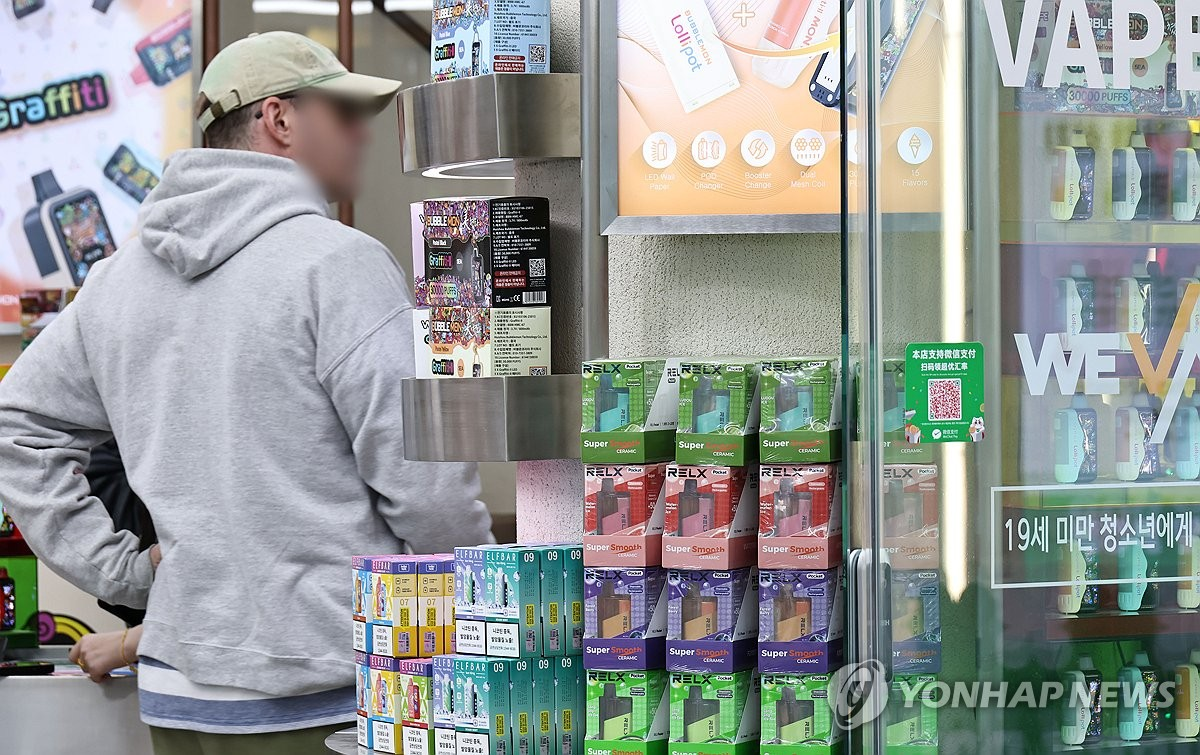
According to Tedros Adhanom, electronic cigarettes are actually a trap. Children as young as 10, 11, and 12 years old start using electronic cigarettes because they think they are cool due to their various colors and flavors, among other things. As a result, they become addicted for life.


Furthermore, most people will eventually switch back to regular cigarettes.


Dr. Tedros noted that recent studies have indicated that many minors have started using e-cigarettes, and that there has been an increase in advertising for these products both in and around schools.


So, it is necessary to carry out supervision and must be taken seriously.


According to a nationwide study on the health of Malaysian adolescents conducted in 2022 by the Public Health Research Institute of the Malaysian Ministry of Health, the proportion of secondary school students between the ages of 13 and 17 who currently use electronic cigarettes has increased from 9.8% in 2017 to 14.9% in 2022.


Previously reported by 2FIRSTS, the Malaysian government has decided to approve an amendment to the Dangerous Drugs Act 1952, allowing for the legalization of nicotine-containing products. Prime Minister Anwar Ibrahim has promised that the Tobacco Product and Smoking Control Bill (GEG Bill) will be submitted to the lower house of parliament in May to ensure comprehensive regulation of products containing nicotine.


However, the implementation of the bill has been repeatedly delayed. According to the latest parliamentary schedule in Malaysia, the Public Health (Control of Smoking Products) Bill 2023 will undergo its first reading in Parliament. This marks the second edition of the bill, as it failed to pass in the 14th parliamentary session.


Reference: [1] The Director-General of the World Health Organization (WHO) has urged Malaysia to protect its citizens from being trapped in vaping, according to an article published by CodeBlue on June 3, 2023. [Link]


Disclaimer

This article is provided solely for professional research, industry discussion, and informational purposes. Any references to brands, companies, products, technologies, or policies are made for factual reporting and analytical purposes only, and do not constitute endorsement, recommendation, promotion, or advertising by 2Firsts.

Nicotine-containing products, including but not limited to cigarettes, e-cigarettes, heated tobacco products, and nicotine pouches, carry significant health risks. Readers are responsible for complying with all applicable laws and regulations in their respective jurisdictions, including age restrictions and access limitations.

The information contained in this article should not be regarded as investment, legal, medical, regulatory, or commercial advice. While 2Firsts strives to ensure the accuracy and reliability of its content, it does not assume liability for any direct or indirect loss arising from errors, omissions, inaccuracies, or reliance on the information contained herein.

This article is not intended for individuals below the legal age for accessing tobacco or nicotine-related information in their jurisdiction.


Copyright Notice

This article is either original content produced by 2Firsts or content reproduced, translated, summarized, or adapted from third-party sources with attribution where applicable. The intellectual property rights of the original content remain with 2Firsts or the respective original rights holders.

No individual or organization may copy, reproduce, distribute, republish, modify, translate, or otherwise use this content without prior authorization. Any unauthorized use may result in legal action.

For copyright-related inquiries, corrections, or removal requests, please contact: info@2firsts.com.


AI-Assisted Translation and Editing Notice

Portions of this article may have been translated, edited, or reviewed with the assistance of artificial intelligence tools to improve efficiency and readability. Due to the limitations of AI-assisted translation and editing, discrepancies, omissions, or inaccuracies may exist when compared with the original source.

Where applicable, readers are advised to refer to the original source for the most complete and accurate information. If you identify any errors or believe that any content infringes upon your rights, please contact us at info@2firsts.com, and we will review and address the matter promptly.

New York’s 75% Wholesale Tax on Nicotine Pouches Takes Effect Sept. 1, With Aug. 31 Inventory Subject to Floor Tax
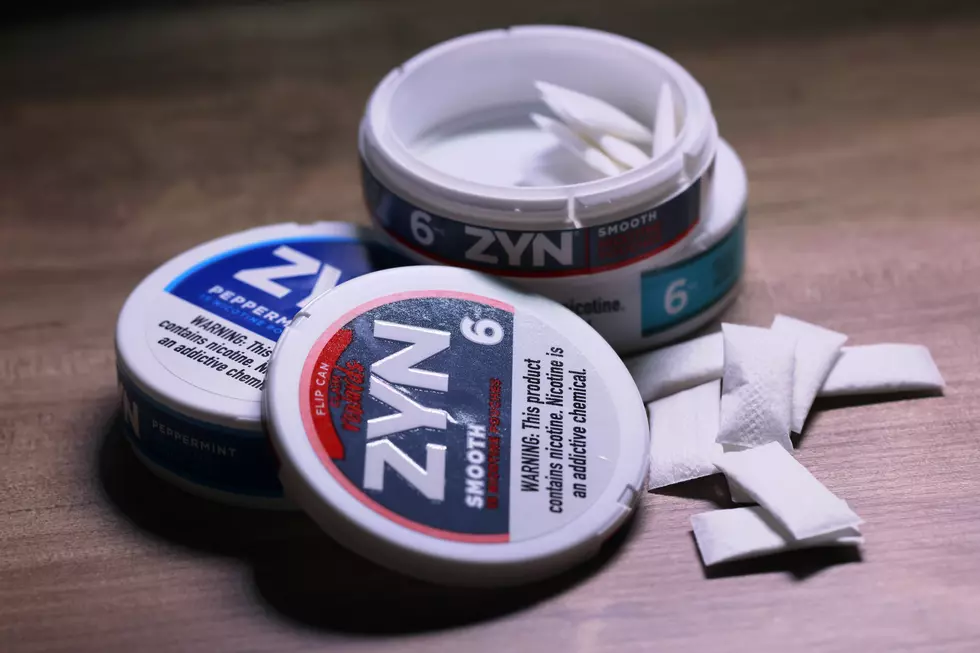
New York State will extend its tobacco products tax to “alternative nicotine products,” including tobacco-free nicotine pouches, from September 1, 2026, at a rate of 75% of the wholesale price. Distributors, wholesalers and retailers must also inventory products held as of 11:59 p.m. on August 31 and pay a floor tax. Vapor products are excluded from the new category and remain subject to New York's separate 20% supplemental sales tax on the retail price.
Aug.26
China Tobacco Plans CNY 60 Billion Investment in ICBC, Agricultural Bank as Strategic Ties Extend Beyond Equity
China National Tobacco Corporation and several subsidiaries plan to invest a combined CNY 60 billion ($8.7 billion) in share placements by Industrial and Commercial Bank of China and Agricultural Bank of China as strategic investors. The agreements extend beyond equity investment to corporate governance, banking services and supply-chain finance. The filings also disclose 2025 data on China Tobacco’s tax and profit contributions and industry scale.
Sep.07
Kuwait Tightens Tobacco and Nicotine Rules, Bans Under-21 Sales and Extends Public Smoking Restrictions to Vapes and Heated Tobacco
Kuwait has issued a comprehensive new regulatory framework covering tobacco, e-cigarettes, heated tobacco and other nicotine products. Ministerial Decision No. 237 of 2026, signed by Health Minister Ahmad Al-Awadhi, will take effect on January 1, 2027. The rules prohibit sales to people under 21 and ban sales through websites, apps, social media and delivery services. E-cigarettes and heated tobacco products will also be treated as smoking in public and enclosed places where smoking is prohibited. Nicotine pouches and other oral nicotine products not registered as medicines are banned.
Regulations
Aug.17 by 2Firsts Perspectives
South Korea Fully Reviews Nicotine-Analog and Nicotine-Free Vape Liquid Imports, With Over 99% From China and Chinese Supply-Chain Documents Under Scrutiny
Korea Customs Service has tightened import controls on nicotine-analog and nicotine-free e-cigarette liquids, placing the products under 100% document review and subjecting all e-cigarette liquid import declarations to pre-clearance ingredient analysis. As of September 20, 2026, South Korea had imported about 15 metric tons of nicotine-analog liquids, 99.99% from China, and about 316 metric tons of nicotine-free liquids, including roughly 315 metric tons, or 99.7%, from China. The measures follow South Korea's April expansion of its tobacco definition to include synthetic nicotine products and include new checks on Chinese manufacturing, transaction and export documentation.
Sep.24
RLX Technology Dropped From FTSE All-World as International Business Reaches 68.5% of Q2 Revenue
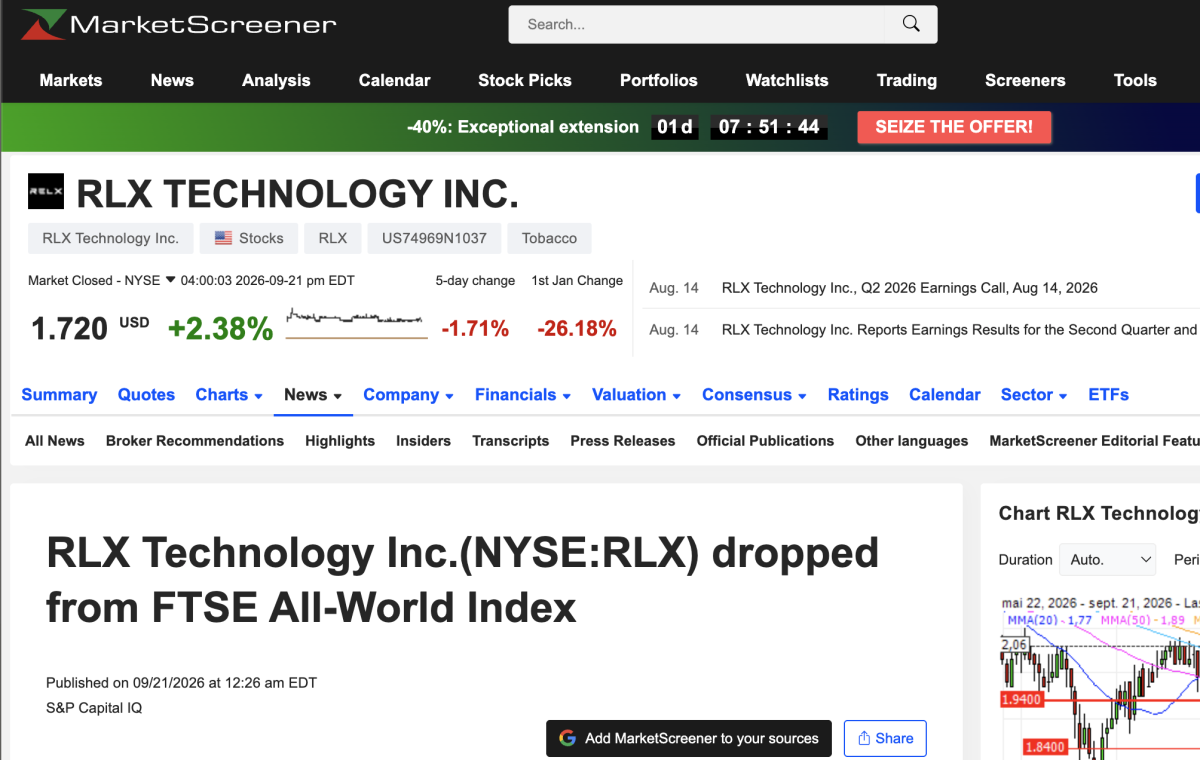
RLX Technology (NYSE: RLX) has been removed from the FTSE All-World Index, effective September 21. FTSE Russell records show RLX was already part of its global equity index universe by 2022, when its American depositary receipts were classified as China Large Cap securities. Trading volume rose to about 44.77 million shares on September 18, roughly 23 times the previous session's volume. RLX reported RMB1.0105 billion in second-quarter revenue, up 14.8% year over year, with international operations contributing 68.5%. The company also acquired a 51% stake in one of Western Europe's largest distributors of next-generation smoke-free and FMCG products in July.
Sep.22
Germany Probes 7.6 Million Illegal Vape Case With Estimated €33.3 Million Tax Loss; Four Chinese Manufacturer Employees Under Investigation, Some Packaging in Enforcement Images Resembles FUMOT Products
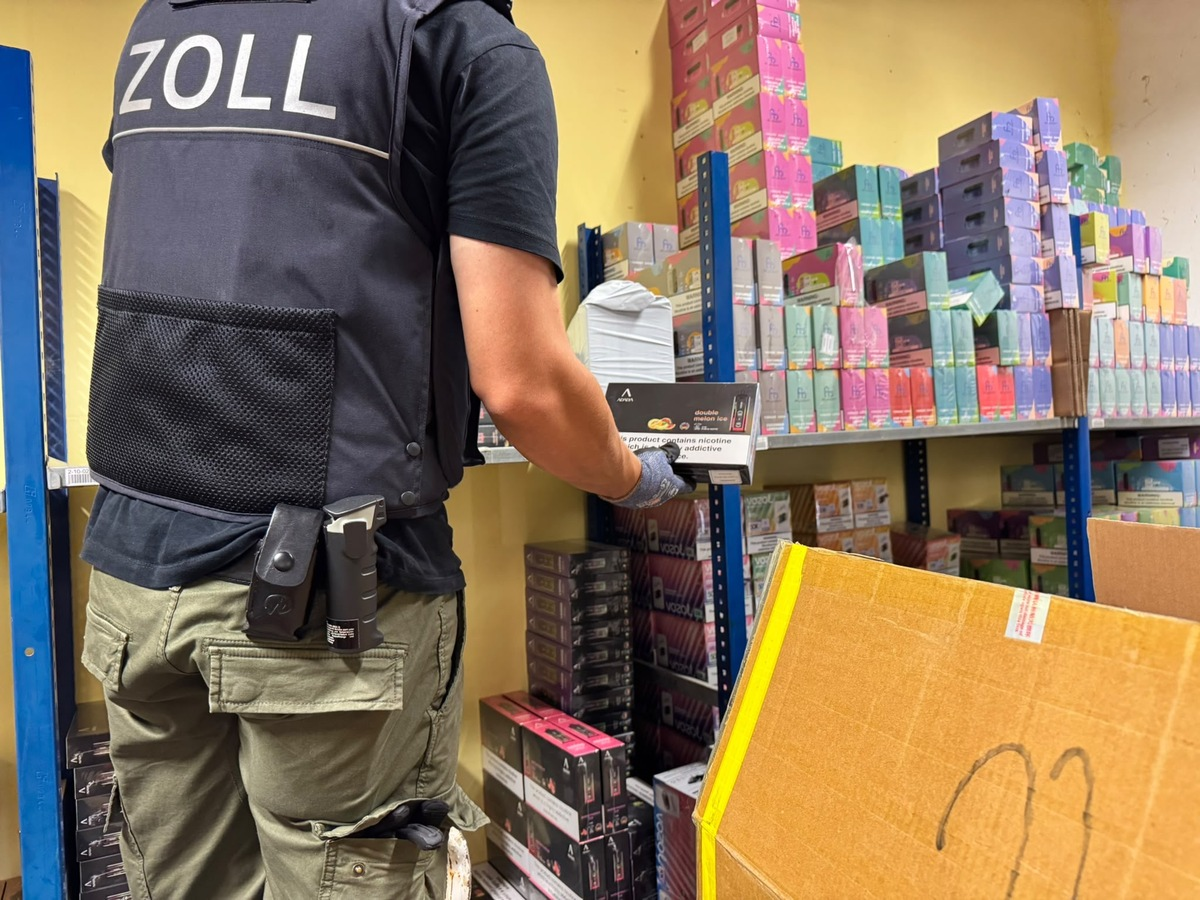
German prosecutors and customs authorities are conducting a criminal investigation into an alleged cross-border organised vape network. Authorities say that between January 2024 and March 2025, four employees of an unnamed Chinese e-cigarette manufacturer allegedly built a network of sales agents and wholesalers that brought more than 7.6 million nicotine disposable vapes into Germany, causing an estimated €33.3 million in excise-tax losses. The manufacturer has not been named. Some products visible in enforcement images have packaging resembling products from FUMOT’s portfolio. European regulatory records from 2024, FUMOT’s public overseas-sales materials and records involving German vape importer and distribution company Zamu-Pro GmbH also show FUMOT/RandM products and German distribution activity during the period covered by the investigation.
Sep.21