Announcement Regarding the Implementation of a Consumption Tax on Electronic Cigarettes
Announcement by the Ministry of Finance, General Administration of Customs, and State Administration of Taxation.
Issue 33 of the year 2022.
To improve the consumption tax system, maintain tax fairness and unity, and better leverage the role of consumption tax in promoting healthy consumption, the following announcement is made regarding the imposition of consumption tax on electronic cigarettes.
1. Regarding tax categories and taxable entities.
Electronic cigarettes will be included in the scope of consumption tax and a sub-category for electronic cigarettes will be added under the tobacco tax.
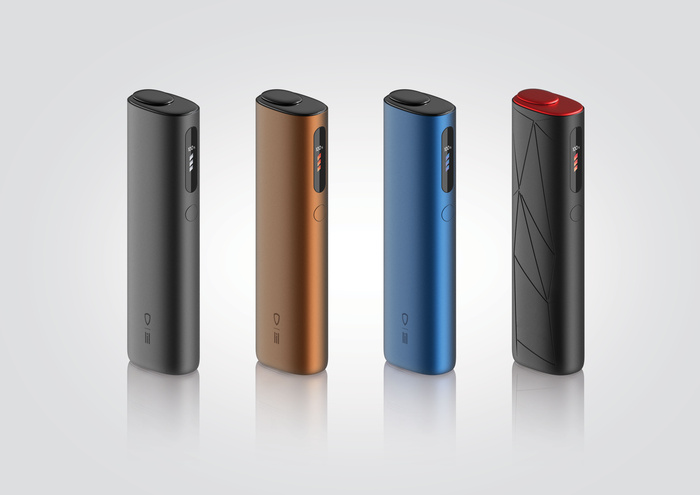
Electronic cigarettes are electronic devices that produce an aerosol for inhalation, often sold in combination with pods or other smoking accessories. Pods are electronic cigarette components that contain vaporized substances, while smoking accessories refer to the devices that aerosolize those substances into inhalable aerosols.
2. Regarding Taxpayers
The production (import), and wholesale of electronic cigarettes within the territory of the People's Republic of China are subject to consumer tax, payable by both individuals and corporate entities.
The taxpayer in the production process of electronic cigarettes refers to companies that have obtained a tobacco monopoly production license and have obtained or been licensed to use other people's registered trademarks (referred to as holders of trademarks) for electronic cigarette products. Those who produce electronic cigarettes through processing on their behalf must pay consumption tax to the trademark holder. The taxpayer in the wholesale link of electronic cigarettes refers to companies that have obtained a tobacco monopoly wholesale business license and operate electronic cigarette wholesale business. The taxpayer in the import link of electronic cigarettes refers to individuals and units that import electronic cigarettes.
3. Regarding the Applicable Tax Rate
Electronic cigarettes will be taxed based on their price. The tax rate for production (imported) will be 36%, while the tax rate for wholesale will be 11%.
4. Regarding the taxable price
Taxpayers who produce or wholesale electronic cigarettes are required to pay taxes based on the sales volume of such products. In cases where electronic cigarettes are sold through consignment by taxpayers in the production process, taxes are calculated based on sales made to wholesale enterprises by dealers or agents. Taxpayers who import electronic cigarettes are required to pay taxes based on the taxable price composition.
Taxpayers engaged in electronic cigarette production and outsourcing businesses must separately account for the sales revenues of their trademarked electronic cigarettes and those of outsourced electronic cigarettes. Failure to do so will result in being subject to a combined consumption tax.
Fifth, Regarding Import and Export Policies.
Taxpayers who export electronic cigarettes are eligible for export tax refund or exemption policies.
Electronic cigarettes will be added to the list of imported goods for border trade, and will not be exempt from taxes and will be taxed according to regulations.
Apart from the above regulations, individuals carrying or mailing electronic cigarettes into the country will be subject to consumption tax in accordance with relevant State Council regulations. Other issues related to consumption tax on electronic cigarettes will be implemented in accordance with the Interim Measures for the Administration of Consumption Tax of the People's Republic of China and the Implementation Rules of the Interim Measures for the Administration of Consumption Tax of the People's Republic of China.
This announcement will take effect from November 1, 2022.
This is an official announcement.
This article contains excerpts or reprints from third-party sources, whose copyrights belong to the original media and authors. If there is any infringement, please contact us for deletion. Any organization or individual wishing to reprint should contact the author and not directly repost.
Disclaimer
This article is provided solely for professional research, industry discussion, and informational purposes. Any references to brands, companies, products, technologies, or policies are made for factual reporting and analytical purposes only, and do not constitute endorsement, recommendation, promotion, or advertising by 2Firsts.
Nicotine-containing products, including but not limited to cigarettes, e-cigarettes, heated tobacco products, and nicotine pouches, carry significant health risks. Readers are responsible for complying with all applicable laws and regulations in their respective jurisdictions, including age restrictions and access limitations.
The information contained in this article should not be regarded as investment, legal, medical, regulatory, or commercial advice. While 2Firsts strives to ensure the accuracy and reliability of its content, it does not assume liability for any direct or indirect loss arising from errors, omissions, inaccuracies, or reliance on the information contained herein.
This article is not intended for individuals below the legal age for accessing tobacco or nicotine-related information in their jurisdiction.
Copyright Notice
This article is either original content produced by 2Firsts or content reproduced, translated, summarized, or adapted from third-party sources with attribution where applicable. The intellectual property rights of the original content remain with 2Firsts or the respective original rights holders.
No individual or organization may copy, reproduce, distribute, republish, modify, translate, or otherwise use this content without prior authorization. Any unauthorized use may result in legal action.
For copyright-related inquiries, corrections, or removal requests, please contact: info@2firsts.com.
AI-Assisted Translation and Editing Notice
Portions of this article may have been translated, edited, or reviewed with the assistance of artificial intelligence tools to improve efficiency and readability. Due to the limitations of AI-assisted translation and editing, discrepancies, omissions, or inaccuracies may exist when compared with the original source.
Where applicable, readers are advised to refer to the original source for the most complete and accurate information. If you identify any errors or believe that any content infringes upon your rights, please contact us at info@2firsts.com, and we will review and address the matter promptly.