Argentinian City Implements Strict Smoking Ban in Public Areas

Regulations by 2FIRSTS.ai
Apr.26.2024
Argentinian City Implements Strict Smoking Ban in Public Areas
Mendoza City Council tightens smoking restrictions in public areas, including parks and schools, to protect citizens' health.

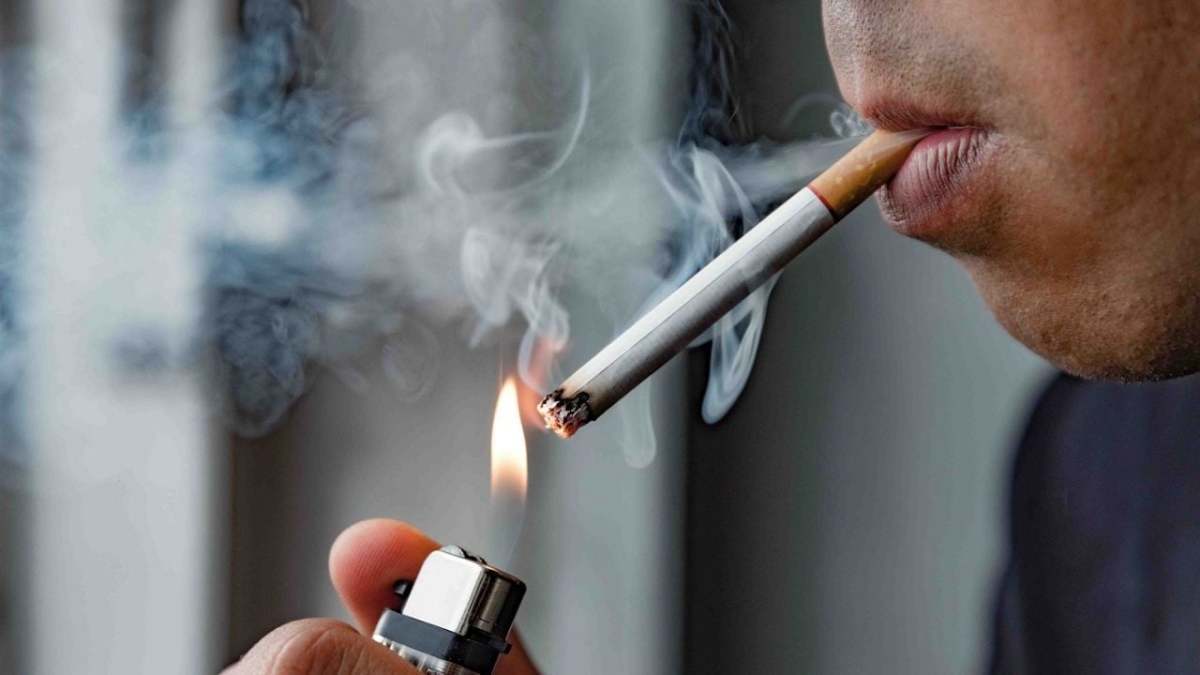
According to a report by Mdzol on April 25, the City Council of Mendosa, Argentina recently made a significant adjustment to the "Citizen's Code of Conduct" to strictly limit smoking in public places. The City Council has clearly stipulated that smoking will be prohibited in many public places such as parks, squares, pedestrian streets, and educational institutions.


The main content of this amendment is the prohibition of smoking or using e-cigarettes and other vaping devices in public places, especially areas with children's play areas, beaches, fitness tracks, and sports activity areas. Additionally, according to the newly revised Article 49 clause, smoking is also banned in children's entertainment areas, areas for children and adults seeking medical treatment, and nursing homes that are open all day.


In order to ensure the implementation of the new regulations, the city government will set up information signs in designated smoke-free zones and will collaborate with the education department.


We welcome news tips, article submissions, interview requests, or comments on this piece.

Please contact us at info@2firsts.com, or reach out to Alan Zhao, CEO of 2Firsts, on LinkedIn


Notice

1.  This article is intended solely for professional research purposes related to industry, technology, and policy. Any references to brands or products are made purely for objective description and do not constitute any form of endorsement, recommendation, or promotion by 2Firsts.

2.  The use of nicotine-containing products — including, but not limited to, cigarettes, e-cigarettes, nicotine pouchand heated tobacco products — carries significant health risks. Users are responsible for complying with all applicable laws and regulations in their respective jurisdictions.

3.  This article is not intended to serve as the basis for any investment decisions or financial advice. 2Firsts assumes no direct or indirect liability for any inaccuracies or errors in the content.

4.  Access to this article is strictly prohibited for individuals below the legal age in their jurisdiction.


Copyright


This article is either an original work created by 2Firsts or a reproduction from third-party sources with proper attribution. All copyrights and usage rights belong to 2Firsts or the original content provider. Unauthorized reproduction, distribution, or any other form of unauthorized use by any individual or organization is strictly prohibited. Violators will be held legally accountable.

For copyright-related inquiries, please contact: info@2firsts.com


AI Assistance Disclaimer


This article may have been enhanced using AI tools to improve translation and editorial efficiency. However, due to technical limitations, inaccuracies may occur. Readers are encouraged to refer to the cited sources for the most accurate information.

We welcome any corrections or feedback. Please contact us at: info@2firsts.com

Special Report|FDA Revises Device Name in Glas Vape Authorization; Company Signals Optimism on Menthol, Flavored Pods
The FDA updated public records on the PMTA authorization of a Glas vape product, renaming “Glas G Device” to “Glas G² Device” and releasing the order letter detailing scientific review and marketing restrictions. Company disclosures suggest the platform may include age-verification technology. If confirmed, Glas G² could be the first vape with device-level age verification to receive an FDA MGO. Glas executives also said menthol and other flavored pods could gain authorization in the future.
Special Report
Mar.14
Study Says Europe’s Illicit Disposable Vape Market to Reach EUR 6.6 Billion in 2026
A new study by the Fraunhofer Institute says the rapidly expanding illicit market for disposable e-cigarettes is undermining European regulation, fuelling youth vaping and causing significant tax losses. The study says the illicit market is worth EUR 6.6 billion in 2026 and is projected to rise to EUR 10.8 billion by 2030. It adds that a significant share of the disposable vape market now operates outside the regulatory framework established by the EU Tobacco Products Directive.
Mar.13 by 2FIRSTS.ai
Imperial Brands Launches Red, Gold and Silver iD Heated Tobacco Sticks in Europe
Imperial Brands PLC said on February 18, 2026 that it has launched its new Red, Gold and Silver iD heated tobacco sticks in Greece and Poland, with a broader rollout across Europe planned for 2026.
Feb.18
Philip Morris and BAT’s Nicoventures Win EPO Appeal to Revoke VMR Vape Patent
The EPO Technical Board of Appeal 3.2.02 (T 1319/24) revoked VMR Products LLC’s EP3613453 “VAPORIZER” patent after finding that a 2012 YouTube video of the Innokin iTaste VV (D3) disclosed the claimed electrical contact arrangement. Opponents Nicoventures Trading Ltd (BAT subsidiary) and Philip Morris Products S.A. prevailed.
BATPMI
Feb.17
West Virginia Governor Signs Bill Directing USD 2.9 Million From Juul Settlement to Youth Tobacco Prevention
The American Cancer Society Cancer Action Network said West Virginia Governor Patrick Morrisey has signed House Bill 5691 into law, directing USD 2.9 million from the Juul settlement to youth tobacco prevention and programs that help people quit. The bill is a supplemental appropriation measure, and the Legislature’s bill history shows it passed the House on March 11, passed the Senate on March 13 and was sent to the governor on March 18.
Mar.20 by 2FIRSTS.ai
Can hookah go institutional? A hookah company seeking to go public makes its case with capital, technology and regulation
2Firsts explored whether hookah can evolve into a more mature and governable category by interviewing Dubai-based hookah company AIR. AIR argues that strong margins, OOKA’s closed-system model and the prospect of differentiated regulation could support that shift. The larger question is whether this is simply AIR’s capital-markets narrative, or an early sign that competition, regulation and category boundaries in hookah are beginning to change.
Apr.02