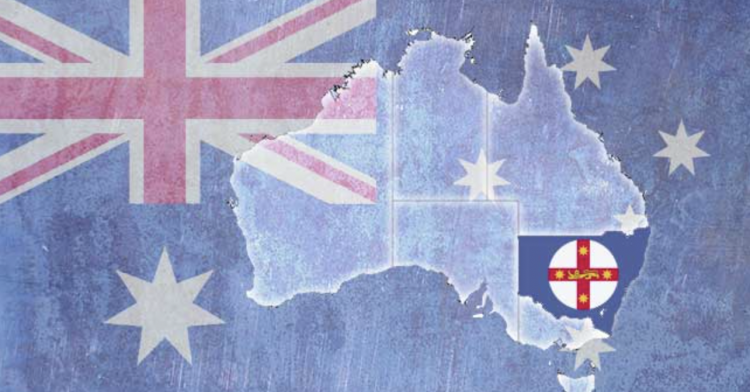
Since October, it has been illegal for retailers in Australia to sell e-cigarette products without a doctor's prescription. State law enforcement officers have been conducting spot checks on convenience stores, gas stations, and tobacco shops, recruiting undercover teenagers to attempt to purchase these products.
Vicky Sheppard from the public health department of the southeastern Sydney local health district in New South Wales has announced that a recent inspection was conducted due to the increasing number of high school students using e-cigarettes. She stated that this figure has significantly increased in 2021. "We are currently in discussions with principals who are very aware and concerned about the growing number of young people using e-cigarettes. Unfortunately, we have received reports of e-cigarette use not only among young students but also among primary school students," Sheppard added.
Similarly, the New South Wales Minister for Education, Sarah Mitchell, has announced a series of actions to address issues within schools. "This is an issue. I mean, obviously we're seeing more e-cigarettes amongst young people; e-cigarettes in schools are increasingly coming to our attention," she said. "Schools are smoke-free environments, and tobacco products, including e-cigarettes, are prohibited from being used on school grounds.
Mitchell added that the Department of Education is currently in discussions with the New South Wales Department of Health to find a holistic approach to addressing the issue. "I do believe that a whole of government - and in fact, whole of community approach - is needed to educate our children about the dangers of vaping and the potential legal impacts," he said. Therefore, an anti-vaping movement is being initiated.
At the same time, Mendelson revealed some inaccurate statements made by the New South Wales campaign team and provided a detailed explanation of each one.
Recently, a public health expert mentioned the regulations in New Zealand where retailers can responsibly sell nicotine products over the counter. However, anyone violating the strict regulations in Australia will face hefty fines and in some cases, even imprisonment.
According to Mendelsohn, while regulations in New Zealand are not perfect, they are a good starting point and Australia should follow suit. "New Zealand's regulations make Australia look bad. They are evidence-based rather than political and ideological. They are a model for good public health policy on e-cigarettes that will save lives.
The requirement for a prescription for nicotine in Australia is complex, expensive and unnecessary, which makes it harder to access e-cigarette products than traditional cigarettes. Is this really what Greg Hunt wants?" he concluded.
Statement:
This article is compiled from third-party information and is intended for industry exchange and learning purposes only.
This article does not represent the views of 2FIRSTS and 2FIRSTS cannot confirm the truthfulness or accuracy of its contents. The translation of this article is only intended for industry communication and research purposes.
Due to limitations in our translation ability, the translated article may not fully express the same meaning as the original. Please refer to the original article for accuracy.
2FIRSTS maintains complete alignment with the Chinese government on any statements or positions related to domestic issues, Hong Kong, Macao, Taiwan, and foreign affairs.
The copyright of compiled information belongs to the original media and author, and please contact us to delete if there is any infringement.
Disclaimer
This article is provided solely for professional research, industry discussion, and informational purposes. Any references to brands, companies, products, technologies, or policies are made for factual reporting and analytical purposes only, and do not constitute endorsement, recommendation, promotion, or advertising by 2Firsts.
Nicotine-containing products, including but not limited to cigarettes, e-cigarettes, heated tobacco products, and nicotine pouches, carry significant health risks. Readers are responsible for complying with all applicable laws and regulations in their respective jurisdictions, including age restrictions and access limitations.
The information contained in this article should not be regarded as investment, legal, medical, regulatory, or commercial advice. While 2Firsts strives to ensure the accuracy and reliability of its content, it does not assume liability for any direct or indirect loss arising from errors, omissions, inaccuracies, or reliance on the information contained herein.
This article is not intended for individuals below the legal age for accessing tobacco or nicotine-related information in their jurisdiction.
Copyright Notice
This article is either original content produced by 2Firsts or content reproduced, translated, summarized, or adapted from third-party sources with attribution where applicable. The intellectual property rights of the original content remain with 2Firsts or the respective original rights holders.
No individual or organization may copy, reproduce, distribute, republish, modify, translate, or otherwise use this content without prior authorization. Any unauthorized use may result in legal action.
For copyright-related inquiries, corrections, or removal requests, please contact: info@2firsts.com.
AI-Assisted Translation and Editing Notice
Portions of this article may have been translated, edited, or reviewed with the assistance of artificial intelligence tools to improve efficiency and readability. Due to the limitations of AI-assisted translation and editing, discrepancies, omissions, or inaccuracies may exist when compared with the original source.
Where applicable, readers are advised to refer to the original source for the most complete and accurate information. If you identify any errors or believe that any content infringes upon your rights, please contact us at info@2firsts.com, and we will review and address the matter promptly.