Austria Plans to Reform E-cigarette Tax for Increased Revenue

Dec.12.2024
Austria Plans to Reform E-cigarette Tax for Increased Revenue
Austrian authorities plan to introduce new taxes on e-cigarettes, aiming to boost national finances, according to Prensa Latina on Dec. 11.

According to Prensa Latina's report on December 11th, Austrian authorities are planning to introduce a new tax on e-cigarettes to bring in more funds for the national treasury.


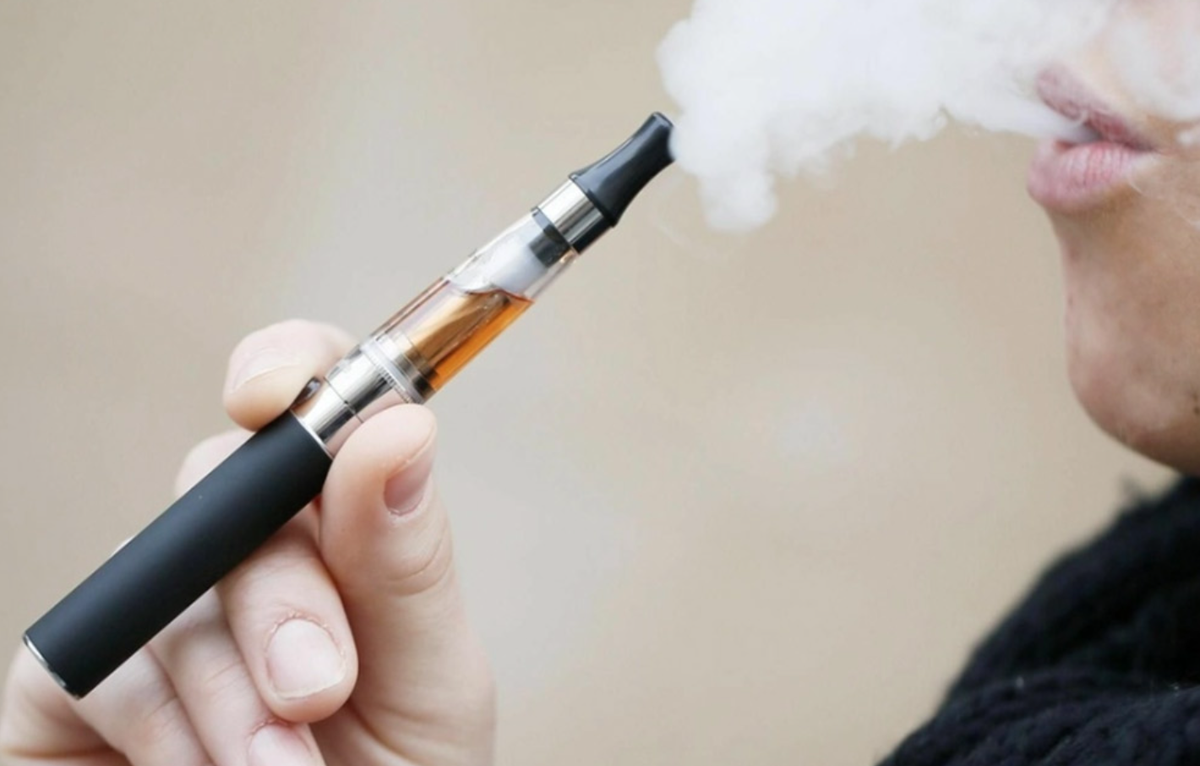
Currently, e-cigarettes and their pods in Austria are only subject to a 20% sales tax, without having to pay a tobacco tax. In contrast, traditional cigarettes are required to pay a 60% tobacco tax.


Hannes Hofer, Director of the Austrian Tobacco Bureau, pointed out that from a public health perspective, this tax structure is clearly difficult to understand. He believes that tobacco sales should be converted to nicotine sales and that shops should be limited in their sales of e-cigarettes and nicotine products.


Hofel also pointed out that currently any bakeries, tire shops, or even cellphone retailers are free to sell these products, which has caught the attention of large retail chains. He emphasized that uncontrolled sales endanger the health of young people, while the demand for tobacco alternative products is growing by 50% annually.


The Austrian government is planning to reform taxation on e-cigarettes, with hopes that this move will increase the country's annual budget by approximately 1 billion euros.


We welcome news tips, article submissions, interview requests, or comments on this piece.

Please contact us at info@2firsts.com, or reach out to Alan Zhao, CEO of 2Firsts, on LinkedIn


Notice

1.  This article is intended solely for professional research purposes related to industry, technology, and policy. Any references to brands or products are made purely for objective description and do not constitute any form of endorsement, recommendation, or promotion by 2Firsts.

2.  The use of nicotine-containing products — including, but not limited to, cigarettes, e-cigarettes, nicotine pouchand heated tobacco products — carries significant health risks. Users are responsible for complying with all applicable laws and regulations in their respective jurisdictions.

3.  This article is not intended to serve as the basis for any investment decisions or financial advice. 2Firsts assumes no direct or indirect liability for any inaccuracies or errors in the content.

4.  Access to this article is strictly prohibited for individuals below the legal age in their jurisdiction.


Copyright


This article is either an original work created by 2Firsts or a reproduction from third-party sources with proper attribution. All copyrights and usage rights belong to 2Firsts or the original content provider. Unauthorized reproduction, distribution, or any other form of unauthorized use by any individual or organization is strictly prohibited. Violators will be held legally accountable.

For copyright-related inquiries, please contact: info@2firsts.com


AI Assistance Disclaimer


This article may have been enhanced using AI tools to improve translation and editorial efficiency. However, due to technical limitations, inaccuracies may occur. Readers are encouraged to refer to the cited sources for the most accurate information.

We welcome any corrections or feedback. Please contact us at: info@2firsts.com

Singapore Schools Enhance Anti-E-cigarette Education with Scenario Discussions and Scientific Evidence
Singapore schools are ramping up anti-vaping education through Character and Citizenship Education (CCE) and science lessons. Classes now use scenario-based discussions—for example, a friend asking you to hide their vape during a random bag check—to help students practise refusal, empathy and seeking help safely.
Oct.22 by 2FIRSTS.ai
U.S. Lawmakers Seek to Empower HHS to Destroy Counterfeit Chinese Tobacco Products
Bipartisan members of the U.S. Congress have introduced the “Ensuring the Necessary Destruction of Illicit Chinese Tobacco Act” (END Act), seeking to amend the Federal Food, Drug, and Cosmetic Act to authorize the Department of Health and Human Services (HHS) to directly destroy adulterated, misbranded, or counterfeit imported tobacco products.Major tobacco companies, including Altria, along with several public health organizations, have announced their support for the bill.
Nov.11 by 2FIRSTS.ai
PMI Compares Smoke-Free Policies in Three Countries: Japan and New Zealand Lead Tobacco Control, While Thailand’s Ban Stalls Harm Reduction
PMI Malaysia says Japan and New Zealand’s regulated smoke-free alternatives have hastened smoking declines, whereas Thailand’s post-2014 ban drives smokers to cigarettes or the black market—evidence, PMI argues, that pairing regulated alternatives with traditional controls could improve public health faster.
Oct.15 by 2FIRSTS.ai
Russian lawmakers propose total ban on e-cigarette sales, in response to Putin's call for protection of youth health
Russian Duma members propose nationwide ban on e-cigarette sales in response to Putin's call for youth health protection.
Nov.28 by 2FIRSTS.ai
South Korea’s Tobacco Law Amendment to Include Synthetic Nicotine, Projected to Add Up to $340 Million in Local Tax Revenue
Following the National Assembly’s approval of amendments to the Tobacco Business Act on September 22, redefining tobacco to include synthetic nicotine, the Korea Institute of Local Finance (KILF) estimates that local governments could gain between $37 million and $340 million in additional tax revenue in 2025 from tobacco consumption and local education taxes.
Nov.19 by 2FIRSTS.ai
U.S. FDA Includes Cytisinicline for Vaping Addiction in National Priority Voucher Program, Shortens Review to 1–2 Months
The U.S. Food and Drug Administration (FDA) has added Cytisinicline, a plant-based therapy developed by Achieve Life Sciences for nicotine vaping addiction, to its new National Priority Voucher (CNPV) program. The initiative shortens drug review timelines from 10–12 months to just 1–2 months, expediting approval for treatments that address major public health needs.
Oct.20 by 2FIRSTS.ai