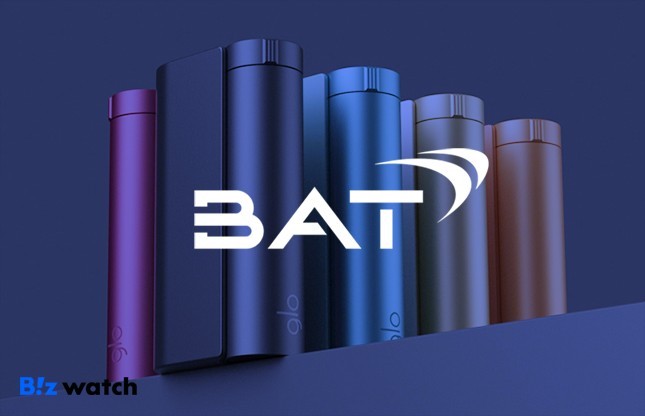
BAT, a leading global tobacco company, has launched its new product, the Vuse, in the form of a liquid-type electronic cigarette. This move is seen as an attempt to break the dominance of KT&G's Lil and Philip Morris' IQOS in the market. Although there are concerns about the negative perception of liquid-type electronic cigarettes, recent studies have shown that they are less harmful compared to traditional cigarettes.
On the 24th of this month, BAT released the Vuse Go 800, a liquid-type e-cigarette with an integrated design that includes both the liquid and battery. Vuse, which is currently the number one liquid-type electronic cigarette brand in the US market, accounted for 46% of the market share as of June 2023, according to a survey by BAT.

Unlike traditional e-cigarettes that heat a stick containing tobacco leaves to produce vapor, liquid-type e-cigarettes heat a liquid containing flavors and nicotine to produce vapor. In the past, there were concerns about the safety of liquid-type e-cigarettes, as Juul, a US tobacco company, was implicated as the cause of severe lung diseases in 2019. However, recent studies have shown that liquid-type e-cigarettes are less harmful compared to traditional cigarettes, leading to a change in public perception.
The Vuse is designed to be a closed system, eliminating the need for cartridge replacement or liquid refilling. It utilizes ceramic heating technology, allowing for immediate use without preheating or changing sticks. The Vuse comes in four different flavors and provides a higher amount of vapor compared to traditional e-cigarettes, with a smoother and less harsh throat hit.
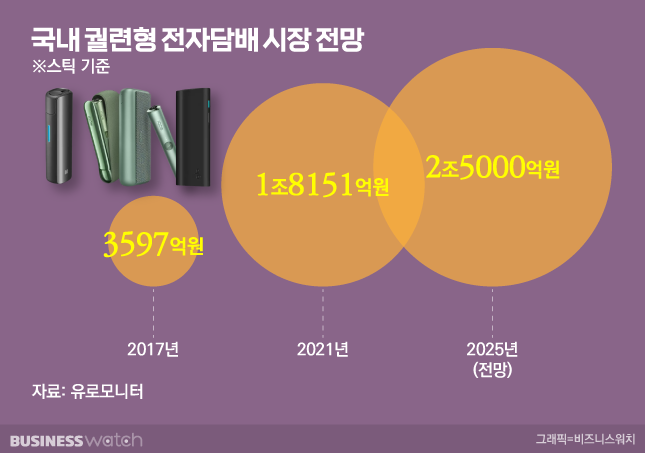
BAT aims to create new demand in the liquid-type e-cigarette market with the Vuse. BAT currently has a market share of 11% in the e-cigarette market, significantly behind KT&G's 49% and Philip Morris' 40%. However, the liquid-type e-cigarette market is still relatively undeveloped, as most tobacco companies discontinued their liquid-type e-cigarette business in 2019. The global market size for liquid-type e-cigarettes is estimated to be around 34 trillion won this year, with the domestic market size expected to reach around 268 billion won.
Although there is a shift in perception towards liquid-type e-cigarettes, the key to the success of BAT's Vuse lies in the perception of domestic consumers. The Ministry of Health and Welfare maintains a negative stance on liquid-type e-cigarettes, which has led to a slump in the domestic market. Additionally, the dominance of traditional e-cigarettes may limit the impact of the growth of liquid-type e-cigarettes.
BAT plans to continue introducing various harm reduction products in the future. Kim Eun-ji, the CEO of BAT, stated that with the launch of the new product, Korean adult smokers will have a wider range of potential harm reduction products to choose from, and they will continue to innovate and lead the market by offering innovative products that resonate with Korean consumers.
Disclaimer
This article is provided solely for professional research, industry discussion, and informational purposes. Any references to brands, companies, products, technologies, or policies are made for factual reporting and analytical purposes only, and do not constitute endorsement, recommendation, promotion, or advertising by 2Firsts.
Nicotine-containing products, including but not limited to cigarettes, e-cigarettes, heated tobacco products, and nicotine pouches, carry significant health risks. Readers are responsible for complying with all applicable laws and regulations in their respective jurisdictions, including age restrictions and access limitations.
The information contained in this article should not be regarded as investment, legal, medical, regulatory, or commercial advice. While 2Firsts strives to ensure the accuracy and reliability of its content, it does not assume liability for any direct or indirect loss arising from errors, omissions, inaccuracies, or reliance on the information contained herein.
This article is not intended for individuals below the legal age for accessing tobacco or nicotine-related information in their jurisdiction.
Copyright Notice
This article is either original content produced by 2Firsts or content reproduced, translated, summarized, or adapted from third-party sources with attribution where applicable. The intellectual property rights of the original content remain with 2Firsts or the respective original rights holders.
No individual or organization may copy, reproduce, distribute, republish, modify, translate, or otherwise use this content without prior authorization. Any unauthorized use may result in legal action.
For copyright-related inquiries, corrections, or removal requests, please contact: info@2firsts.com.
AI-Assisted Translation and Editing Notice
Portions of this article may have been translated, edited, or reviewed with the assistance of artificial intelligence tools to improve efficiency and readability. Due to the limitations of AI-assisted translation and editing, discrepancies, omissions, or inaccuracies may exist when compared with the original source.
Where applicable, readers are advised to refer to the original source for the most complete and accurate information. If you identify any errors or believe that any content infringes upon your rights, please contact us at info@2firsts.com, and we will review and address the matter promptly.