BAT Stock Drops 1.2% Ending Six-Day Rally

BAT by 2FIRSTS.ai
Jan.10.2024
BAT Stock Drops 1.2% Ending Six-Day Rally
BAT stock ends six-day rising streak, decreasing by 1.2% to $30.20. Despite recent gains, overall stock dropped 24% in past year.

According to a report from Seekingalpha, the share price of British American Tobacco (BAT) ended its six-day upward trend on January 9th, experiencing a 1.2% drop during afternoon trading and closing at a price of $30.20.


The company's stock price has risen by approximately 4.3% over the past six trading days. However, overall, the company's stock price has dropped by 24% in the past year, contrasting with the broader S&P 500 index which has seen a 22% increase. On January 8th, the company's shares closed at $30.57, marking a 0.9% increase. For British American Tobacco, the performance in December was mixed, with 11 trading days showing an increase and 9 trading days experiencing a decline.


Among the analysts on Wall Street, three have strongly recommended buying stocks of BAT, while one has given a buy recommendation. One analyst has suggested holding the stock, while no one has recommended selling or strongly selling it.


Earlier last month, the company made a $31.5 billion write-down on the value of its American cigarette brands, which sent shockwaves through the investor community. While some analysts view this as a buying opportunity, analysis reveals concerns among people regarding potential additional expenses that other tobacco companies might incur as a result of BAT's recent write-down.


We welcome news tips, article submissions, interview requests, or comments on this piece.

Please contact us at info@2firsts.com, or reach out to Alan Zhao, CEO of 2Firsts, on LinkedIn


Notice

1.  This article is intended solely for professional research purposes related to industry, technology, and policy. Any references to brands or products are made purely for objective description and do not constitute any form of endorsement, recommendation, or promotion by 2Firsts.

2.  The use of nicotine-containing products — including, but not limited to, cigarettes, e-cigarettes, nicotine pouchand heated tobacco products — carries significant health risks. Users are responsible for complying with all applicable laws and regulations in their respective jurisdictions.

3.  This article is not intended to serve as the basis for any investment decisions or financial advice. 2Firsts assumes no direct or indirect liability for any inaccuracies or errors in the content.

4.  Access to this article is strictly prohibited for individuals below the legal age in their jurisdiction.


Copyright


This article is either an original work created by 2Firsts or a reproduction from third-party sources with proper attribution. All copyrights and usage rights belong to 2Firsts or the original content provider. Unauthorized reproduction, distribution, or any other form of unauthorized use by any individual or organization is strictly prohibited. Violators will be held legally accountable.

For copyright-related inquiries, please contact: info@2firsts.com


AI Assistance Disclaimer


This article may have been enhanced using AI tools to improve translation and editorial efficiency. However, due to technical limitations, inaccuracies may occur. Readers are encouraged to refer to the cited sources for the most accurate information.

We welcome any corrections or feedback. Please contact us at: info@2firsts.com
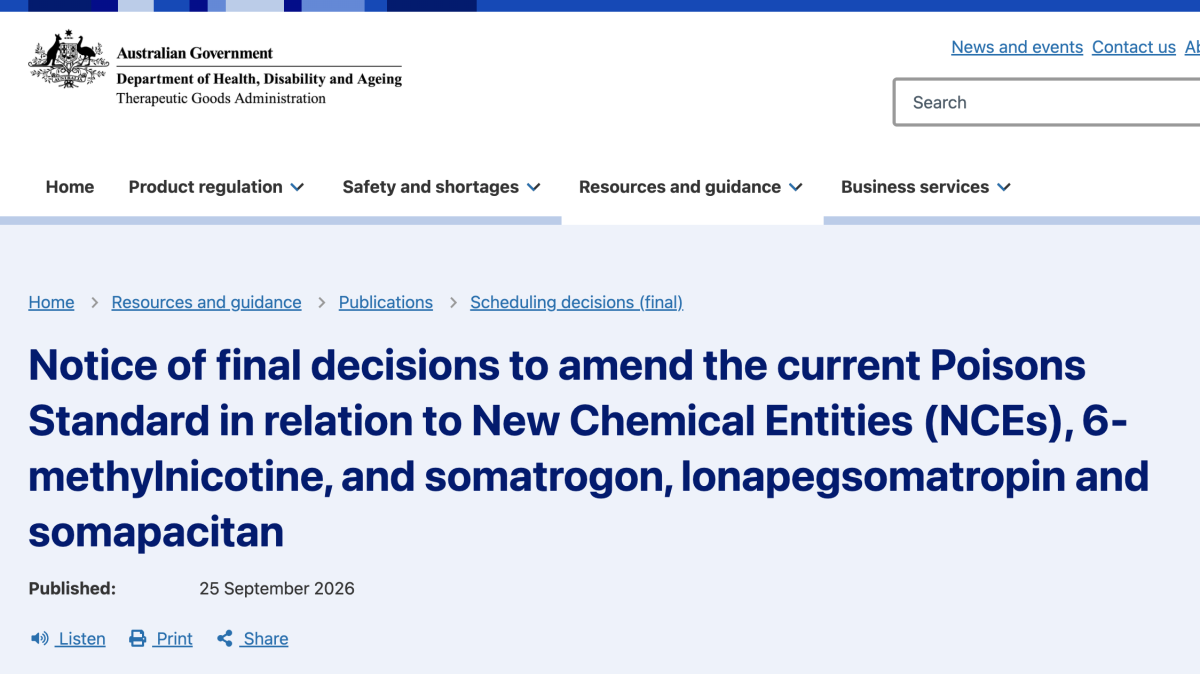
Australia Adds 6-Methylnicotine to Schedule 9 Prohibited Substances, Effective October 1
Australia's Therapeutic Goods Administration published a final decision on September 25 to classify 6-methylnicotine as a Schedule 9 prohibited substance under the Poisons Standard, effective October 1, 2026. TGA said the chemical has been reported in e-cigarette liquids sold in Australia and marketed as nicotine-free or nicotine alternatives, while evidence also indicates its use in preparations such as oral pouches. The government originally proposed a Schedule 7 classification but ultimately adopted the stricter Schedule 9 designation, citing acute toxicity, dependence risk, use in unapproved consumer products and misleading marketing.
News
Sep.29 by 2Firsts Perspectives
FRE and ALP Push Modern Oral to 48% of Q2 Sales as Turning Point Brands Changes CEO and Lowers Profit-Guidance Ceiling
Turning Point Brands said Executive Chairman David E. Glazek will become CEO on October 1, replacing Graham Purdy, who is stepping down for personal reasons. The company narrowed its 2026 adjusted EBITDA outlook to $70 million-$80 million from $70 million-$90 million while maintaining Modern Oral gross sales guidance of $330 million-$350 million and net sales guidance of $260 million-$270 million. In the second quarter, Modern Oral net sales rose 128% to $68.4 million and accounted for 48% of company-wide net sales. Adjusted EBITDA fell 50% year over year. TPB shares closed about 10% lower on September 21.
Market
Sep.22 by 2Firsts Perspectives
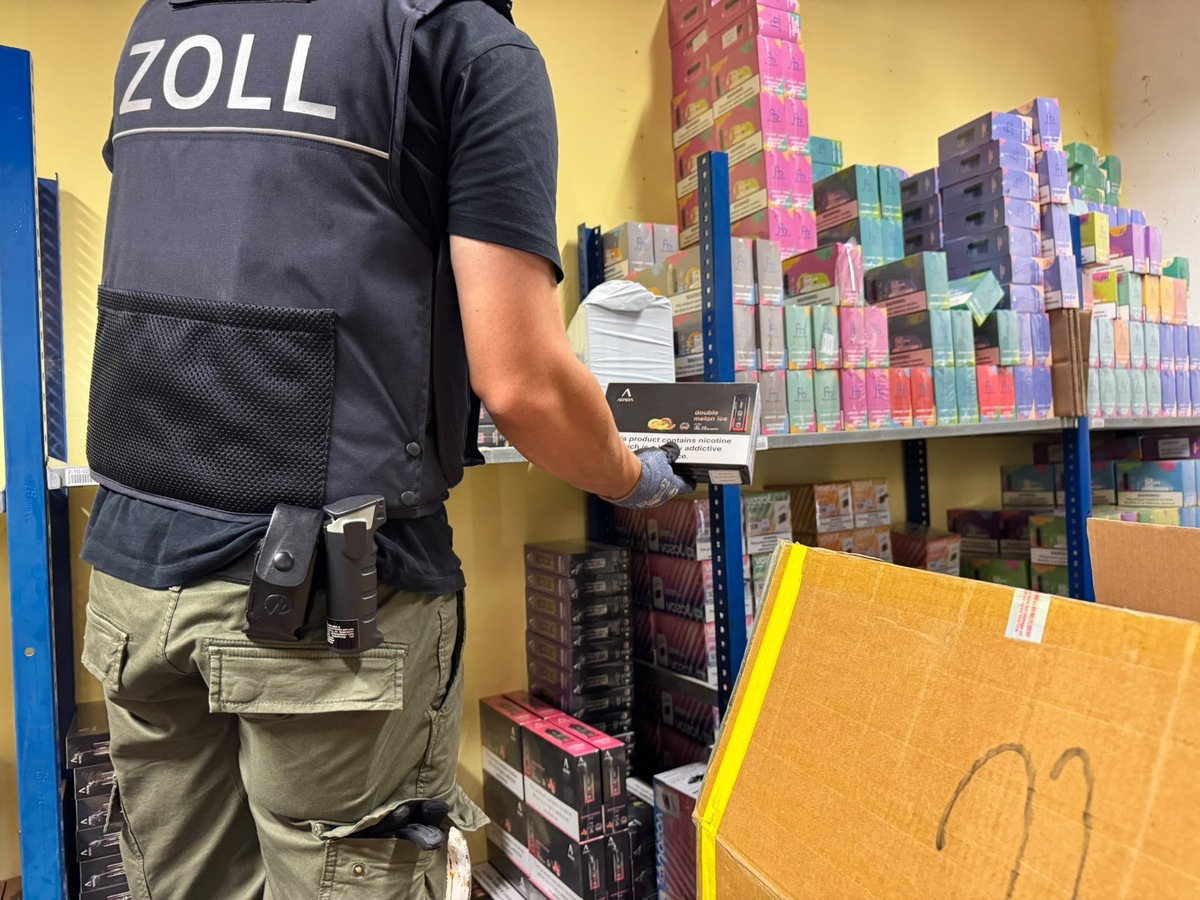
Germany Probes 7.6 Million Illegal Vape Case With Estimated €33.3 Million Tax Loss; Four Chinese Manufacturer Employees Under Investigation, Some Packaging in Enforcement Images Resembles FUMOT Products
German prosecutors and customs authorities are conducting a criminal investigation into an alleged cross-border organised vape network. Authorities say that between January 2024 and March 2025, four employees of an unnamed Chinese e-cigarette manufacturer allegedly built a network of sales agents and wholesalers that brought more than 7.6 million nicotine disposable vapes into Germany, causing an estimated €33.3 million in excise-tax losses. The manufacturer has not been named. Some products visible in enforcement images have packaging resembling products from FUMOT’s portfolio. European regulatory records from 2024, FUMOT’s public overseas-sales materials and records involving German vape importer and distribution company Zamu-Pro GmbH also show FUMOT/RandM products and German distribution activity during the period covered by the investigation.
Sep.21
On-Site Report | CTP Details PMTA Backlog, 180-Day Review Goal and sPMTA Process
FDA’s Center for Tobacco Products detailed new PMTA review data and process changes at the 2026 FDLI conference. Pending PMTAs fell from about 450,000 at the start of 2025 to 135,000 by September 2026. CTP also discussed its 180-day review goal, current sPMTA pilot, alternate-supplier planning, more than 50,300 pending SE reports, and lessons from the nicotine pouch pilot already being applied to ENDS review.
Regulations
Oct.07
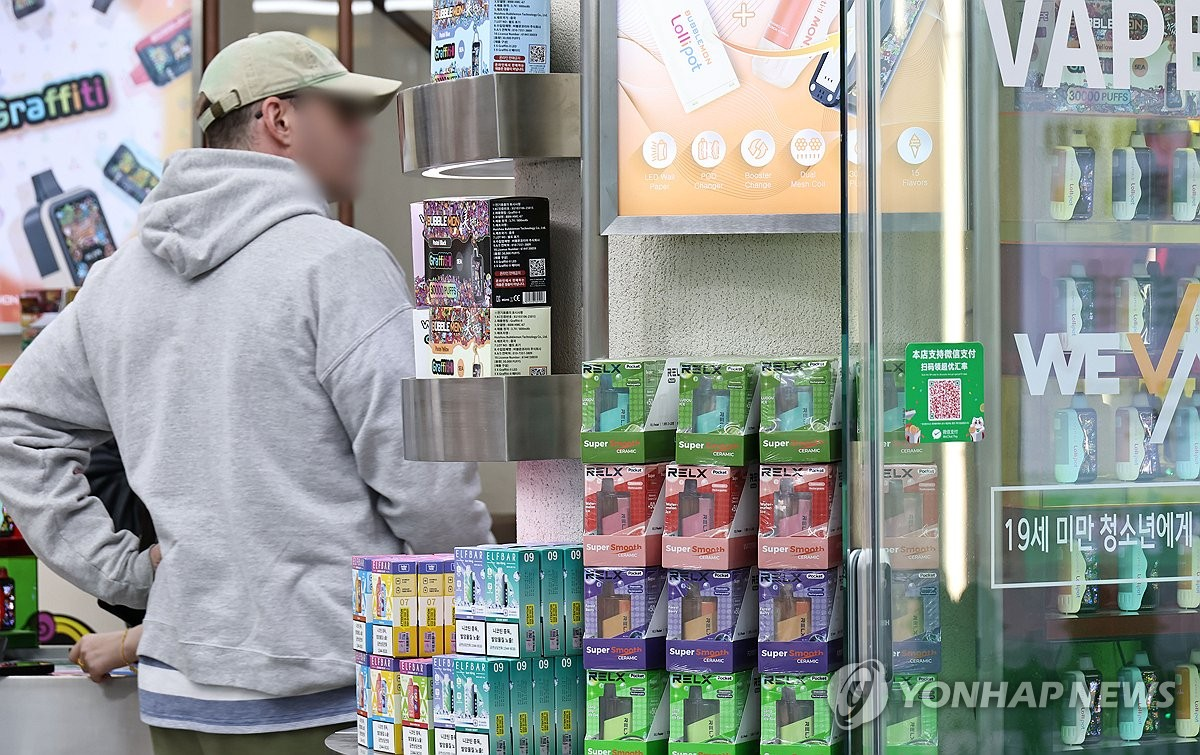
South Korea Fully Reviews Nicotine-Analog and Nicotine-Free Vape Liquid Imports, With Over 99% From China and Chinese Supply-Chain Documents Under Scrutiny
Korea Customs Service has tightened import controls on nicotine-analog and nicotine-free e-cigarette liquids, placing the products under 100% document review and subjecting all e-cigarette liquid import declarations to pre-clearance ingredient analysis. As of September 20, 2026, South Korea had imported about 15 metric tons of nicotine-analog liquids, 99.99% from China, and about 316 metric tons of nicotine-free liquids, including roughly 315 metric tons, or 99.7%, from China. The measures follow South Korea's April expansion of its tobacco definition to include synthetic nicotine products and include new checks on Chinese manufacturing, transaction and export documentation.
Sep.24
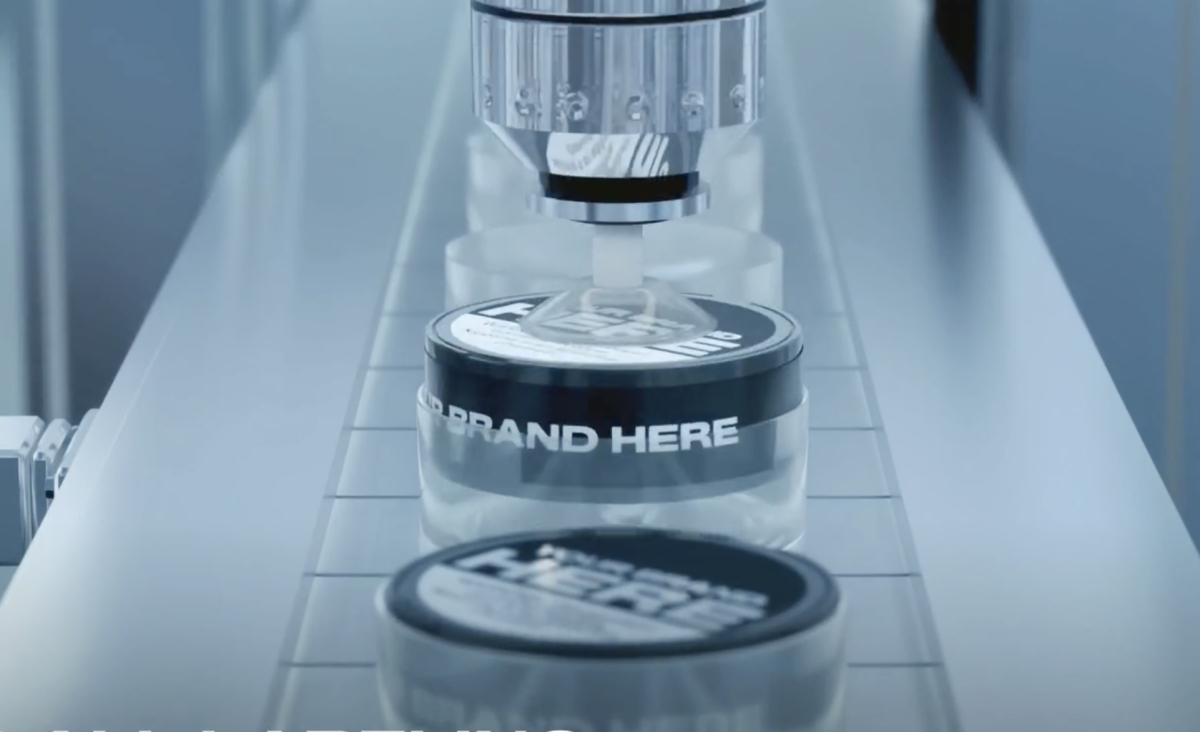
As Regulators Focus on Nicotine Pouch Child Safety, Safeguard Pursues an External Packaging Route
As regulators pay closer attention to child safety in nicotine pouches, manufacturers face a practical challenge: how to strengthen child-resistant packaging without unnecessarily reworking products, production lines and regulatory submissions already in place. In a written interview with 2Firsts, Chemular detailed Safeguard’s external packaging approach, its customer-specific testing requirements and possible PMTA pathways. The model remains early-stage, but it offers a new way to think about an increasingly important regulatory and manufacturing issue.
Industry Insight
Sep.19