Bentley: Juul Exit Threatens Progress in Harm Reduction

Industry Insight by tobaccoreporter
Jul.01.2022
The Food and Drug Administration’s order to remove Juul products from the U.S. market threatens progress in tobacco harm reduction, according to Guy Bentley, director of consumer freedom at the Reason Foundation.

Writing on the foundation’s website, Bentley reminds his audience that e-cigarettes are not only less harmful than their combustible counterparts, but they are also more effective in helping smokers quit than FDA-approved therapies such as nicotine gum and patches.

Bentley: Juul Exit Threatens Progress in Harm Reduction

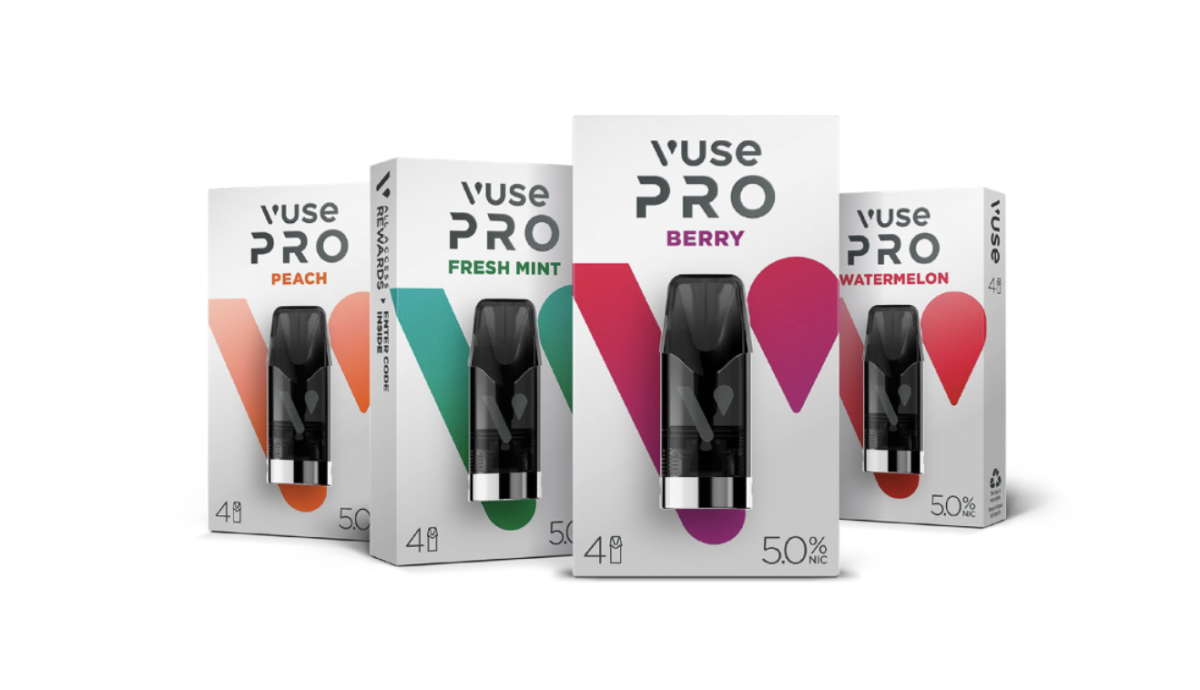
The FDA, he writes, acknowledged as much when it authorized Vuse e-cigarettes in 2021 and claims it recognizes the role these safer nicotine alternatives can play in reducing smoking.


If the Juul order is implemented, says Bentley, many Juul users will likely return to smoking, while a portion of smokers who would have transitioned to Juul will continue to light up.

Bentley: Juul Exit Threatens Progress in Harm Reduction

Bentley says the FDA Juul denial makes a mockery of the claim that it’s evaluating science in the best interests of public health. A study published in the New England Journal of Medicine found e-cigarettes to be twice as effective as traditional nicotine replacement therapies.


According to Bentley, the decision also punctures a hole in the logic of the FDA’s recently announced policy to reduce nicotine levels in cigarettes to minimally or non-addictive levels. Without an acceptable legal alternative, smokers may simply smoke more cigarettes to get their nicotine fix.


“By banning the most popular e-cigarette among adults, the agency’s commitment to transitioning smokers to safer alternatives rings hollow,” writes Bentley.

Feature | Vape Politics in Russia: Local Governments Push Forward Despite Legislative Deadlock
As Russia’s federal vape policy stalls, regional governors are racing to implement local bans—now with the backing of President Vladimir Putin. The divide between swift local action and delayed national legislation is fueling debate over health, regulation, and the country’s broader approach to nicotine control.
Oct.28
PMI’s Smoke-Free Playbook: What Jacek Olczak Really Told Wall Street
At the Morgan Stanley Global Consumer & Retail Conference on December 2, 2025, PMI CEO Jacek Olczak delivered a clear message: the company’s smoke-free shift is now its central strategy. From ZYN’s surge in the U.S. to IQOS’s global momentum and a changing regulatory tone, his remarks sounded less like an earnings update and more like a declaration of PMI’s smoke-free future.
PMI
Dec.03
JUUL wins approval after FDA reversal of Marketing Denial Order
JUUL's regulatory journey from Marketing Denial Order to approval showcases FDA's evolving approach to e-cigarette oversight.
Nov.03 by 2FIRSTS.ai
Washington Policy Media Flags Surge: China’s Monthly Vape Exports Jump from 2.2M Kg to 14.8M Kg; Crackdown Effectiveness Questioned
The Washington Examiner on December 9, 2025, reported: China's vape export volume to the U.S. rebounded sharply from 2.2 million kilograms to 14.8 million kilograms despite the crackdown. This volatility, confirming the annual multi-billion dollar trade gap, is the "Bullwhip Effect" in action. It transfers massive inventory to the U.S. market, putting the working capital of Chinese manufacturers and the supply chain at severe risk of lock-up and failure. Regulatory escalation is now imminent.
News
Dec.11
Canada’s B.C. Passes First Vaping Cost-Recovery Framework, Allowing Government to Sue Manufacturers Over Health Expenses
According to the Nelson Star, British Columbia has passed the Vaping Product Damages and Health Care Costs Recovery Act by a 49–42 vote. The legislation enables the provincial government to seek recovery of future public health costs from vape manufacturers, following models used in opioid and tobacco litigation.
Dec.03
Smoking Rate Drops to 17.9%, Vaping Rate Climbs to 9.3% in South Korea
The Korea Disease Control and Prevention Agency (KDCA) released its 2025 Community Health Survey results covering more than 230,000 adults. Traditional cigarette smoking dropped to 17.9%, down 1 percentage point from last year, while e-cigarette use increased to 9.3%, up 0.6 points. Overall tobacco product use stood at 22.1%, a slight decline from 2024 but still 0.5 points higher than 2019.
Dec.08 by 2FIRSTS.ai