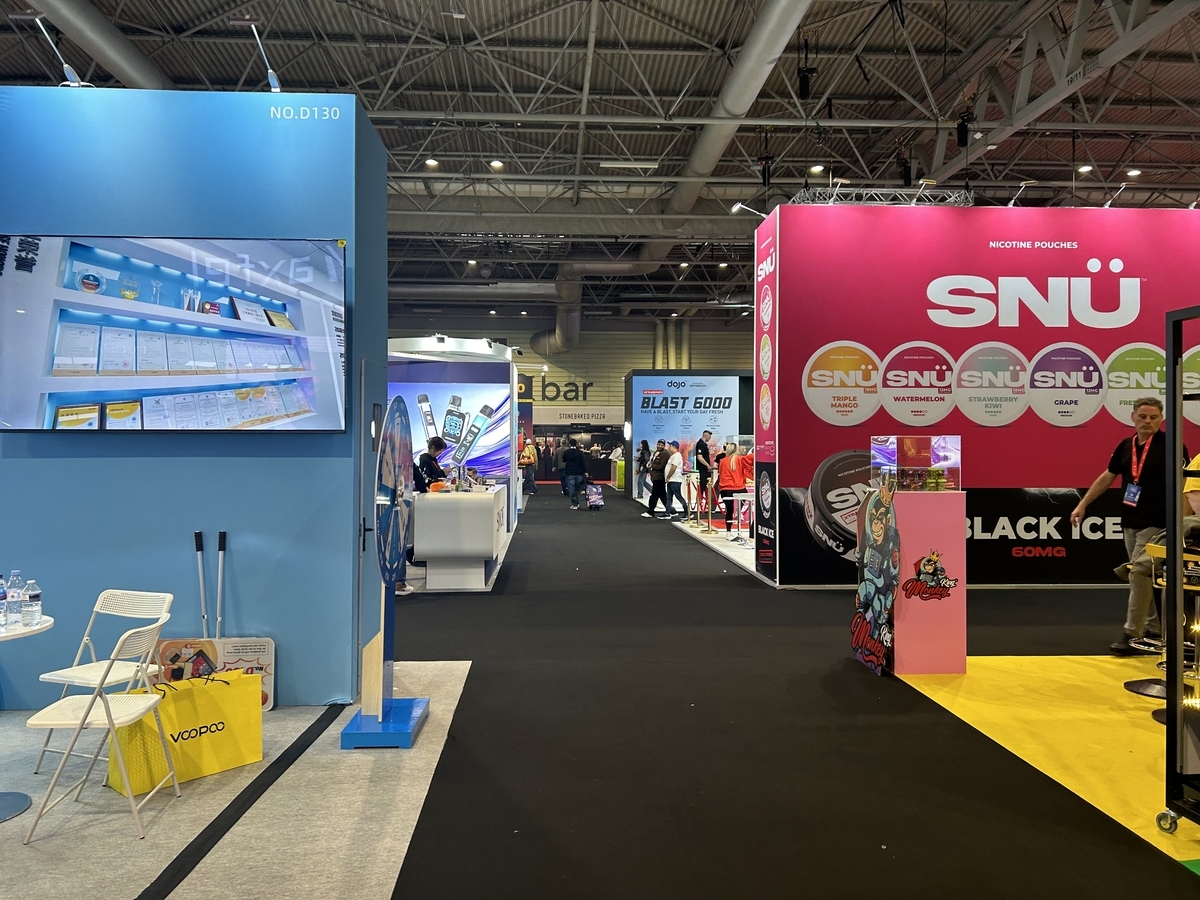
The e-cigarette exhibition in Birmingham, UK opened as scheduled at Birmingham National Exhibition Center on October 25th. On the first day of the exhibition, there were few attendees and the atmosphere was quite low-key. Many exhibitors admitted that they were disappointed by the lackluster turnout, with some expressing the sentiment that "e-cigarette exhibitions are getting worse year after year.
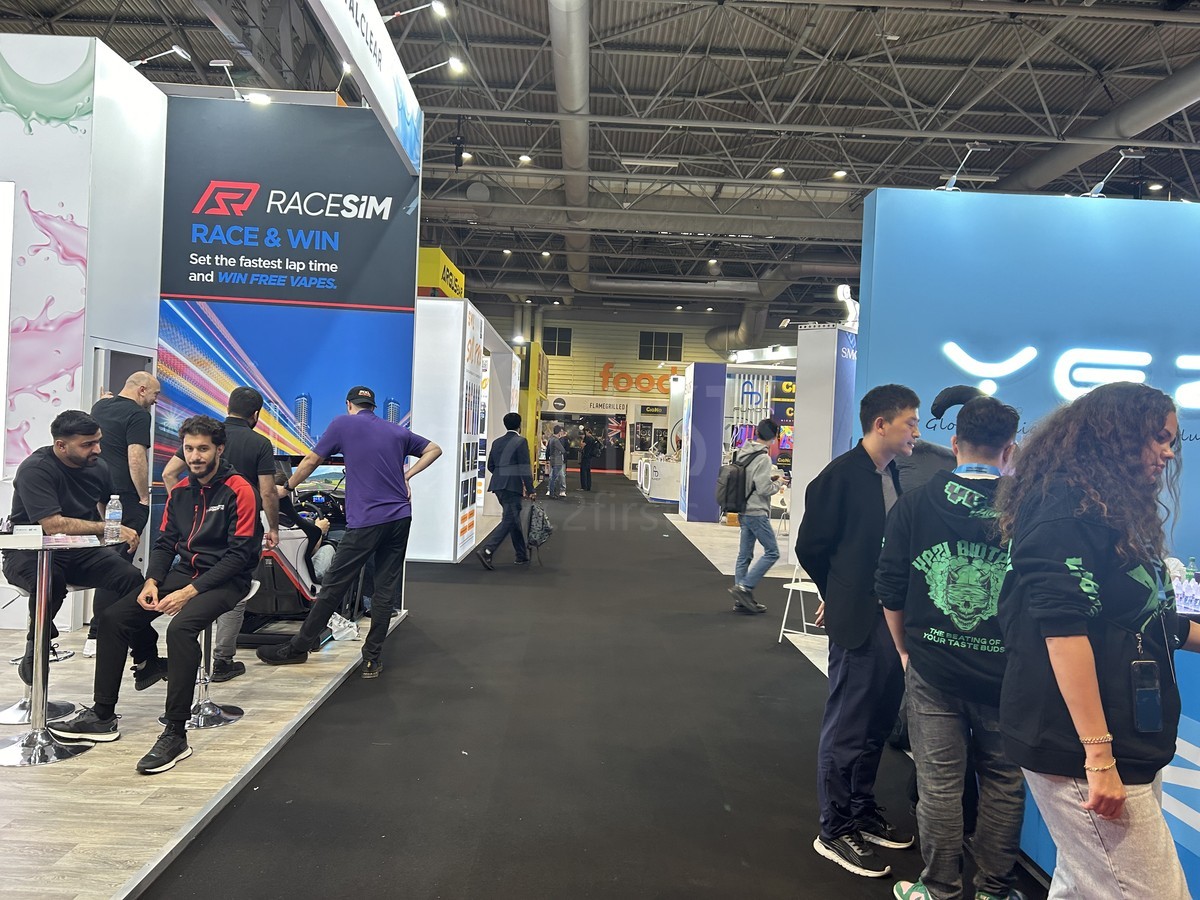
Exhibitors admit: Birmingham trade show is declining year by year.
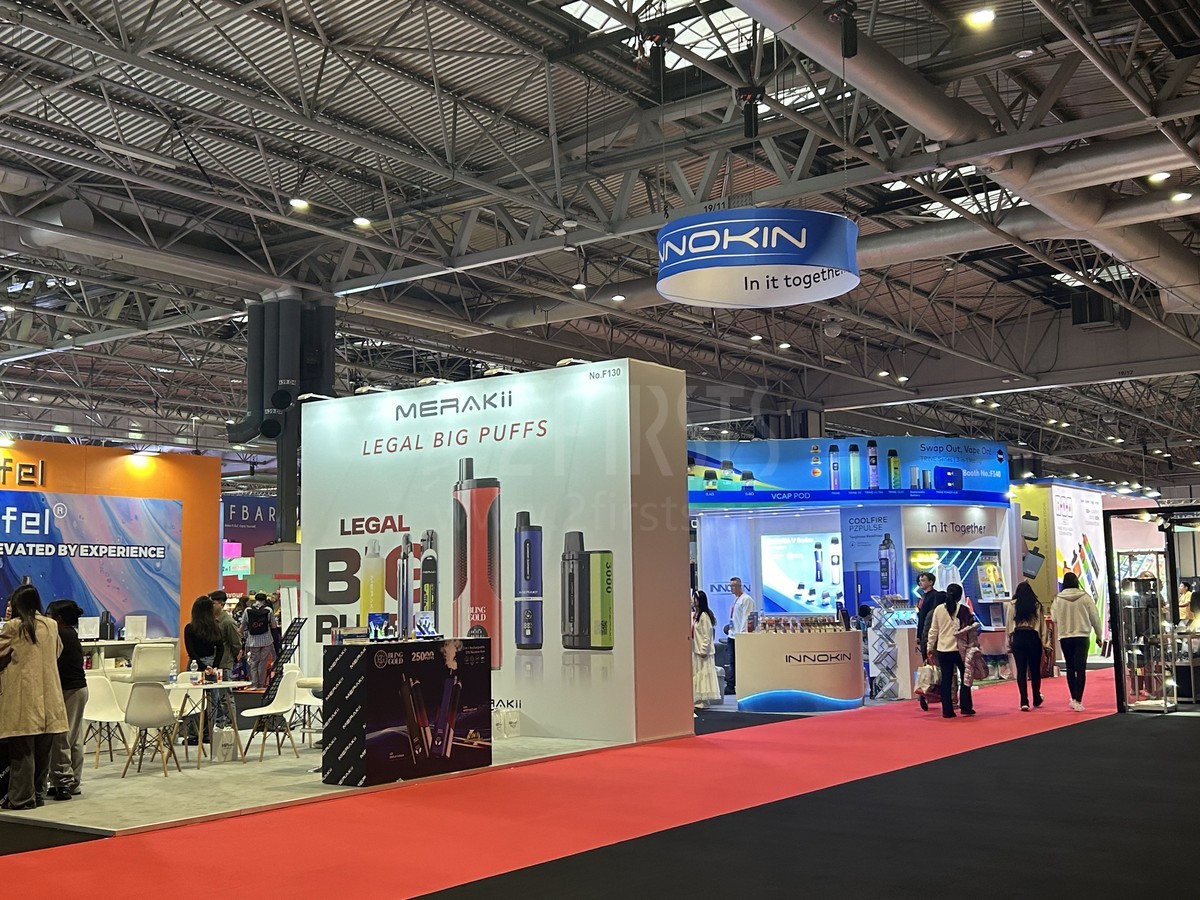
According to exhibitors who have participated in several trade shows, in the past few years there was relatively large attendance, with many emerging brands using it as a platform to showcase their latest products and technologies to the UK and even Europe. However, this year's trade show had sparse attendance, in stark contrast to previous years. Many exhibitors seemed bored at their booths, and the atmosphere at the trade show was mainly filled with familiar faces, with the enthusiasm of the staff somewhat diminished.

An unnamed exhibitor stated, "The enthusiasm at the trade show is not as high as before, and there are hardly any visitors walking around the exhibition area.
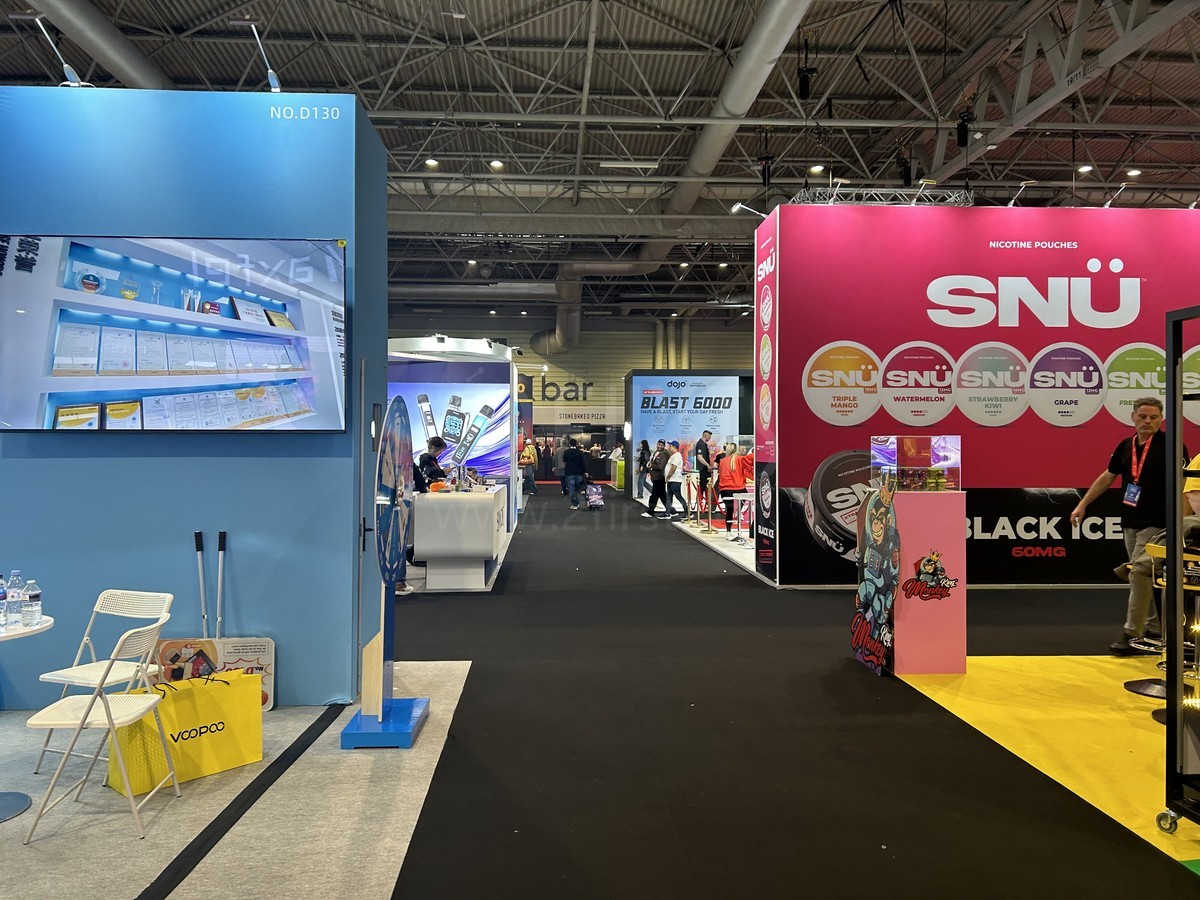
On the first day of the exhibition, 2Firsts observed that there were few visitors stopping in the aisles between booths, and the displays and interactive activities of exhibitors did not attract many participants. The atmosphere at the exhibition was far from the lively scene that most exhibitors had hoped for.
Many exhibitors expressed their feelings of disappointment during interviews, stating that this year's exhibition has been sluggish. Some exhibitors believe that exhibitions like the Birmingham e-cigarette show are declining year by year. A brand representative with years of experience pointed out that the attractiveness of the Birmingham exhibition is not as strong as it used to be.
The Birmingham exhibition this year is really not as good as previous years. There are noticeably fewer exhibitors and visitors compared to before," the individual said.
Decline in enthusiasm for participation in exhibitions due to stable market conditions.
Behind the cooling of the exhibition, there are deep-rooted reasons in the industry structure and market demand of the e-cigarette market in the UK. According to one exhibitor's analysis, the UK e-cigarette market has now stabilized and no longer has the market uncertainty and demand for emerging expansion as it did in the early days.
In earlier years, information was not as transparent as it is now. Agents and distributors from various regions needed to attend trade shows to access new products and distribution opportunities. However, now that channels have become more stable, agents are not as reliant on trade shows as they used to be, leading to a decline in enthusiasm for participation. He explained that in the past, trade shows served as a bridge for brands and distributors to connect, but as market channels have gradually stabilized, the demand for participation from many distributors and agents has significantly decreased.
In addition, the cooling trend of the exhibition is not only occurring in the UK market. The exhibitor also revealed that when they participated in a trade show organized by the Russian e-cigarette association earlier, they also noticed a significant decrease in the number of attendees.
Some of the exhibitions in Russia are also not doing well, with a pitifully low number of participants. People no longer have the same passion for these exhibitions as before, it feels like they are just going through the motions," lamented this exhibitor.
With the abundance of information channels in the e-cigarette market, the diversification of online trading and promotion platforms has made brands no longer rely on offline exhibitions to acquire new customers and partners. With the rise of online channels and social media, brands now have more convenient and precise means of promotion, enabling them to directly reach their target customer groups. As a result, the practicality of exhibitions has decreased.
A exhibitor admitted, "In the past, we used to go to trade shows to find agents and distributors, to understand the local market situation, but now the market channels have matured, so participating in exhibitions is no longer as important for us. In the past, trade shows served as a 'distribution center' for the industry, but now companies prefer to do precise advertising through online channels. Instead of participating in large-scale exhibitions, it is more cost-effective to directly connect with target customer groups.
We welcome news tips, article submissions, interview requests, or comments on this piece.
Please contact us at info@2firsts.com, or reach out to Alan Zhao, CEO of 2Firsts, on LinkedIn
Notice
1. This article is intended solely for professional research purposes related to industry, technology, and policy. Any references to brands or products are made purely for objective description and do not constitute any form of endorsement, recommendation, or promotion by 2Firsts.
2. The use of nicotine-containing products — including, but not limited to, cigarettes, e-cigarettes, nicotine pouchand heated tobacco products — carries significant health risks. Users are responsible for complying with all applicable laws and regulations in their respective jurisdictions.
3. This article is not intended to serve as the basis for any investment decisions or financial advice. 2Firsts assumes no direct or indirect liability for any inaccuracies or errors in the content.
4. Access to this article is strictly prohibited for individuals below the legal age in their jurisdiction.
Copyright
This article is either an original work created by 2Firsts or a reproduction from third-party sources with proper attribution. All copyrights and usage rights belong to 2Firsts or the original content provider. Unauthorized reproduction, distribution, or any other form of unauthorized use by any individual or organization is strictly prohibited. Violators will be held legally accountable.
For copyright-related inquiries, please contact: info@2firsts.com
AI Assistance Disclaimer
This article may have been enhanced using AI tools to improve translation and editorial efficiency. However, due to technical limitations, inaccuracies may occur. Readers are encouraged to refer to the cited sources for the most accurate information.
We welcome any corrections or feedback. Please contact us at: info@2firsts.com