Editor’s Note:
In early 2025, the U.S. FDA escalated enforcement against unauthorized vaping products while simultaneously granting its first-ever PMTA marketing authorization for nicotine pouches — ZYN. As the first flavored product of its kind to be approved, ZYN’s authorization marks a pivotal shift in how the FDA is simultaneously cracking down on illicit products and creating a clearer path for scientifically backed, compliant alternatives.
ZYN’s success reflects the alignment of three critical elements: credible toxicological data, flavors that facilitate adult switching from combustible tobacco, and a marketing strategy that limits youth appeal. This article provides a detailed breakdown of how ZYN met the FDA’s “Appropriate for the Protection of Public Health” (APPH) standard — offering a valuable compliance reference for industry stakeholders considering the U.S. market.
The article is authored by Austin Tyner, Document Specialist at Accorto Regulatory Solutions, a U.S.-based consultancy specializing in PMTA applications with deep regulatory expertise.
2Firsts is a global media and consultancy dedicated to reduced-risk nicotine products. We closely monitor regulatory trends and provide compliance-related insights to support industry stakeholders worldwide. As a partner of 2Firsts, Accorto collaborates with us on regulatory analysis, industry education, and expert commentary during key policy developments — helping share timely FDA updates and practical insights with the broader market.
Written by: Austin Tyner, Document Specialist, Accorto Regulatory Solutions
The recent approval of ZYN nicotine pouches by the U.S. Food and Drug Administration (FDA) on January 16, 2025, marks a pivotal moment for the future of nicotine pouch applications and the broader regulatory landscape for alternative tobacco products in the United States. As the first nicotine pouches to be authorized by the FDA for marketing, ZYN’s approval sets an important precedent, implying both challenges and opportunities for future pouch products seeking FDA approval.
ZYN PMTA Product Approval Specifics
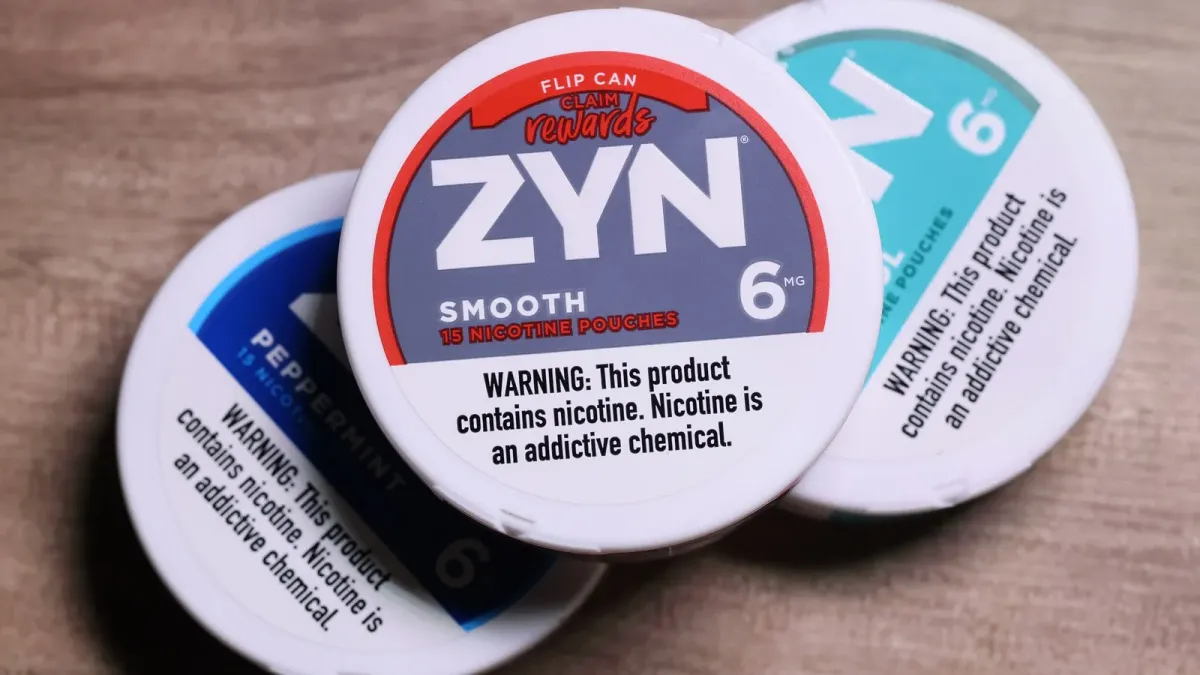
The ZYN PMTA specifically approved 20 nicotine pouch products, consisting of 10 flavors available in two nicotine strengths: 3 milligrams and 6 milligrams. The approved products are:
· ZYN Chill
· ZYN Cinnamon
· ZYN Citrus
· ZYN Coffee
· ZYN Cool Mint
· ZYN Menthol
· ZYN Peppermint
· ZYN Smooth
· ZYN Spearmint
· ZYN Wintergreen
This approval sets an important precedent for nicotine pouch applications, as Zyn became the first brand to receive FDA marketing authorization for such products, and flavors outside of menthol and tobacco have not been approved in any other PMTA application for any alternative product until now. It establishes that flavored nicotine pouches can be successfully reviewed and approved under the Premarket Tobacco Product Application (PMTA) pathway, provided they meet the FDA’s public health standards. This decision sets a significant benchmark for other nicotine pouch manufacturers, showing that products with sufficient scientific evidence demonstrating reduced harm compared to cigarettes and other smokeless tobacco products can be authorized for sale in the U.S. given responsible marketing and evidence-based claims in the application.
General PMTA Contents and APPH Standards
The path to product approval is complex. The process of submitting a PMTA is rigorous, demanding robust scientific evidence, extensive testing, and an application that properly presents and contextualizes both. The FDA mandates that all nicotine pouch products meet a set of strict standards to ensure that each product has a net positive health benefit that outweighs its risks. This standard is called "Appropriate for the Protection of Public Health" (APPH). It is the burden of the PMTA applicant to provide sufficient evidence demonstrating that the product meets APPH. This includes documentation of every aspect of the product’s manufacturing, testing, and marketing. Any shortcomings therein will prevent the FDA from issuing a Marketing Granted Order (MGO). These factors underscore the high bar set by the FDA for new nicotine products and the attention to detail required in the application to meet it.
What Zyn Did Right
Because Zyn is the first product of its kind to receive an MGO, it is prudent to evaluate and understand what specific factors included in the application marked this product as APPH to the FDA.
1. Toxicology Studies Demonstrated Dramatically Reduced Exposure to HPHCs
The Zyn PMTA included studies demonstrating that their product exposed users to less harmful and potentially harmful constituents (HPHCs) than traditional combustible cigarettes and other smokeless tobacco products. HPHCs are chemical compounds found in tobacco products that can cause harm to users. Reduced exposure to HPHCs therefore is associated with decreased product risk and aligned with the public health interests of the FDA.
For example, most combustible cigarettes contain the HPHC nicotine-derived nitrosamine ketone (NNK). NNK is a carcinogen known to cause lung cancer and damage to DNA. The Zyn application includes data that shows their products have levels of NNK that are too low to be quantified. It is then noted that these levels are lower even than Snus, products that have already been granted PMTA and MRTP authorization by the FDA. The effect of this is twofold: 1. through validated testing methods that show the reliability of the data, the applicant demonstrates the risk reduction potential of their product and the robust testing it has been subject to, and 2. by citing the precedence of other like products, the applicant then contextualizes this data and underscores where it aligns with the goals and standards of the FDA. This is a clear example of a PMTA in which the contextualization of validated scientific testing lends credence to the product’s APPH.
2. Application Produced Evidence of Switching and Benefit to Adult Tobacco Product Users
The Zyn PMTA demonstrated that the product plays a significant role in helping adults switch away from more harmful tobacco products and potentially quit those products altogether. The applicant provided evidence from a 10-week prospective cohort study, which showed that nearly one-quarter of participants who used Zyn’s nicotine pouches completely switched from cigarettes or smokeless tobacco products. Additionally, the study revealed a decrease in the proportion of participants using both Zyn and combustible cigarettes or smokeless tobacco, suggesting a successful transition even in dual users. Consumer perception data also highlighted that adults who smoke and intend to quit found Zyn's variety of flavors highly appealing, with nearly half of participants reporting strong interest in purchasing the product. This flavor appeal likely contributed to the increased likelihood of switching. The toxicology review further supported the benefits of switching, noting that adults who switched to Zyn’s products would likely experience a reduction in cancer risk and other health harms compared to continuing use of traditional tobacco products. Overall, the PMTA demonstrated that Zyn’s nicotine pouches not only provide an attractive option for adults looking to quit but link this likeability with the potential to significantly reduce the health risks associated with smoking and smokeless tobacco use and, therefore, APPH standards and FDA objectives.
3. Literature Inclusion and Market Strategy Supported Low Youth Use and Appeal
One of the top priorities of the FDA regarding tobacco and nicotine product policy has been the reduction of youth tobacco product initiation and use, mainly through reducing youth appeal of products by targeting marketing campaigns and flavors. The Agency was so committed to this goal that, in February 2020, the FDA issued an enforcement policy on unauthorized, flavored, cartridge-based e-cigarettes. This policy intended to curb youth appeal by instituting a “flavor ban” on those products whose flavors the FDA identified as most tempting to children. This makes the approval of Zyn pouch products an extraordinary feat that can only have been achieved by the application’s demonstration that its risk to youth is minimal and its potential for public health benefits in adult users far outweighs it.
The Zyn PMTA provided evidence that youth use of nicotine pouches remains low, supporting the product’s suitability for adult smokers and smokeless tobacco users. The literature states that according to the 2024 National Youth Tobacco Survey (NYTS), a survey widely respected for its size and coverage, only 1.8% of U.S. middle and high school students reported using nicotine pouches while 5.9% reported using ENDS products. Additionally, the applicant demonstrated that the product’s marketing and flavor appeal do not target youth, as the product's flavor variety was shown to attract adult smokers looking to quit. The FDA also gave specific mention to the company's commitment to responsible marketing in its review, including noting strict advertising restrictions ensure that Zyn products are carefully targeted to adults aged 21 and older, minimizing youth exposure to marketing. This combination of scientific evidence and intentional market strategy highlights that, while Zyn's products are appealing to adult users, their potential to attract younger, non-smoking individuals remains low. This aligned the product and marketing with FDA intentions and likely supported the determination that the product meets APPH standards.
Implications for the Future
ZYN’s approval by the FDA suggests that nicotine pouches are not only viewed as alternatives to cigarettes but also as potential tools to aid in smoking cessation, even though these products have not yet been approved to make harm reduction claims. This approval potentially positions nicotine pouches as part of a broader public health strategy aimed at reducing smoking-related harm. It also sets a precedent for future products in this category, highlighting that nicotine pouches could be recognized as a viable option for adult smokers who want to transition away from more harmful tobacco products. Furthermore, the agency’s acknowledgment of studies on youth risk appeal reaffirms that nicotine pouches offer greater benefits to adult smokers than risks to young people, reinforcing the product's role in adult harm reduction. However, a comprehensive marketing and branding plan is crucial to maintaining this balance and preventing unintended youth exposure. If the agency stays its course, the FDA's insistence on applicant adherence to a data-driven, science-backed approach will ensure that only products with demonstrated safety and efficacy are allowed on the market, thus protecting consumers and aligning with APPH standards and public health goals.
In conclusion, the FDA's approval of ZYN nicotine pouches marks a significant milestone, potentially paving the way for other nicotine pouch products to gain approval. At the same time, it emphasizes the need for rigorous testing, robust applications, and adherence to strict regulatory standards. As the industry evolves, manufacturers must navigate these stringent requirements to gain FDA authorization, ensuring that only safe and effective products reach the market and align with the FDA’s public health objectives.