Key Takeaways
- California’s State Assembly passed a bill to ban disposable vape pens, citing litter reduction and fire prevention goals.
- New Jersey’s legislature reintroduced an extended producer responsibility bill for e-cigarettes.
- Product Stewardship Institute pilots in New York and Missouri seek safer management of vape waste.
- Vapes are described as difficult to identify in waste streams and can leak chemicals such as nicotine and certain metals; lithium-ion batteries are cited as a leading cause of facility fires.
- Fire Rover partner Ryan Fogelman counted 448 publicly announced waste and recycling facility fire incidents in the US and Canada in 2025; SWANA and NWRA plan a March 11 webinar with him.
2Firsts, February 5 2026
According to WasteDive, state lawmakers and recycling groups are seeking to address safety issues from vape waste in 2026 through a mix of new legislation, take-back programs and educational outreach, responding to fires at waste and recycling facilities linked to the “vape effect.”
California State Assembly passed a bill last week to ban disposable vape pens, aiming to reduce litter and prevent fires at waste and recycling facilities. It also notes that New Jersey’s legislature recently reintroduced its extended producer responsibility bill for e-cigarettes. In addition, ongoing pilot programs from the Product Stewardship Institute in New York and Missouri are intended to help manage this complicated waste stream more safely.
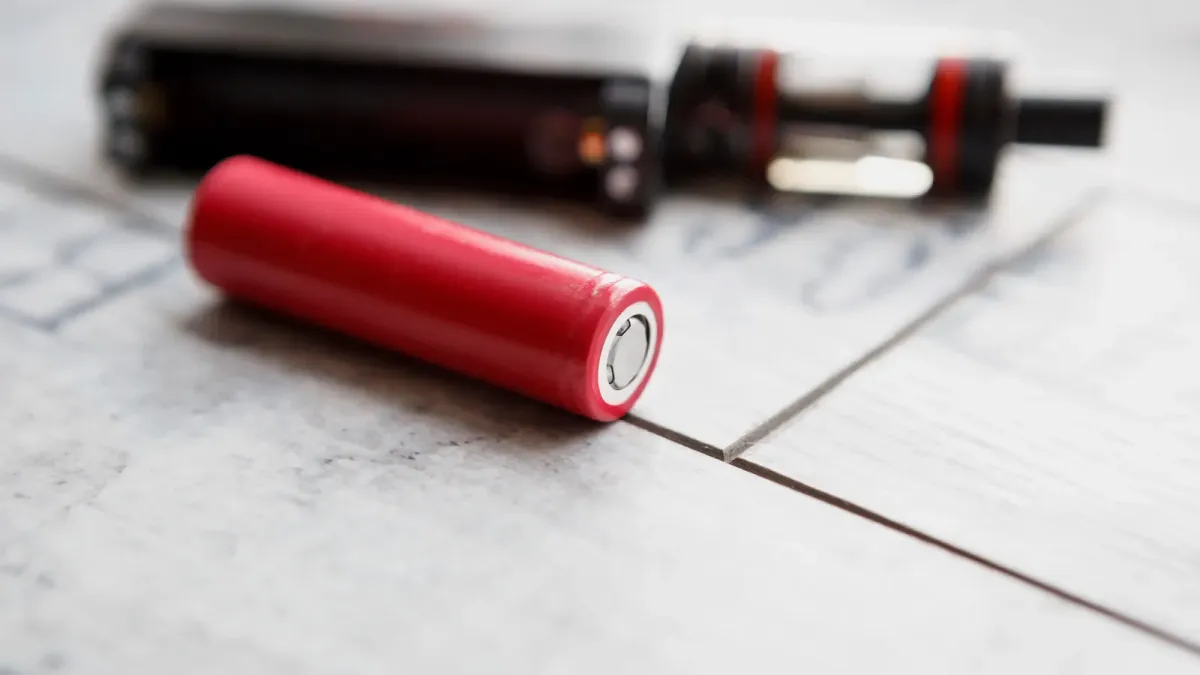
Vape pens, also called e-cigarettes, are described as a leading cause of waste and recycling facility fires due to the lithium-ion batteries inside. The devices are said to be difficult to identify on tipping floors and in processing equipment, and they can leak harmful chemicals including nicotine and certain metals.
Ryan Fogelman, a partner at Fire Rover, is quoted as saying the rising popularity of vape pens—particularly single-use models—is creating a “vape effect” that is accelerating the number of fires at waste and recycling facilities. Fogelman is also described as tracking publicly announced facility-fire incidents across the United States and Canada; he counted 448 incidents in 2025, calling it the worst year since he began compiling data in 2016.
While multiple factors can contribute to facility fires, Fogelman describing vapes as a “relentless” and growing source in the waste and recycling industry, and saying waste and recycling operators are left to handle these hazards.
The Solid Waste Association of North American (SWANA) and the National Waste & Recycling Association (NWRA) are said to have announced a joint effort last year to address lithium-ion battery disposal issues, and to have expressed general support for take-back programs and educational initiatives. SWANA and NWRA will co-host a webinar with Fogelman on March 11 to discuss his latest facility-fire research.
Image Source: WasteDive
We welcome news tips, article submissions, interview requests, or comments on this piece.
Please contact us at info@2firsts.com, or reach out to Alan Zhao, CEO of 2Firsts, on LinkedIn
Notice
1. This article is intended solely for professional research purposes related to industry, technology, and policy. Any references to brands or products are made purely for objective description and do not constitute any form of endorsement, recommendation, or promotion by 2Firsts.
2. The use of nicotine-containing products — including, but not limited to, cigarettes, e-cigarettes, nicotine pouchand heated tobacco products — carries significant health risks. Users are responsible for complying with all applicable laws and regulations in their respective jurisdictions.
3. This article is not intended to serve as the basis for any investment decisions or financial advice. 2Firsts assumes no direct or indirect liability for any inaccuracies or errors in the content.
4. Access to this article is strictly prohibited for individuals below the legal age in their jurisdiction.
Copyright
This article is either an original work created by 2Firsts or a reproduction from third-party sources with proper attribution. All copyrights and usage rights belong to 2Firsts or the original content provider. Unauthorized reproduction, distribution, or any other form of unauthorized use by any individual or organization is strictly prohibited. Violators will be held legally accountable.
For copyright-related inquiries, please contact: info@2firsts.com
AI Assistance Disclaimer
This article may have been enhanced using AI tools to improve translation and editorial efficiency. However, due to technical limitations, inaccuracies may occur. Readers are encouraged to refer to the cited sources for the most accurate information.
We welcome any corrections or feedback. Please contact us at: info@2firsts.com