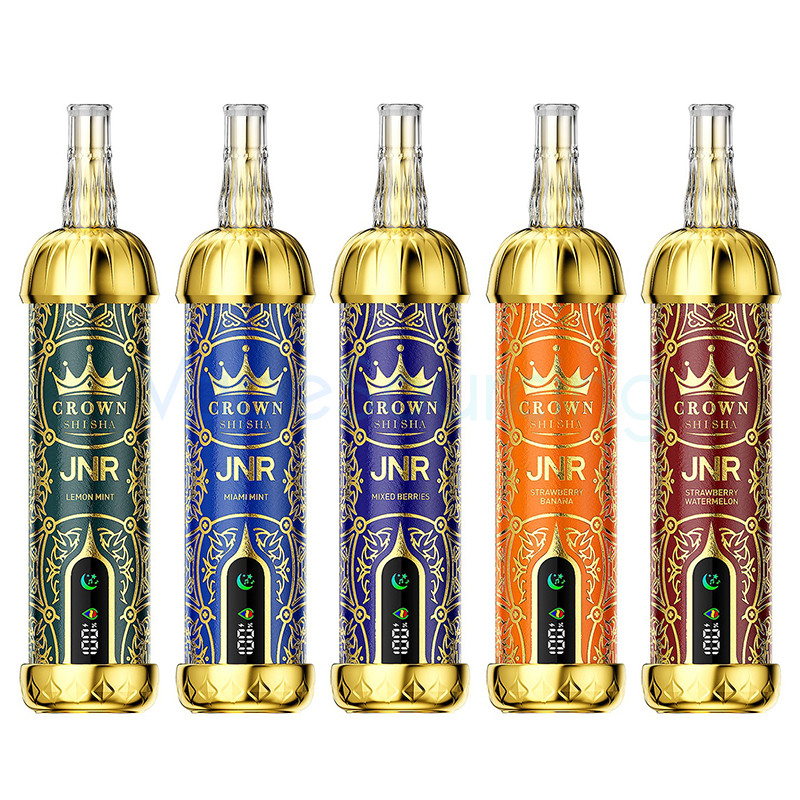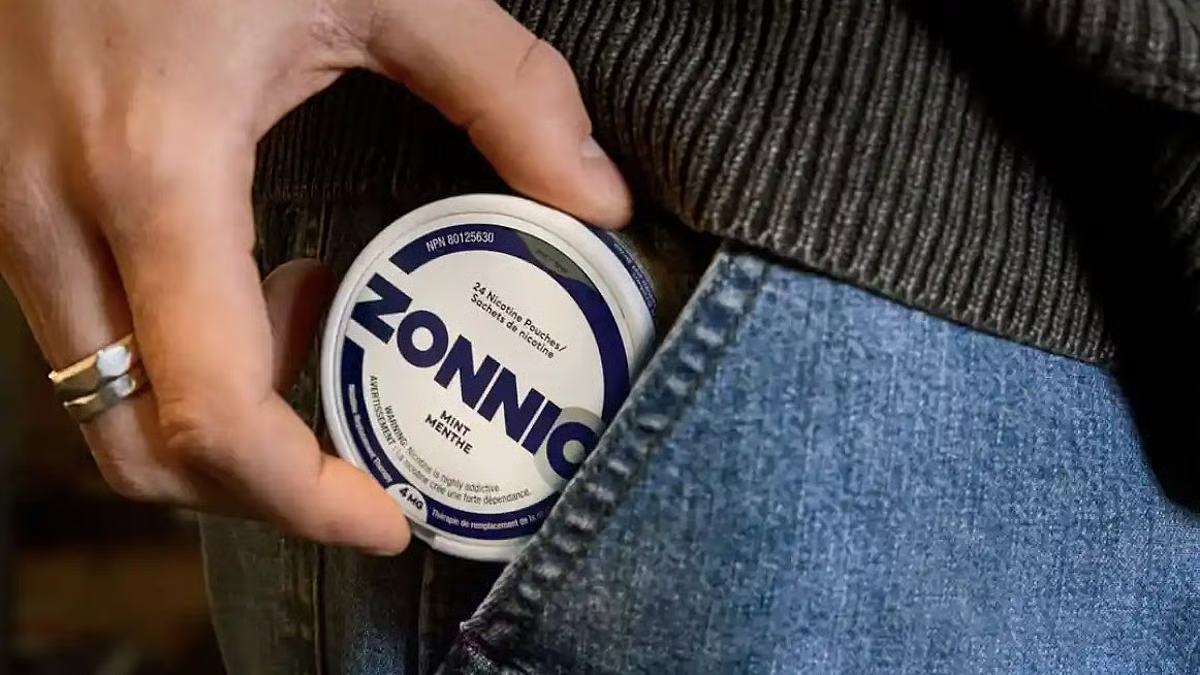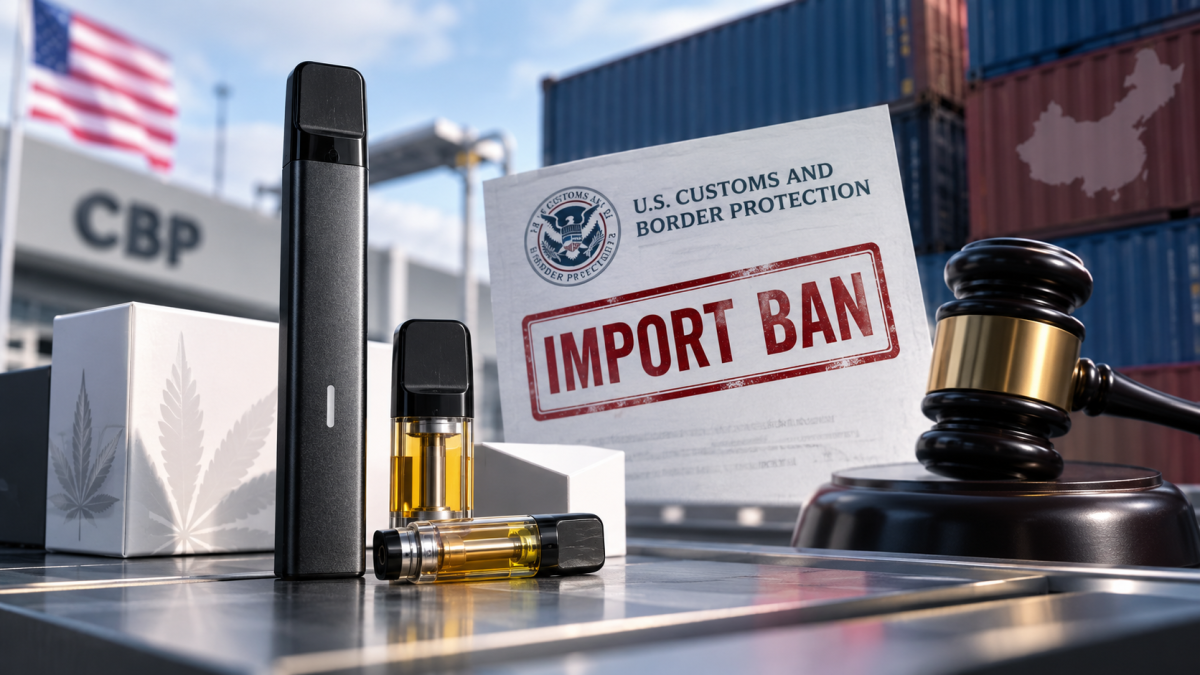
On November 8th, a bill was passed in California with 58% of voters in favor and 32% against, to maintain the existing ban on flavored tobacco and electronic cigarette products, making it the second state, following Massachusetts, to prohibit the sale of flavored e-cigarettes and traditional cigarettes.
Additionally, it is the fifth state to comprehensively ban flavored e-cigarette products, following Massachusetts (November 2019), Rhode Island (March 2020), New Jersey (April 2020), and New York (May 2020) (click on the blue link to view related documents).
Gavin Newsom, candidate for Governor of California, tweeted that "there are many people coming out to vote, don't miss out - it's time to stand up against those despicable tobacco companies who sell out the future of our children and grandchildren while making a fortune for themselves, it's insane. Please vote YES on Proposition 31 to ensure the flavor ban stays in effect. Saving lives is everyone's responsibility!
Governor Newsom's tweet
An upcoming ban has sparked outrage among interest groups and electronic cigarette users. Tobacco companies such as Reynolds have filed a lawsuit against California (click on the blue font to view related news), and former smokers have commented on Governor Newsom's Twitter in opposition.
Former smokers publish condemnatory comments under Newsom's tweet.
As of October 18, 2022, more areas outside of those states have voted to pass bans on flavored tobacco. These areas include:
Colorado has five.
Georgia state has one.
Illinois has two major cities, one of which is Chicago.
Maine has three major cities, including Portland.
27 cities in Minnesota (including Minneapolis)
Ohio Two
Oregon 1
Pennsylvania has one major city, which is Philadelphia.
And Washington, D.C. as well.
Governments around the world are tightening regulations on electronic cigarettes, and one method of control is to ban flavors. More and more governments may choose this approach. 2FIRSTS will continue to monitor the latest developments regarding electronic cigarette regulations around the world. Stay tuned for updates.
1. This article is only intended for internal discussions and exchanges within the industry and does not promote or recommend any specific brands or products. 2. Smoking is harmful to health. Minors are prohibited from reading this article.
This article is an original piece created by 2FIRSTS Technology Co., Ltd. in Shenzhen. The copyright and license for its use belong to the company, and any unauthorized reproduction, reprinting, or infringement of the company's copyright by any organization or individual is strictly prohibited. The company reserves the right to pursue legal action against any violators.
Disclaimer
This article is provided solely for professional research, industry discussion, and informational purposes. Any references to brands, companies, products, technologies, or policies are made for factual reporting and analytical purposes only, and do not constitute endorsement, recommendation, promotion, or advertising by 2Firsts.
Nicotine-containing products, including but not limited to cigarettes, e-cigarettes, heated tobacco products, and nicotine pouches, carry significant health risks. Readers are responsible for complying with all applicable laws and regulations in their respective jurisdictions, including age restrictions and access limitations.
The information contained in this article should not be regarded as investment, legal, medical, regulatory, or commercial advice. While 2Firsts strives to ensure the accuracy and reliability of its content, it does not assume liability for any direct or indirect loss arising from errors, omissions, inaccuracies, or reliance on the information contained herein.
This article is not intended for individuals below the legal age for accessing tobacco or nicotine-related information in their jurisdiction.
Copyright Notice
This article is either original content produced by 2Firsts or content reproduced, translated, summarized, or adapted from third-party sources with attribution where applicable. The intellectual property rights of the original content remain with 2Firsts or the respective original rights holders.
No individual or organization may copy, reproduce, distribute, republish, modify, translate, or otherwise use this content without prior authorization. Any unauthorized use may result in legal action.
For copyright-related inquiries, corrections, or removal requests, please contact: info@2firsts.com.
AI-Assisted Translation and Editing Notice
Portions of this article may have been translated, edited, or reviewed with the assistance of artificial intelligence tools to improve efficiency and readability. Due to the limitations of AI-assisted translation and editing, discrepancies, omissions, or inaccuracies may exist when compared with the original source.
Where applicable, readers are advised to refer to the original source for the most complete and accurate information. If you identify any errors or believe that any content infringes upon your rights, please contact us at info@2firsts.com, and we will review and address the matter promptly.