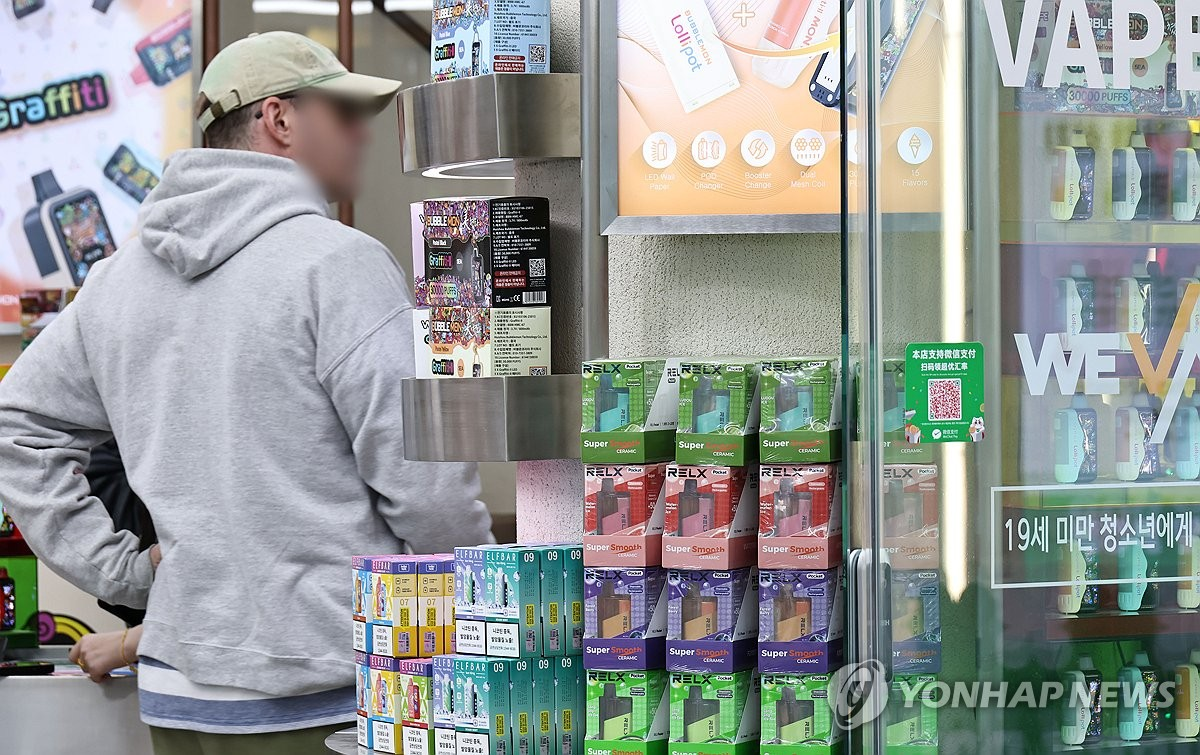
According to The Guardian on March 5th, several medical groups in New Zealand are calling for the country to follow Australia and classify e-cigarettes as prescription drugs. While smoking rates in New Zealand have dropped to historic lows in recent years, the proportion of underage individuals who use e-cigarettes has increased by more than three times between 2019 and 2021.
According to data released in 2022, smoking rates in New Zealand have decreased to 8%, but the daily number of people using electronic cigarettes has increased more than the decrease in daily smokers. The increase is particularly pronounced among young people, especially minors aged 14, with the proportion of daily e-cigarette users rising from 3.1% in 2019 to 9.6% in 2021.
In 2021, the Australian government introduced a law that states that vapor products containing nicotine can only be obtained through a prescription from a doctor.
Many scholars in New Zealand are advocating for the adoption of Australia's laws regulating e-cigarettes. Dr. Collin Tukuitonga, who has worked for the Ministry of Health, has said that he hopes to see the rise in youth smoking leveled off. However, if the trend continues, further restrictions may be necessary, including the possibility of making e-cigarettes available only with a prescription.
The New Zealand government is currently reviewing its e-cigarette regulations. In January of this year, Deputy Health Minister Ayesha Verrall stated that the government is consulting on amending the laws around vaping, saying that "the proportion of young people vaping is too high" and that the government "needs to strike a better balance." The proposed amendments primarily focus on limiting the sale of e-cigarettes in certain locations, reducing nicotine content, and changing packaging, rather than starting with a pharmacy or prescription model.
As previously reported by 2FIRSTS, New Zealand has become the first country in the world to implement an annual increase in the legal smoking age. On December 14, 2022, the country passed the Smoke-free Environments and Regulated Products (Smoked Tobacco) Amendment, which prohibits the sale of cigarettes to anyone born on or after January 1, 2009.
However, this legislation does not ban e-cigarette products. Previously, the New Zealand government had hoped to lower the maximum concentration of nicotine salts in disposable products from 50mg/mL to 35mg/mL, and also wanted e-cigarette companies to print serial numbers or batch numbers on their products for traceability purposes.
In January 2023, former New Zealand prime minister Jacinda Ardern revealed to the media that she believes electronic cigarettes can be an effective tool to help smokers quit.
Reference(s):
New Zealand health groups are calling for vapes to be made available only with a pharmacy prescription, according to reports.
Here is the original text of the amendment on smoke-free environments and regulated products (smoked tobacco) translated into standard journalistic English: This is the original text of the amendment that deals with smoke-free environments and regulated products, specifically smoked tobacco.
Disclaimer
This article is provided solely for professional research, industry discussion, and informational purposes. Any references to brands, companies, products, technologies, or policies are made for factual reporting and analytical purposes only, and do not constitute endorsement, recommendation, promotion, or advertising by 2Firsts.
Nicotine-containing products, including but not limited to cigarettes, e-cigarettes, heated tobacco products, and nicotine pouches, carry significant health risks. Readers are responsible for complying with all applicable laws and regulations in their respective jurisdictions, including age restrictions and access limitations.
The information contained in this article should not be regarded as investment, legal, medical, regulatory, or commercial advice. While 2Firsts strives to ensure the accuracy and reliability of its content, it does not assume liability for any direct or indirect loss arising from errors, omissions, inaccuracies, or reliance on the information contained herein.
This article is not intended for individuals below the legal age for accessing tobacco or nicotine-related information in their jurisdiction.
Copyright Notice
This article is either original content produced by 2Firsts or content reproduced, translated, summarized, or adapted from third-party sources with attribution where applicable. The intellectual property rights of the original content remain with 2Firsts or the respective original rights holders.
No individual or organization may copy, reproduce, distribute, republish, modify, translate, or otherwise use this content without prior authorization. Any unauthorized use may result in legal action.
For copyright-related inquiries, corrections, or removal requests, please contact: info@2firsts.com.
AI-Assisted Translation and Editing Notice
Portions of this article may have been translated, edited, or reviewed with the assistance of artificial intelligence tools to improve efficiency and readability. Due to the limitations of AI-assisted translation and editing, discrepancies, omissions, or inaccuracies may exist when compared with the original source.
Where applicable, readers are advised to refer to the original source for the most complete and accurate information. If you identify any errors or believe that any content infringes upon your rights, please contact us at info@2firsts.com, and we will review and address the matter promptly.