Coalition of Health Experts Call For Ban on Social Media Influencers

Events by VapingPost
May.18.2022
Coalition of Health Experts Call For Ban on Social Media Influencers
A coalition of over 100 global health and tobacco control groups, have called for a ban on the promotion of nicotine products by social media influencers.

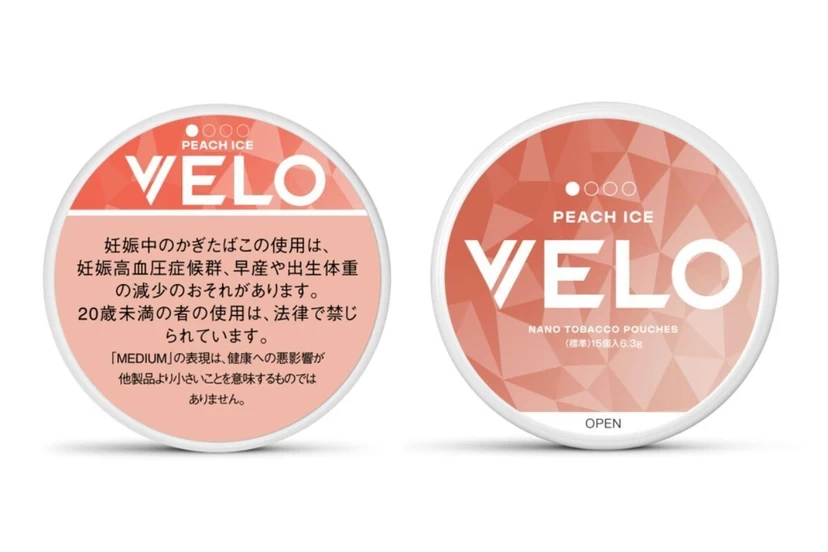
In a letter to the CEOs of Facebook, Instagram, TikTok and Twitter the group demanded an end to the promotion of tobacco and nicotine products. Countless influencers, including DJs, models and socialites, promote products such as BAT’s Velo, the flavoured nicotine pouch which tobacco harm reduction experts would only recommend for smoking cessation. Among the influencers promoting this product are Made in Chelsea star Alex Mytton and racing driver Archie Hamilton.


Nicotine pouches may be be less biologically active than cigarettes and snus


Meanwhile, a 2020 (non-independent) study conducted by BAT, compared the tobacco company’s Velo nicotine pouches with a cigarette and a Swedish-style snus pouch. The nicotine pouches were found to be less biologically active than cigarette smoke and snus, even at greater concentrations of nicotine and across a range of tests. In fact, during many attempts Velo failed to elicit a biological response at all, which led the researchers to conclude that they are safer than traditional cigarettes and Swedish-style snus.


Also last year BAT announced it was launching a new plant at an estimated cost of Sh2.5 billion, to start the production of nicotine pouches in Kenya. The plan was to trade under the Lyft brand and target the African market. Yet the country’s Ministry of Health and civil society lobby groups, such as International Institute for Legislative Affairs, resisted the sales of the products, and announced a ban in October 2020.


Naturally, many health entities believe that BAT’s only interest is hooking young adults on a new product in order to enjoy a steady revenue. “The true intention of these ads is quite clear: to keep customers addicted to nicotine and to entice young people to try nicotine products,” Caroline Renzulli, of the Campaign for Tobacco-Free Kids,” told the Guardian.


Source:VapingPost

New Zealand Survey Finds Adult Daily Vaping Prevalence at 11.7%, Concentrated Among Youth and Disadvantaged Groups)
A survey report released by the Public Health Communication Centre Aotearoa shows that despite New Zealand implementing stricter vaping regulations in 2025, including a ban on disposable products and tighter flavour restrictions, daily vaping rates continue to rise. The research body urges close monitoring of behavioural changes following the new rules coming into force.
Dec.05 by 2FIRSTS.ai
South Korea Again Delays Tobacco Business Act Amendment on Synthetic Nicotine
South Korea’s amendment to the Tobacco Business Act, which would classify synthetic nicotine vapes and vape liquids as “tobacco” for regulatory and taxation purposes, has been delayed once again. Despite the government stressing its urgency due to youth access and risks of illicit drug mixing, both ruling and opposition parties at the Legislation and Judiciary Committee meeting agreed that the bill requires further discussion.
Nov.13 by 2FIRSTS.ai
Altria and NJOY Sue ITC, Claim Judge Appointment Process Is Unconstitutional
Altria Group and its NJOY subsidiary have filed a lawsuit in Virginia federal court challenging the U.S. International Trade Commission’s process for appointing administrative law judges. The companies allege the system violates the U.S. Constitution and seek to halt an ITC patent investigation initiated by rival Juul.
Nov.10
Special Report | Anti-Vaping Campaign in the Baltics Goes Sideways
2Firsts analyzes vaping regulations across the Baltic states. Following Latvia’s flavor ban, tax revenues fell and the black market expanded, while similar measures in Estonia and Lithuania have also failed to deliver results. The region’s anti-vaping policies are now triggering market imbalance and policy reassessment.
Oct.13
Morocco Aligns Cigarette Pricing Structure with New 2026 Tax Adjustment
Morocco will raise retail cigarette prices by 1–2 dirhams (≈ US$ 0.10–0.20) per pack starting January 1, 2026, as part of the final phase of its tobacco tax reform. The adjustment mainly affects value-category cigarette brands; premiums remain largely unchanged.
Dec.01
Poll Shows Britons Favor Regulation Over Bans on Nicotine Pouches
A new poll commissioned by We Vape UK reveals that most Britons favor regulation — not prohibition — of nicotine pouches. The survey shows broad public support for harm-reduction policies and frustration with weak government regulation, contrasting sharply with Ireland’s recent decision to ban disposable vapes and impose strict limits on nicotine products.
Nov.25 by 2FIRSTS.ai