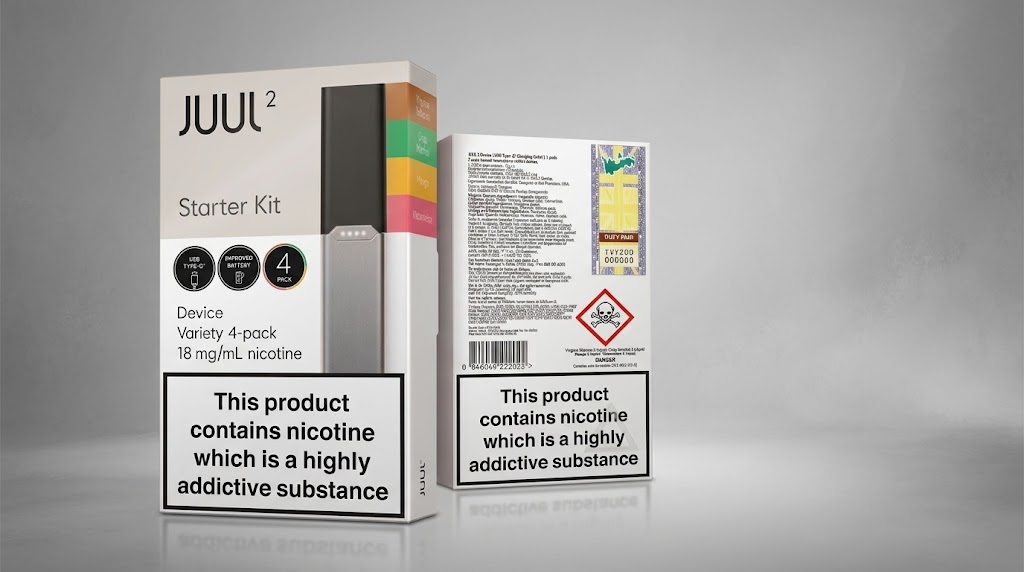
According to a report by CPR on March 27, schools in Colorado have received $11.4 million from a settlement with e-cigarette manufacturer Juul. Phil Weiser, the Attorney General of the state, stated that this funding will be used to help address the issue of underage vaping.
The Colorado state legal department will collaborate with the education department to allocate this funding. Weiser hopes that this funding will be used for prevention, rather than punishment.
We hope to help young people establish valuable connections. If they are young people who are using e-cigarettes, we hope they can share this information and get help. If they are young people who are considering using e-cigarettes or feeling uncomfortable, anxious or depressed, we hope they can admit this to peers and trusted adults, and help them build a healthier, more resilient life.
Last year, Colorado received nearly $32 million from settlements with Juul and five other states and the District of Columbia. The total amount of the settlements reached $462 million. At the time, the state had the highest teenage smoking rate among all states in the U.S.
According to Weather, the compensation money will be used to help children make "wise and better decisions" regarding their health and well-being. He pointed out that this disposable fund alone cannot solve the mental health crisis among young people, and more resources are needed. "It is heartbreaking that educators, parents, and communities need far more than just this amount."
Colorado Education Commissioner Susana Córdova announced in a press release that the new "e-cigarette Prevention Education Grant" aims to address the issue of teen e-cigarette use through comprehensive education, prevention, and treatment strategies. The grant may also include mental and behavioral health services. Starting from the next school year, up to $3.8 million will be distributed annually for three years to local K-12 education providers.
This grant will be used for:
- Provide professional development opportunities for school staff;
- Increase family and community involvement to promote students' healthy lifestyle choices; incorporate activities and planning that reflect the voices of youth and are culturally sensitive;
- Modify or enhance comprehensive e-cigarette and drug prevention policies.
We welcome news tips, article submissions, interview requests, or comments on this piece.
Please contact us at info@2firsts.com, or reach out to Alan Zhao, CEO of 2Firsts, on LinkedIn
Notice
1. This article is intended solely for professional research purposes related to industry, technology, and policy. Any references to brands or products are made purely for objective description and do not constitute any form of endorsement, recommendation, or promotion by 2Firsts.
2. The use of nicotine-containing products — including, but not limited to, cigarettes, e-cigarettes, nicotine pouchand heated tobacco products — carries significant health risks. Users are responsible for complying with all applicable laws and regulations in their respective jurisdictions.
3. This article is not intended to serve as the basis for any investment decisions or financial advice. 2Firsts assumes no direct or indirect liability for any inaccuracies or errors in the content.
4. Access to this article is strictly prohibited for individuals below the legal age in their jurisdiction.
Copyright
This article is either an original work created by 2Firsts or a reproduction from third-party sources with proper attribution. All copyrights and usage rights belong to 2Firsts or the original content provider. Unauthorized reproduction, distribution, or any other form of unauthorized use by any individual or organization is strictly prohibited. Violators will be held legally accountable.
For copyright-related inquiries, please contact: info@2firsts.com
AI Assistance Disclaimer
This article may have been enhanced using AI tools to improve translation and editorial efficiency. However, due to technical limitations, inaccuracies may occur. Readers are encouraged to refer to the cited sources for the most accurate information.
We welcome any corrections or feedback. Please contact us at: info@2firsts.com