A study conducted on healthy children in Colorado has revealed a "promising trend" in the use of tobacco products among teenagers and in businesses. The survey results were released in June by Colorado's Department of Public Health and Environment (CDPHE). The study included both high school and middle school students.
The latest data is encouraging," said Natalya Versheure, a tobacco project manager at the Colorado Department of Public Health and Environment (CDPHE). "However, there is still more work to be done. We recommend that parents, schools, and communities continue to encourage teenagers to make healthy choices and strengthen their non-smoking habits.
For the first time since 2015, officials have reported a significant decrease in the use of e-cigarettes among high school students. The current figure stands at 16%, down from 26% in 2019. There has also been a decline in the proportion of high school students using e-cigarettes (from 6% to 3%) and any tobacco products (from 29% to 17%).
The investigation also revealed that the percentage of students who vape decreased in 2019, as electronic cigarettes are cheaper than other tobacco products. Likewise, the percentage of students who believe that tobacco or e-cigarettes are easily accessible also decreased.
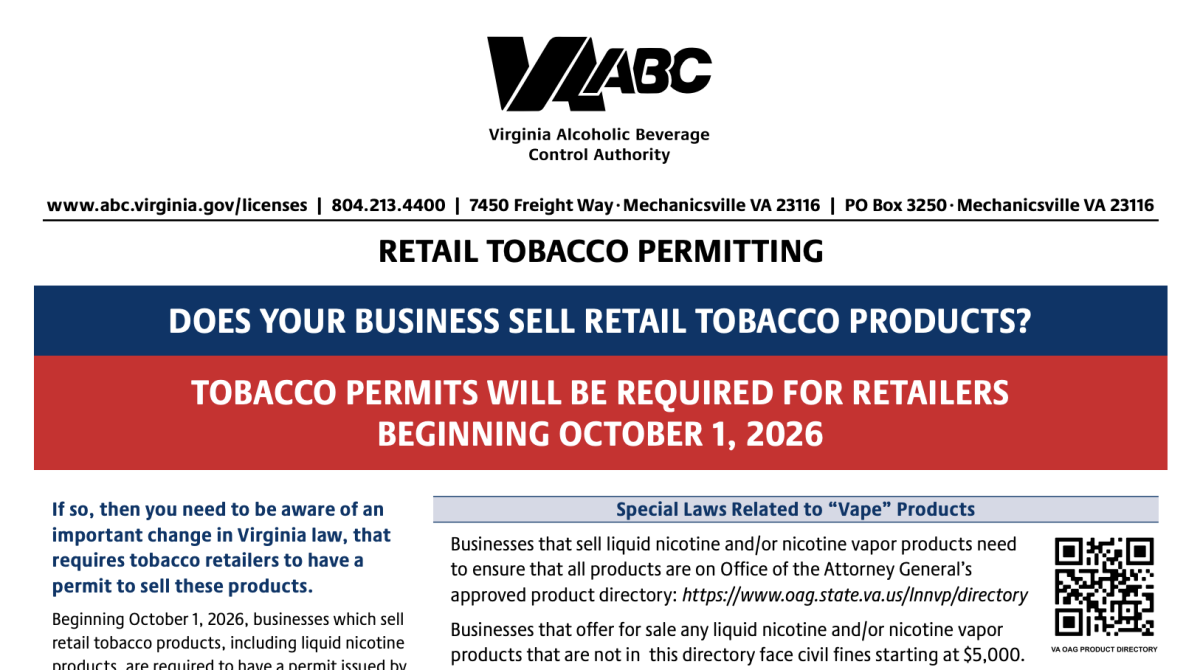
Officials stated in the news that "some policy changes over the past two years may have affected these numbers, including the EE proposal which introduced a tax on e-cigarettes starting January 1, 2021. Additionally, the tobacco law raised the minimum age for purchasing tobacco products from 18 to 21, and over 36 local ordinances in Colorado now require retailers selling tobacco products to obtain a license.
Although these are all positive trends, the latest data from the "Colorado State Healthy Kids Survey" shows that there are still some concerning areas. The percentage of students using electronic cigarette products for flavoring has increased to 23%. The data also shows that young people are trying vapor products at a very young age. The proportion of high school students who tried electronic cigarette products before the age of 13 has significantly increased from 13% in 2019 to 22% in 2021. The usage rate among middle school students remains stable.
New data indicates that students are becoming increasingly knowledgeable about smoking and vaping, with a growing number believing that both are unacceptable behaviors for young people. Additionally, a higher proportion now believe that nearby parents and other adults also see these habits as wrong.
Statement
This article has been compiled from third-party information and is intended for industry exchange and learning purposes only.
This article does not represent the views of 2FIRSTS, nor can 2FIRSTS confirm the authenticity and accuracy of the content. The translation of this article is only intended for industry exchange and research.
Due to limitations in translation ability, the translated article may not accurately reflect the original text. Please refer to the original article for accuracy.
2FIRSTS maintains full alignment with the Chinese government on any domestic, Hong Kong, Macau, Taiwan, and international issues, positions, and statements.
Copyright of compiled information belongs to the original media and author. If there is any infringement, please contact for removal.
Disclaimer
This article is provided solely for professional research, industry discussion, and informational purposes. Any references to brands, companies, products, technologies, or policies are made for factual reporting and analytical purposes only, and do not constitute endorsement, recommendation, promotion, or advertising by 2Firsts.
Nicotine-containing products, including but not limited to cigarettes, e-cigarettes, heated tobacco products, and nicotine pouches, carry significant health risks. Readers are responsible for complying with all applicable laws and regulations in their respective jurisdictions, including age restrictions and access limitations.
The information contained in this article should not be regarded as investment, legal, medical, regulatory, or commercial advice. While 2Firsts strives to ensure the accuracy and reliability of its content, it does not assume liability for any direct or indirect loss arising from errors, omissions, inaccuracies, or reliance on the information contained herein.
This article is not intended for individuals below the legal age for accessing tobacco or nicotine-related information in their jurisdiction.
Copyright Notice
This article is either original content produced by 2Firsts or content reproduced, translated, summarized, or adapted from third-party sources with attribution where applicable. The intellectual property rights of the original content remain with 2Firsts or the respective original rights holders.
No individual or organization may copy, reproduce, distribute, republish, modify, translate, or otherwise use this content without prior authorization. Any unauthorized use may result in legal action.
For copyright-related inquiries, corrections, or removal requests, please contact: info@2firsts.com.
AI-Assisted Translation and Editing Notice
Portions of this article may have been translated, edited, or reviewed with the assistance of artificial intelligence tools to improve efficiency and readability. Due to the limitations of AI-assisted translation and editing, discrepancies, omissions, or inaccuracies may exist when compared with the original source.
Where applicable, readers are advised to refer to the original source for the most complete and accurate information. If you identify any errors or believe that any content infringes upon your rights, please contact us at info@2firsts.com, and we will review and address the matter promptly.