Concerns over the Accessibility of Nicotine E-cigarettes in Queensland, Australia

Aug.18.2022
Concerns over the Accessibility of Nicotine E-cigarettes in Queensland, Australia
Ease of purchasing nicotine e-cigarettes in Queensland, Australia raises concerns over enforcement of regulations. Doctors warn against targeting non-smokers, especially youths.

The accessibility of nicotine e-cigarettes in Queensland, Australia has become a matter of concern. According to the American Medical Association, since October, Australians must have a prescription to legally obtain e-cigarettes containing nicotine, but the regulatory measures have not been effectively enforced. Doctors have expressed that these products are "clearly" targeted towards non-smokers, specifically youth and young adults.


According to a doctor, electronic cigarette products are "clearly" targeted towards non-smokers (image source: AP). Maria Bolton, the president of the Queensland Medical Association, stated that tobacco companies promote e-cigarettes as a smoking cessation aid, but currently liquid nicotine e-cigarette products are not approved for use in Australia.


According to the American Medical Association, despite nearly 84% of individuals never having smoked, over 20% of 18-24 year olds have used e-cigarettes in the 2020-21 year. State government data reveals that approximately 16% of Queensland high school students have reported using e-cigarettes.


Dr. Boulton stated that many teenagers believe that the dangers of vaping are lower than smoking, but it can lead to addiction and inhaling heated gases has been proven to be harmful to the lungs.


Queensland's failure to enforce these laws means that these products are easily accessible, including some that are falsely labeled as "nicotine-free" and others that contain 50 times more nicotine than cigarettes.


A young woman living in the Brisbane city center reported that local suppliers have nicotine e-cigarettes available at their counters, and they will even offer discounts if you pay in cash. When she attempted to purchase non-nicotine e-cigarettes, she was told that the nicotine products were better. Another Brisbane resident suggested asking about available flavors and mentioning that you will pay in cash in order to purchase nicotine e-cigarettes. A woman from the Sunshine Coast claimed that "gift shops" sell e-cigarettes and nicotine versions are typically easy to obtain. However, she also noted that some legitimate vendors, usually tobacco retailers, do not easily sell nicotine products and require identification.


The American Medical Association has written to the Health Minister and Attorney General, urging them to "urgently correct these mistakes before the children of Queensland become the next generation of smokers and suffer the associated catastrophic health consequences".


Dr. Boulton is calling on the government to take action on a series of proposed legal reforms in its tobacco law reform discussion paper, including banning smoking in outdoor markets and school parking lots, disallowing children from smoking in bars and clubs, and requiring tobacco retailers to obtain licenses.


Queensland Health Minister Yvette D'Ath has announced that measures to crack down on the illegal tobacco industry are being considered as part of Queensland's smoking law reforms. In a statement released in May, she expressed the goal of granting authorities additional enforcement powers to combat the illegal tobacco trade.


Statement


This article is compiled from third-party information and is intended for industry professionals for exchange and learning purposes.


This article does not represent the viewpoint of 2FIRSTS, and 2FIRSTS cannot confirm the authenticity or accuracy of the content. The translation of this article is solely for industry communication and research purposes.


Due to limitations in translation abilities, the translated article may not fully express the same meaning as the original. Please refer to the original article for accuracy.


2FIRSTS completely aligns its statements and positions with the Chinese government on all domestic, Hong Kong, Macau, Taiwan, and foreign affairs.


The copyright of the compiled information belongs to the original media and author. If there is any infringement, please contact us for deletion.


Disclaimer

This article is provided solely for professional research, industry discussion, and informational purposes. Any references to brands, companies, products, technologies, or policies are made for factual reporting and analytical purposes only, and do not constitute endorsement, recommendation, promotion, or advertising by 2Firsts.

Nicotine-containing products, including but not limited to cigarettes, e-cigarettes, heated tobacco products, and nicotine pouches, carry significant health risks. Readers are responsible for complying with all applicable laws and regulations in their respective jurisdictions, including age restrictions and access limitations.

The information contained in this article should not be regarded as investment, legal, medical, regulatory, or commercial advice. While 2Firsts strives to ensure the accuracy and reliability of its content, it does not assume liability for any direct or indirect loss arising from errors, omissions, inaccuracies, or reliance on the information contained herein.

This article is not intended for individuals below the legal age for accessing tobacco or nicotine-related information in their jurisdiction.


Copyright Notice

This article is either original content produced by 2Firsts or content reproduced, translated, summarized, or adapted from third-party sources with attribution where applicable. The intellectual property rights of the original content remain with 2Firsts or the respective original rights holders.

No individual or organization may copy, reproduce, distribute, republish, modify, translate, or otherwise use this content without prior authorization. Any unauthorized use may result in legal action.

For copyright-related inquiries, corrections, or removal requests, please contact: info@2firsts.com.


AI-Assisted Translation and Editing Notice

Portions of this article may have been translated, edited, or reviewed with the assistance of artificial intelligence tools to improve efficiency and readability. Due to the limitations of AI-assisted translation and editing, discrepancies, omissions, or inaccuracies may exist when compared with the original source.

Where applicable, readers are advised to refer to the original source for the most complete and accurate information. If you identify any errors or believe that any content infringes upon your rights, please contact us at info@2firsts.com, and we will review and address the matter promptly.

Reuters Reveals California Raid on Illegal Vape Factory Involving Geek Bar and Foger, Days After WSJ Reported Importer's $1 Billion Factory Plan and White House Lobbying to Release Detained Vape Imports
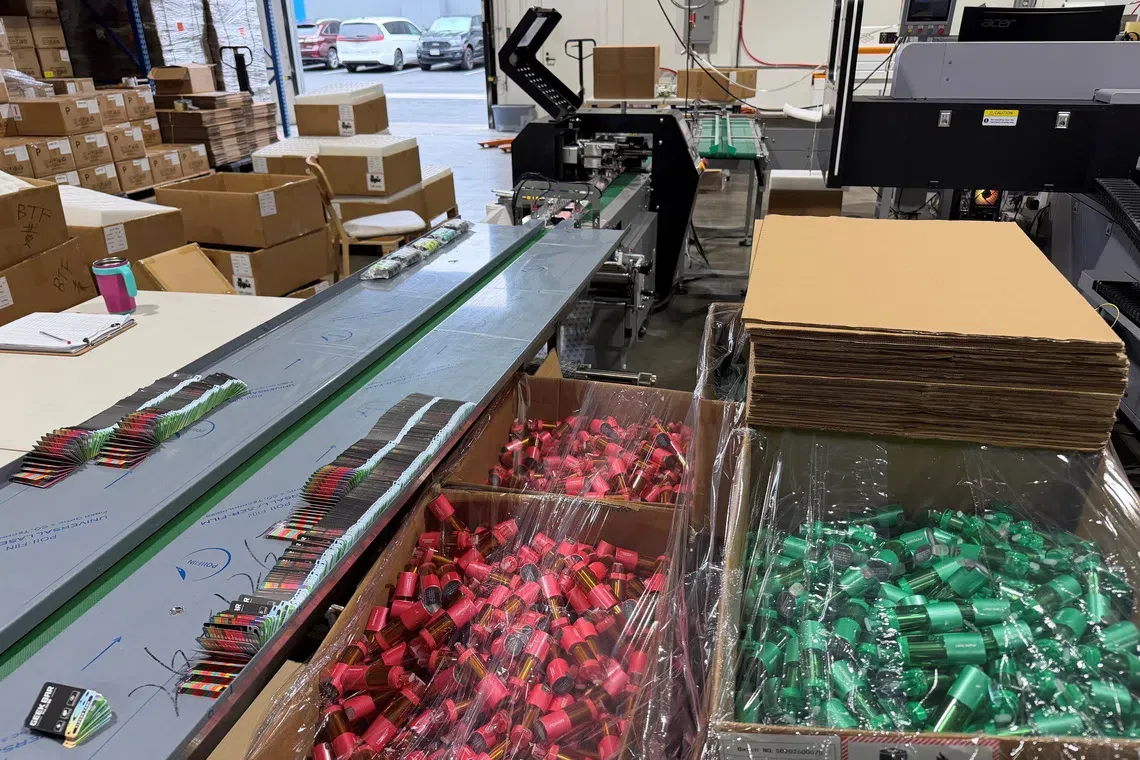
US authorities raided a suspected illegal vape manufacturing facility in Chino, California, on October 30, 2026, discovering production and packaging machinery, unfinished vaping devices and approximately 850,000 vape-related items associated with brands including Geek Bar and Foger, Reuters reported on November 17. A person involved in the investigation said the raid provided concrete evidence of some manufacturing activities involving major Chinese vape labels taking place in the United States. Four days earlier, The Wall Street Journal reported that Hillfield, a US importer of Geek Bar products, had enlisted politically connected advisers to seek the release of detained vape shipments while presenting a $1 billion US manufacturing plan to the White House. No connection between the proposed investment and the raided facility has been established.
Enforcement
Nov.17
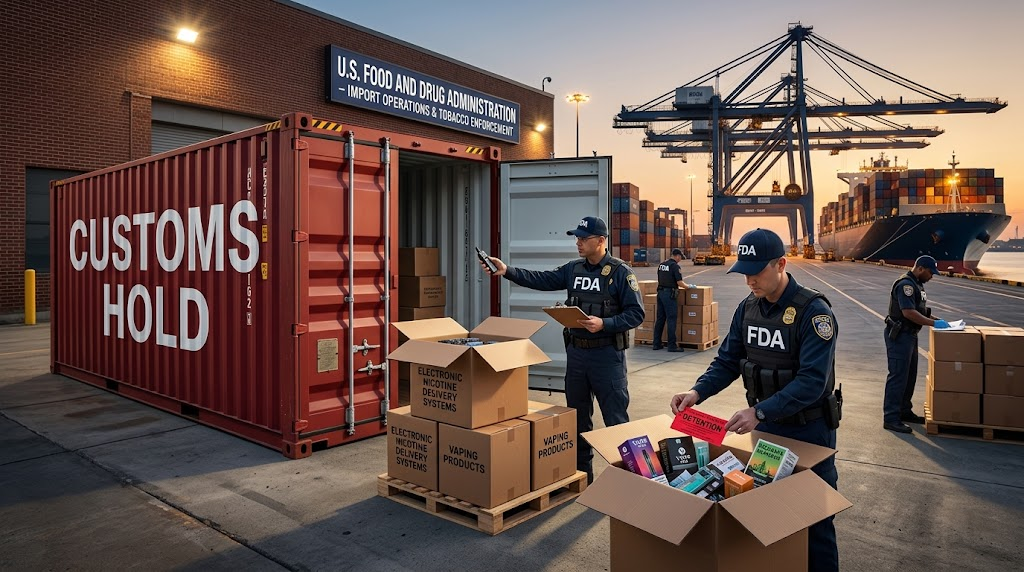
FDA Revises Import Alert 98-07 Rules, Bringing May Enforcement Priorities Into Unauthorized ENDS Detentions
The U.S. Food and Drug Administration has revised the rules under Import Alert 98-07 to incorporate its May 2026 enforcement-priority policy for certain electronic nicotine delivery systems marketed without premarket authorization. The alert continues to allow detention without physical examination, or DWPE, for ENDS lacking required marketing authorization, while directing field divisions to apply the May risk-based framework. When necessary, detention or refusal decisions must also undergo review by the FDA's Center for Tobacco Products. Products including PACHA and Vuse Pro have already emerged as industry examples of the May policy, although enforcement discretion does not constitute FDA marketing authorization.
News
Sep.28 by 2Firsts Perspectives
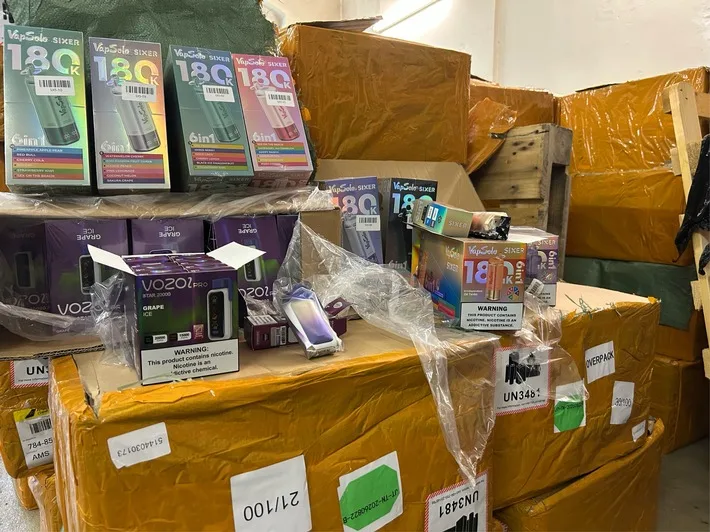
German Customs Seize 115,800 Vapes in €1.4 Million Tax Case
Germany's Magdeburg Main Customs Office seized 115,800 untaxed e-cigarettes containing a combined 4.366 million mL of e-liquid during four truck inspections between August 10 and September 4, 2026. The seizures prevented an estimated €1.397 million in tax losses and set a record for the customs office's jurisdiction. Criminal proceedings have been initiated against four truck drivers. The case follows a separate German investigation involving more than 7.6 million illicit vapes and an estimated €33.3 million in excise-tax losses.
Enforcement
Oct.13
Russia's State Duma Passes Tobacco and Nicotine Ingredient Disclosure Bill, Targeting 2027 End to Trade-Secret Protection for Certain Harmful Ingredient Data
Russia's State Duma passed a government-sponsored amendment on November 11, 2026, by 414 votes to none, seeking to prevent businesses from classifying information on the presence and number of types of certain harmful ingredients in tobacco and nicotine-containing products as trade secrets. The measure covers ingredients capable of increasing nicotine dependence or exhibiting toxic, carcinogenic, mutagenic or reproductive toxicity, including substances that acquire such properties during heating or smoldering. Bill No. 1286415-8 would amend Article 5 of Federal Law No. 98-FZ on Commercial Secrets and is scheduled to take effect on January 1, 2027. The bill has cleared all three readings in the State Duma but has not completed the remaining legislative procedures.
Regulations
Nov.12 by 2Firsts Perspectives
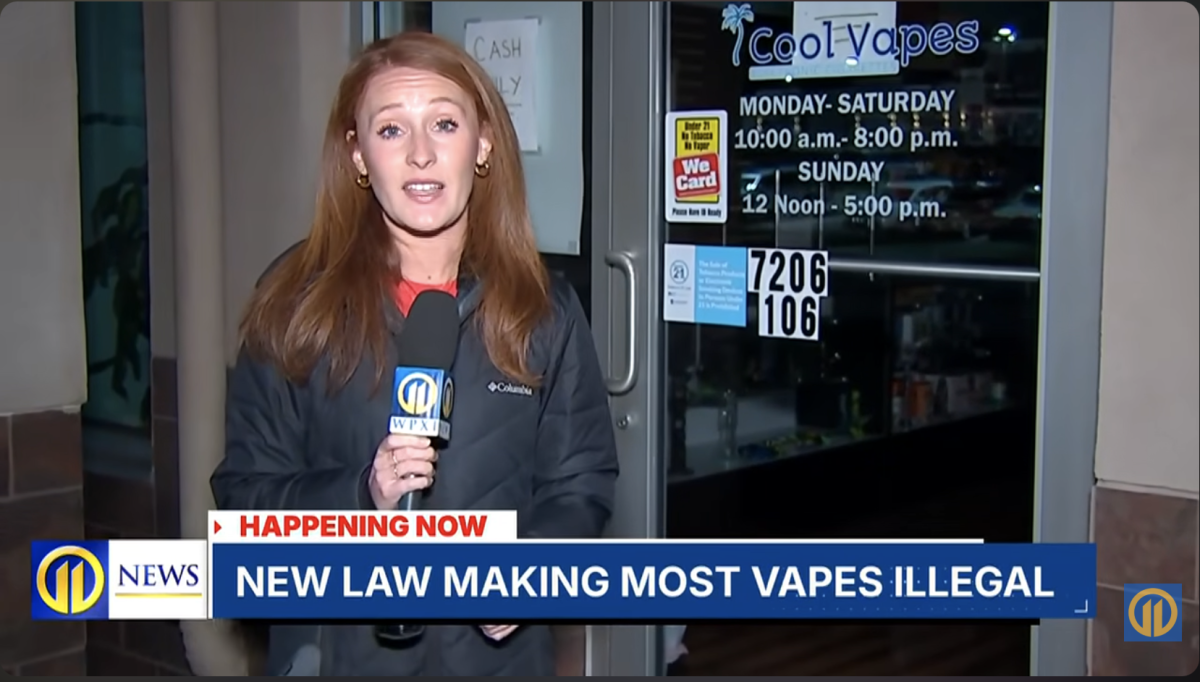
Pennsylvania Lists 163 Vape Products Eligible for Sale, Including Vuse and JUUL; Previously Pending Chinese Brands Such as OXBAR Remain Absent, While Unlisted Products Including Geek Bar Face Enforcement From October 19
Pennsylvania begins enforcing its electronic nicotine delivery system (ENDS) directory restrictions on October 19, 2026. The October 18 directory contained 163 product records from seven manufacturers, including Vuse, JUUL, NJOY, Logic and Naked 100. Geek Bar, RAZ and Lost Mary were absent. BAT, Altria, Japan Tobacco and JUUL collectively accounted for 112 records, or 68.7%, while Imperial Brands' blu had no listings. The directory included 15 disposable vape records, 40 bottled e-liquids and 10 products labeled 0mg, but no open-system refillable devices. Twenty-two manufacturer certifications remained under review. Four Logic models corresponding to Smoore's pending records were listed under the brand owner, while LYCO, OXBAR and Boulder/Rock had no approved directory entries.
Regulations
Oct.19
Japan's Heated Tobacco Use Rises From 0.1% to 14.9% Over a Decade as Growth Extends Beyond Cigarette Switching
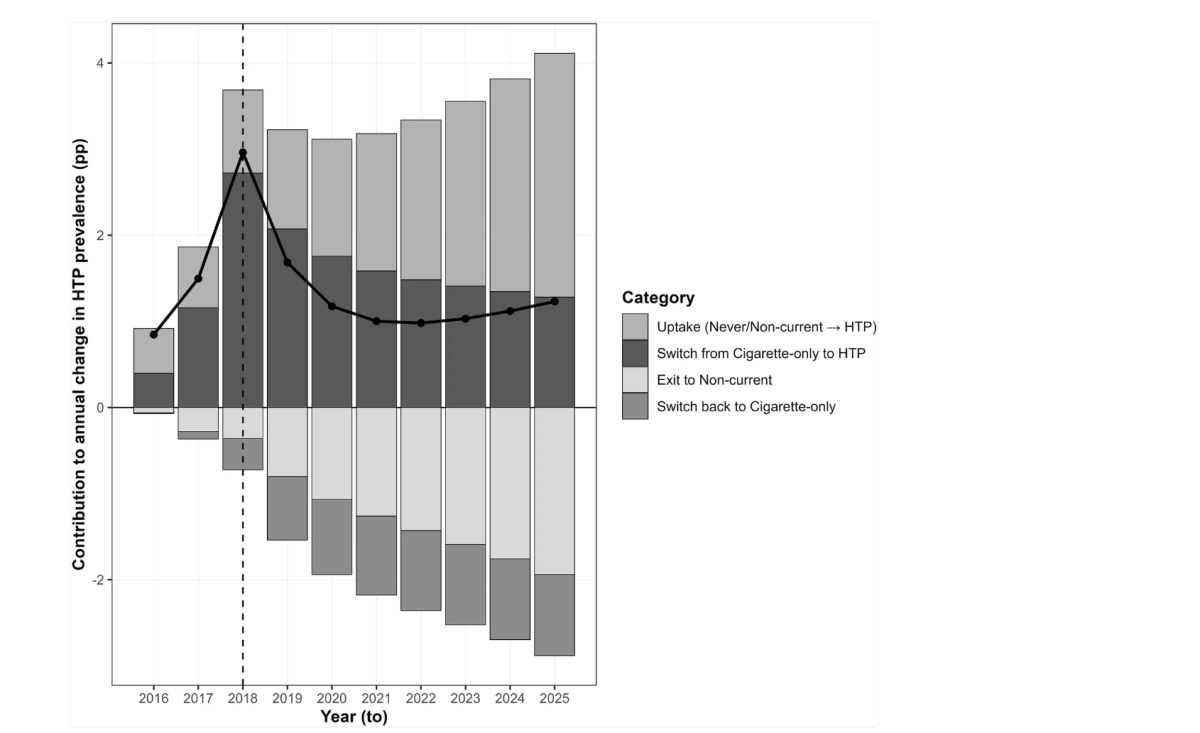
A decade-long study published in The Lancet Regional Health – Western Pacific found that heated tobacco product use in Japan increased from 0.1% in 2015 to 14.9% in 2025, although growth slowed after 2018. Switching from conventional cigarettes remained an important source of HTP uptake, while the contribution from previously non-current users increased. Approximately 56% of HTP users also smoked conventional cigarettes in 2025. Separate industry data show that Japan's heated tobacco sales reached 73.4 billion units in fiscal 2025, approaching conventional cigarette sales of 78.2 billion units.
SCIENCE
Nov.10