Key Takeaways
- U.S. convenience stores are restructuring backbar displays as product mix and regulatory changes drive more space toward nicotine pouches and other modern oral products.
- The New York Association of Convenience Stores says nicotine pouch sales are up more than 40% this year, with strong momentum expected to continue next year.
- Midwestern convenience-store chain InConvenience Inc has sharply reduced cigarette display space to roughly four feet, shifting resources toward faster-growing alternatives.
- Some retailers are experimenting with zero-nicotine and herbal products, though these remain niche with limited impact on the broader tobacco/nicotine market.
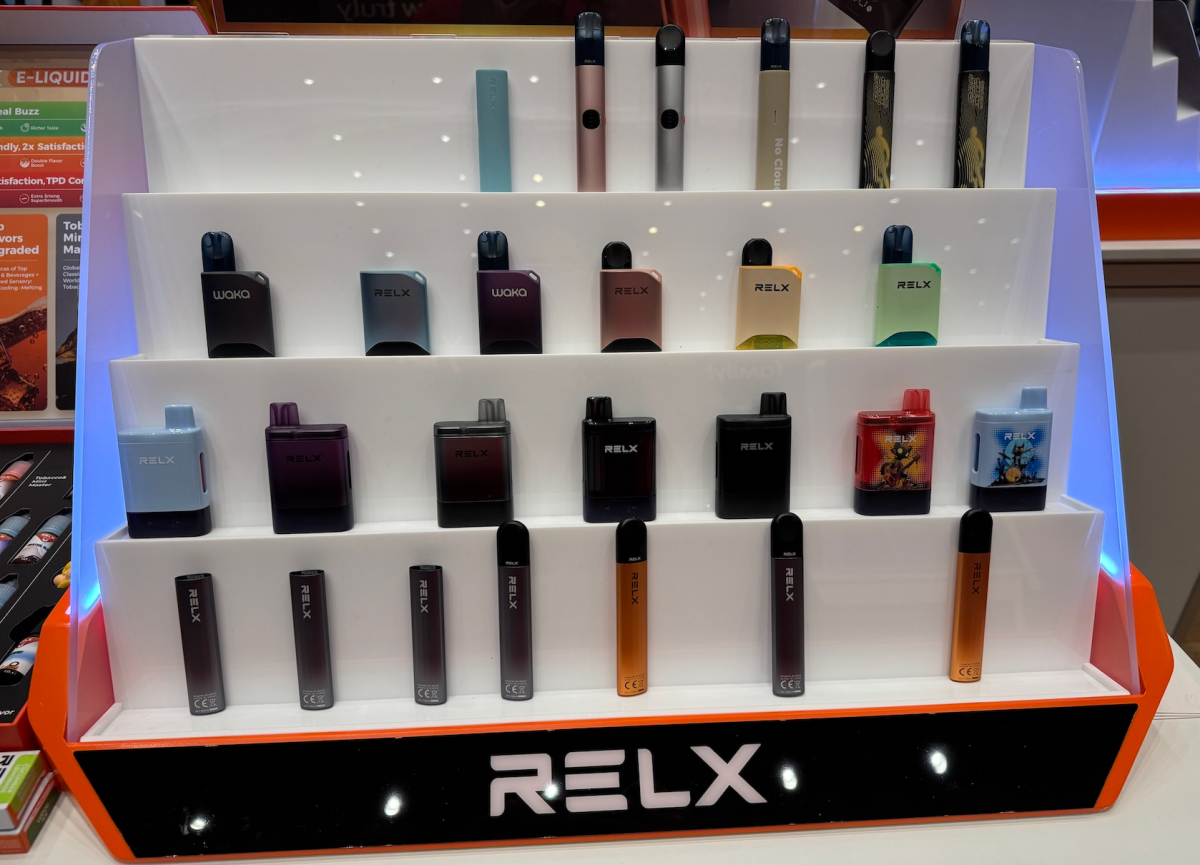
2Firsts, December 4, 2025 — According to CStore Decisions, U.S. convenience retailers are reassessing their backbar layouts amid shifts in product mix and regulatory pressures, aiming to optimize space and align with evolving consumer trends.
Alison Ritchie, president of the New York Association of Convenience Stores (NYACS), said nicotine pouch sales have climbed more than 40% this year, and the category is expected to maintain strong growth into next year.
In the U.S. Midwest, the emerging convenience and fuel chain InConvenience Inc has allocated dedicated backbar space for modern oral products from the outset. Category manager Erin Slater noted that the company avoids crowding products at the traditional checkout counter, instead relying on structured backbar shelving to improve merchandising efficiency.
According to the report, the chain’s cigarette set spans roughly four feet (about 1.2 meters), significantly narrower than that of a typical convenience store.
At the same time, cigarette sales continue to decline due to high state excise taxes and restrictions on discounts and coupons. To balance revenue, many retailers are reducing cigarette facings and redirecting limited space toward higher-growth alternatives. Cigarettes remain the largest single backbar revenue category, but the downward trend is viewed within the industry as predictable and relatively manageable.
Retailers remain cautiously optimistic about vapor products and other nicotine categories. Stronger enforcement by federal, state, and local authorities could help manufacturers and marketers regain confidence in compliant products, potentially supporting a recovery in sales.
A number of more “progressive” stores are also testing zero-nicotine products and herbal alternatives such as kratom. These categories remain niche and are primarily explored by independent retailers. NYACS says it will continue monitoring regulations and consumer trends, though their short-term impact on the overall tobacco and nicotine market is limited.
Cover image: CStore Decisions
We welcome news tips, article submissions, interview requests, or comments on this piece.
Please contact us at info@2firsts.com, or reach out to Alan Zhao, CEO of 2Firsts, on LinkedIn
Notice
1. This article is intended solely for professional research purposes related to industry, technology, and policy. Any references to brands or products are made purely for objective description and do not constitute any form of endorsement, recommendation, or promotion by 2Firsts.
2. The use of nicotine-containing products — including, but not limited to, cigarettes, e-cigarettes, nicotine pouchand heated tobacco products — carries significant health risks. Users are responsible for complying with all applicable laws and regulations in their respective jurisdictions.
3. This article is not intended to serve as the basis for any investment decisions or financial advice. 2Firsts assumes no direct or indirect liability for any inaccuracies or errors in the content.
4. Access to this article is strictly prohibited for individuals below the legal age in their jurisdiction.
Copyright
This article is either an original work created by 2Firsts or a reproduction from third-party sources with proper attribution. All copyrights and usage rights belong to 2Firsts or the original content provider. Unauthorized reproduction, distribution, or any other form of unauthorized use by any individual or organization is strictly prohibited. Violators will be held legally accountable.
For copyright-related inquiries, please contact: info@2firsts.com
AI Assistance Disclaimer
This article may have been enhanced using AI tools to improve translation and editorial efficiency. However, due to technical limitations, inaccuracies may occur. Readers are encouraged to refer to the cited sources for the most accurate information.
We welcome any corrections or feedback. Please contact us at: info@2firsts.com