According to Islands Business on July 23, Te Marae Ora, the Cook Islands Ministry of Health, has approved 37 out of 43 applications to sell tobacco products. These successful applicants will be able to start selling tobacco products from August 1, 2024, under the new Tobacco Control Amendment Act 2024.
Health Minister Bob Williams stated that there are still six applications pending approval, requiring further information to be provided.
The bill stipulates that those wishing to sell tobacco must apply for a tobacco import and distribution license. The legal age for the sale of tobacco products has been raised from 18 to 21, and smoking is prohibited in all public places, except for a few unenclosed spaces not subject to the ban.
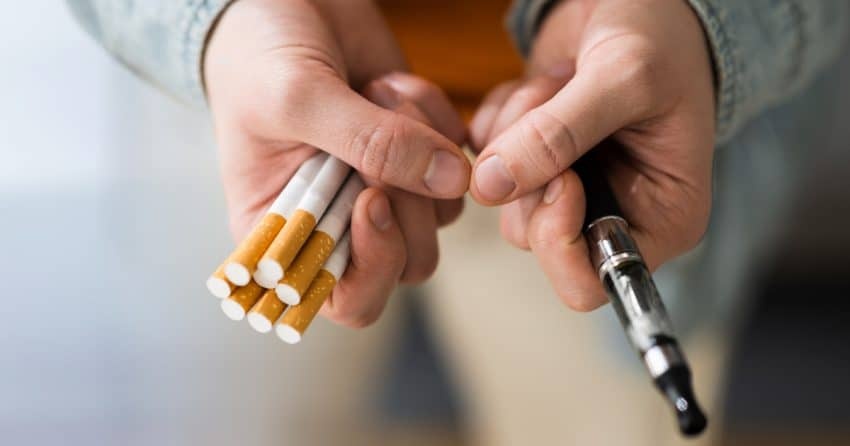
In addition, the bill also prohibits the manufacturing, importing, selling, distributing, and advertising of imitation tobacco products, including e-cigarettes, in the Cook Islands. From the date of enactment, individuals residing in the Cook Islands within the past six months are prohibited from importing imitation tobacco products.
The bill was passed in parliament in May of this year, originally slated to take effect on July 1st. However, in order to give businesses more time to sell their existing e-cigarette inventory, the implementation date has been extended.
All approved applications will be issued tobacco sales licenses starting from August 1, including companies that import tobacco products and submit tobacco testing reports.
This also means that residents living in the Cook Islands for the past six months will not be allowed to import, sell, or distribute imitation tobacco products, such as e-cigarettes.
In the past six months, individuals living outside of the Cook Islands and continuing to reside outside of the island are only allowed to bring in one device and a maximum of 30 milliliters of e-liquid for personal use. They are not permitted to sell or distribute, and can only use it for themselves.
Williams added that all companies or vendors selling e-cigarettes, including those without a tobacco sales license, are required to cease sales starting from August 1st.
The policy of the bill includes:
The Cook Islands have implemented strict regulations on the manufacturing, importing, selling, distributing, and advertising of imitation tobacco products such as e-cigarettes, as well as the manufacturing of tobacco products. Violators will face fines of up to 100,000 New Zealand dollars or imprisonment for up to three months. Importers, distributors, and sellers of tobacco products must hold valid licenses and adhere to all license conditions in order to distribute or sell products. Sale of tobacco products online is prohibited, except for business-to-business sales between importers and distributors. Violators will face fines of up to 10,000 New Zealand dollars or imprisonment for up to three months, or fines of up to 100,000 New Zealand dollars with an additional 10,000 New Zealand dollars per day for each violation. Retailers of tobacco products are not allowed to display the products for sale, and violators will face fines of up to 1,000 New Zealand dollars or one month of imprisonment, or fines of up to 10,000 New Zealand dollars with an additional 1,000 New Zealand dollars per day for each continued violation. The legal age for tobacco sales is 21. The use of tobacco products and imitation tobacco is prohibited in all public places, including bars, restaurants, workplaces, public transportation, and educational institutions, except for designated outdoor areas.
We welcome news tips, article submissions, interview requests, or comments on this piece.
Please contact us at info@2firsts.com, or reach out to Alan Zhao, CEO of 2Firsts, on LinkedIn
Notice
1. This article is intended solely for professional research purposes related to industry, technology, and policy. Any references to brands or products are made purely for objective description and do not constitute any form of endorsement, recommendation, or promotion by 2Firsts.
2. The use of nicotine-containing products — including, but not limited to, cigarettes, e-cigarettes, nicotine pouchand heated tobacco products — carries significant health risks. Users are responsible for complying with all applicable laws and regulations in their respective jurisdictions.
3. This article is not intended to serve as the basis for any investment decisions or financial advice. 2Firsts assumes no direct or indirect liability for any inaccuracies or errors in the content.
4. Access to this article is strictly prohibited for individuals below the legal age in their jurisdiction.
Copyright
This article is either an original work created by 2Firsts or a reproduction from third-party sources with proper attribution. All copyrights and usage rights belong to 2Firsts or the original content provider. Unauthorized reproduction, distribution, or any other form of unauthorized use by any individual or organization is strictly prohibited. Violators will be held legally accountable.
For copyright-related inquiries, please contact: info@2firsts.com
AI Assistance Disclaimer
This article may have been enhanced using AI tools to improve translation and editorial efficiency. However, due to technical limitations, inaccuracies may occur. Readers are encouraged to refer to the cited sources for the most accurate information.
We welcome any corrections or feedback. Please contact us at: info@2firsts.com