According to a January 17th report by British media outlet EINPresswire, the latest analysis from financial experts at RIFT suggests that the total amount of tobacco and alcohol tax received by the HM Revenue and Customs (HMRC) in the UK last year declined at the fastest annual rate in twenty years. Despite a continuous upward trend in tobacco and alcohol revenue during the same period, the data suggests that we may be seeing a trend of decreasing alcohol consumption and smoking habits.
RIFT has analyzed the latest data on tobacco and alcohol tax revenues from HMRC (up to December 2023), illustrating the changes in these tax revenues over the past 20 years and comparing them to NHS healthcare expenditures caused by smoking and alcohol consumption.
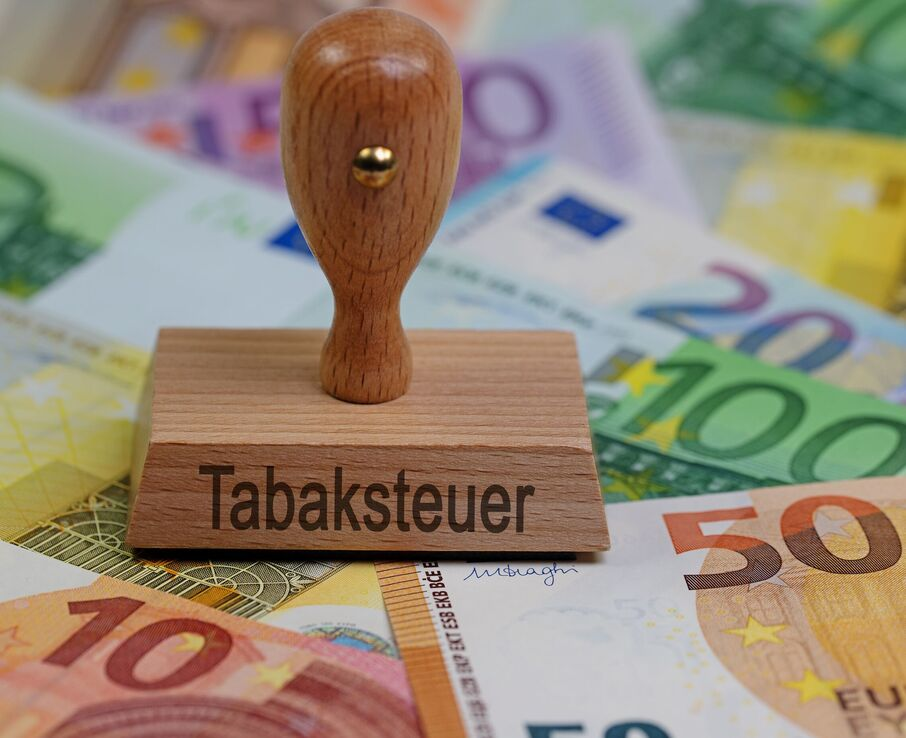
Analysis shows that the UK customs collected over £10 billion in tobacco taxes in the 2022/23 fiscal year. Although this is the second-highest total in the past twenty years, it signifies a 2.7% annual decrease, marking the third significant annual decline in two decades. Meanwhile, alcohol taxes paid in the 2022/23 fiscal year amounted to £12.4 billion, the highest total in the past 20 years. However, this represents a 5.1% annual decrease, the most severe single-year decline in two decades. Consequently, the total amount of taxes paid on tobacco and alcohol products last year reached £22.4 billion, despite the substantial sum, it indicates a 4% annual decrease, representing the largest annual reduction in the past 20 years.
This also marks the fourth consecutive year of decline in overall tobacco and alcohol tax revenues over the past two decades. Interestingly, in 2003/04, tobacco taxes accounted for 52% of HMRC's total income, but this proportion has now shifted, with alcohol taxes making up 55%. While smoking and drinking are detrimental to health, additional research by RIFT reveals that smoking-related medical expenses cost the NHS approximately £3.4 billion annually, whereas alcohol-related healthcare issues amount to £4.1 billion each year. Together, these expenses result in an expenditure of nearly £7.5 billion per year due to smoking and alcohol-related problems.
Although the figure itself is substantial, it only represents one-third of HMRC's total revenue from tobacco and alcohol taxes for the 2022/23 fiscal year.
RIFT General Manager Bradley Post commented, "Smoking and drinking are primary vices that many of us hope to quit, and we expect to begin the new year with a positive attitude. Currently, tobacco and alcohol tax revenues remain at their second-highest level in the past twenty years, generating approximately three times the estimated cost of medical services. However, both sources of tax revenue have seen the fastest decline in the past two decades.
One important issue to consider is the rise of e-cigarettes. Currently, e-cigarettes are not subject to the same taxation as tobacco products, although this situation may soon change. As a relatively new phenomenon, we do not yet know how many people choose to use e-cigarettes or what impact this will have on the NHS in the coming years.
We welcome news tips, article submissions, interview requests, or comments on this piece.
Please contact us at info@2firsts.com, or reach out to Alan Zhao, CEO of 2Firsts, on LinkedIn
Notice
1. This article is intended solely for professional research purposes related to industry, technology, and policy. Any references to brands or products are made purely for objective description and do not constitute any form of endorsement, recommendation, or promotion by 2Firsts.
2. The use of nicotine-containing products — including, but not limited to, cigarettes, e-cigarettes, nicotine pouchand heated tobacco products — carries significant health risks. Users are responsible for complying with all applicable laws and regulations in their respective jurisdictions.
3. This article is not intended to serve as the basis for any investment decisions or financial advice. 2Firsts assumes no direct or indirect liability for any inaccuracies or errors in the content.
4. Access to this article is strictly prohibited for individuals below the legal age in their jurisdiction.
Copyright
This article is either an original work created by 2Firsts or a reproduction from third-party sources with proper attribution. All copyrights and usage rights belong to 2Firsts or the original content provider. Unauthorized reproduction, distribution, or any other form of unauthorized use by any individual or organization is strictly prohibited. Violators will be held legally accountable.
For copyright-related inquiries, please contact: info@2firsts.com
AI Assistance Disclaimer
This article may have been enhanced using AI tools to improve translation and editorial efficiency. However, due to technical limitations, inaccuracies may occur. Readers are encouraged to refer to the cited sources for the most accurate information.
We welcome any corrections or feedback. Please contact us at: info@2firsts.com