E-Cigarette Companies Shift Operations Offshore to Bypass FDA Regulations, Including Lost Mary and Elfbar Brands

Feb.25.2025
E-Cigarette Companies Shift Operations Offshore to Bypass FDA Regulations, Including Lost Mary and Elfbar Brands
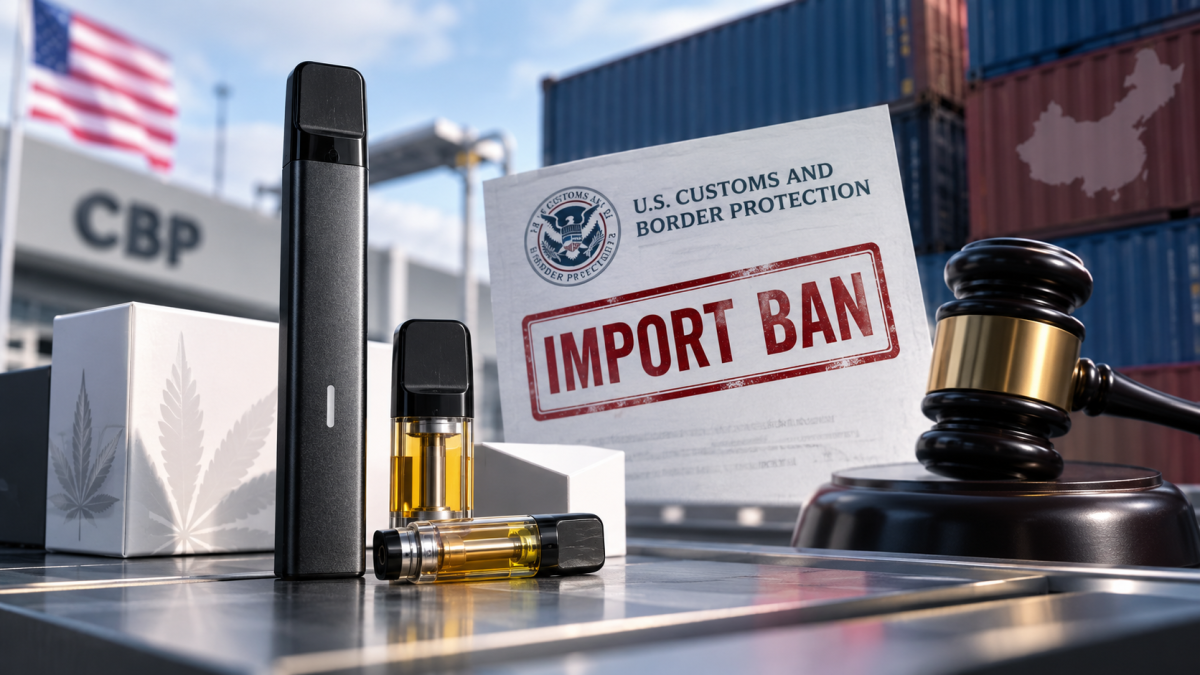
Reuters reports that some e-cigarette companies have shifted operations offshore to bypass U.S. regulations. Heaven Gifts moved its Lost Mary brand to a British Virgin Islands firm after the FDA banned Elfbar in 2023, while Ludicrous Distro began distributing unauthorized third-party products. The FDA has denied millions of licenses for new nicotine devices, particularly flavored vapes that appeal to teenagers. Despite bans, brands like Elfbar continue to be popular among youth vapers in the U.S

According to Reuters, several e-cigarette companies targeted by U.S. authorities have adapted their business strategies to bypass regulations, including shifting operations to offshore firms. This move has made it more difficult for the U.S. Food and Drug Administration (FDA) to prevent the importation of unauthorized vapes into the country. The FDA has been closely monitoring these changes, which include companies altering product labels or restructuring their businesses to avoid detection. However, the FDA did not specify which brands or companies were involved.


One notable example is the Chinese vape giant Heaven Gifts, which transferred its U.S. operations for its Lost Mary brand to a British Virgin Islands (BVI) company, Wonder Ladies Limited. This shift occurred after the FDA banned several companies, including those based in China, the U.S., and South Korea, from importing its flagship Elfbar brand in 2023. Despite the ban on Elfbar, Lost Mary remains available for sale in the U.S., signaling that the product is still being distributed despite not having FDA authorization.


Similarly, Ludicrous Distro, a Texas-based e-cigarette firm operating under the name American Vape Company, stopped selling its own unlicensed Esco Bars brand. Instead, the company began distributing a wider range of unauthorized vaping devices from third-party manufacturers. The company’s website reflects this change in focus.


Heaven Gifts’ spokesperson, Jacques Li, stated that the company had exited the U.S. market for its Lost Mary brand by transferring operations to Wonder Ladies, following the FDA’s ban on Elfbar. Li emphasized that the company was not attempting to circumvent FDA regulations, despite the move.


Ludicrous Distro, when asked about its decision to sell unauthorized products, did not provide a clear explanation. However, the company explained that it has always aimed to comply with the FDA’s evolving policies, which have created confusion in the industry.


The FDA has denied licenses for approximately 26 million new nicotine devices since October 2020, particularly targeting fruit and candy-flavored vapes, which the agency claims appeal to teenagers. The growing popularity of unauthorized products, such as Elfbar, has led to increasing concerns about youth vaping, with Elfbar becoming one of the most widely used brands among young vapers in the U.S. in 2024.

Vuse Alto Adds New U.S. Price Tier as BAT Pushes Deeper Into Mass-Market Vaping
British American Tobacco (BAT) subsidiary Vuse Alto has recently adjusted its price tiers in U.S. convenience store channels, leveraging low-cost device kits and pod promotions to reinforce its positioning in the mid-priced closed-system e-cigarette market.
Jun.17
The new regulations on nicotine in Argentina are creating caution, expectations, and doubts about the market, according to a local reference in harm reduction for smoking.
The new Argentine framework for tobacco and nicotine marks a shift from prohibition towards registration, traceability, and health surveillance. Juan Facundo Teme told 2Firsts that adult consumers and some of the commercial sector are cautiously optimistic, although concerns remain about flavors, registration costs, and market access.
May.11
UK Parliament Briefing Puts Vape Hardware Design and Materials in Regulatory Focus
The UK Parliament’s Parliamentary Office of Science and Technology (POST) has published a scientific briefing reviewing current evidence on the health effects of vape device components, including heating elements, power settings, metals, plastics, batteries and e-liquid ingredients, signalling growing regulatory attention to device design and whole-product systems beyond e-liquids, flavours and packaging.
Special Report
Jun.29
KT&G Overseas Tobacco Revenue Jumps 24.6%, Attracting Global Capital
South Korean tobacco company KT&G is drawing growing global investor attention after reporting record overseas tobacco sales, with international institutions including Capital Group and BlackRock increasing their stakes.
Business
May.19
France Vape Market 2026: Use Reaches 7.9% Amid Tax, Regulatory and Scientific Debate
France remains one of Europe’s active vape markets in 2026, with adult vaping prevalence rising to 7.9%; at the same time, e-liquid taxation, public-space restrictions, advertising compliance and health-risk debate are pushing the industry into a critical policy period.
Jun.23
WHO’s First Global Report on Nicotine Pouches: Harm Reduction Questions Remain Amid Global Regulatory Warning
Ahead of World No Tobacco Day 2026, WHO released its first global report on nicotine pouches, warning that rapid market growth, youth-oriented marketing and weak regulation are converging. 2Firsts views the report as an important warning, but not a complete risk assessment, with harm-reduction questions still unresolved.
Special Report
May.17