Brazil Federal Revenue Seizes Nearly Half a Million E-Cigarettes, Including 'LOST MARY' and 'ELFBAR'

Dec.05.2024
Brazil Federal Revenue Seizes Nearly Half a Million E-Cigarettes, Including 'LOST MARY' and 'ELFBAR'
Brazilian Federal Revenue seizes 450,000 e-cigarettes at Santos Port, Including 'LOST MARY' and 'ELFBAR', worth $7.5 million.

Editor's Note:

Based on 2Firsts' understanding, Brazilian authorities have not yet legalized e-cigarettes, and selling them within Brazil is considered illegal.


As for the product details, 2Firsts can only rely on customs data, which is insufficient to verify the authenticity of the products. Moreover, we have no information about their origin, production channels, or how they have entered Brazil.


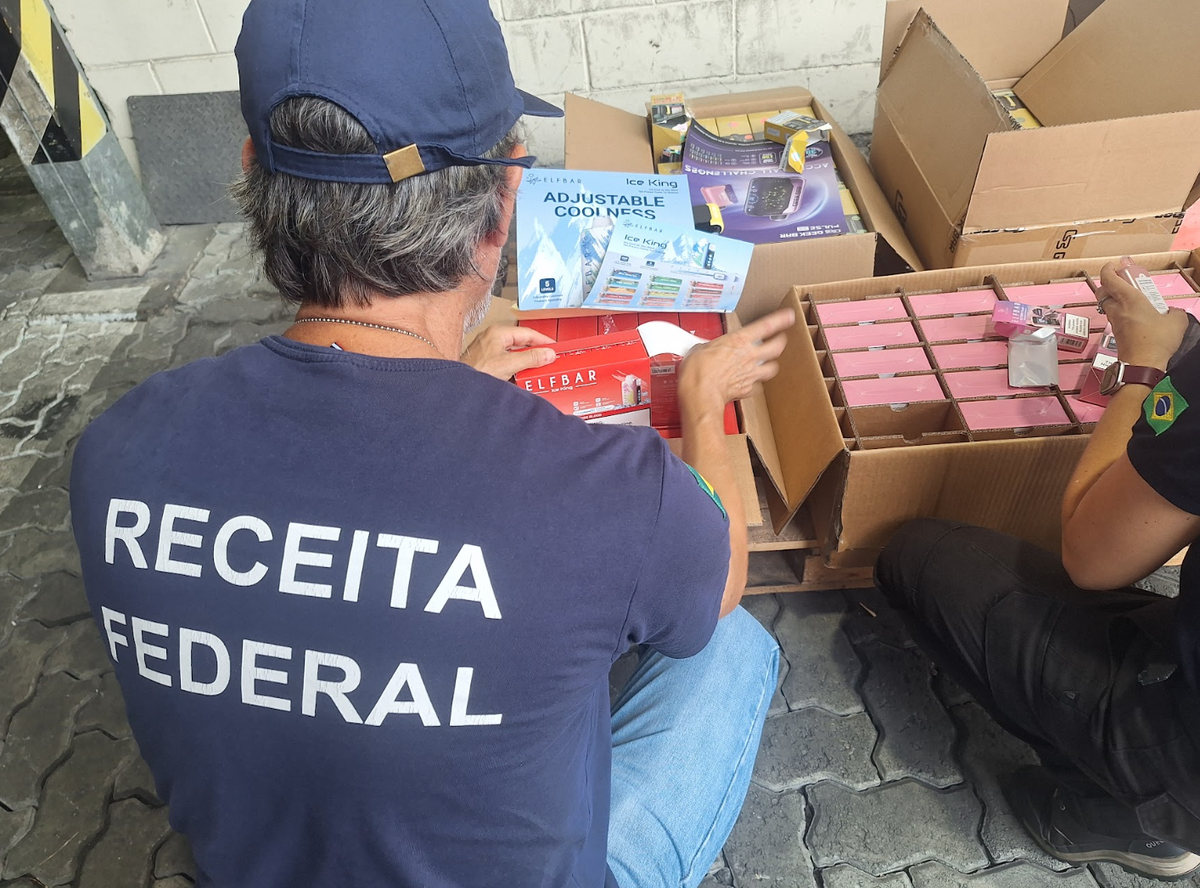
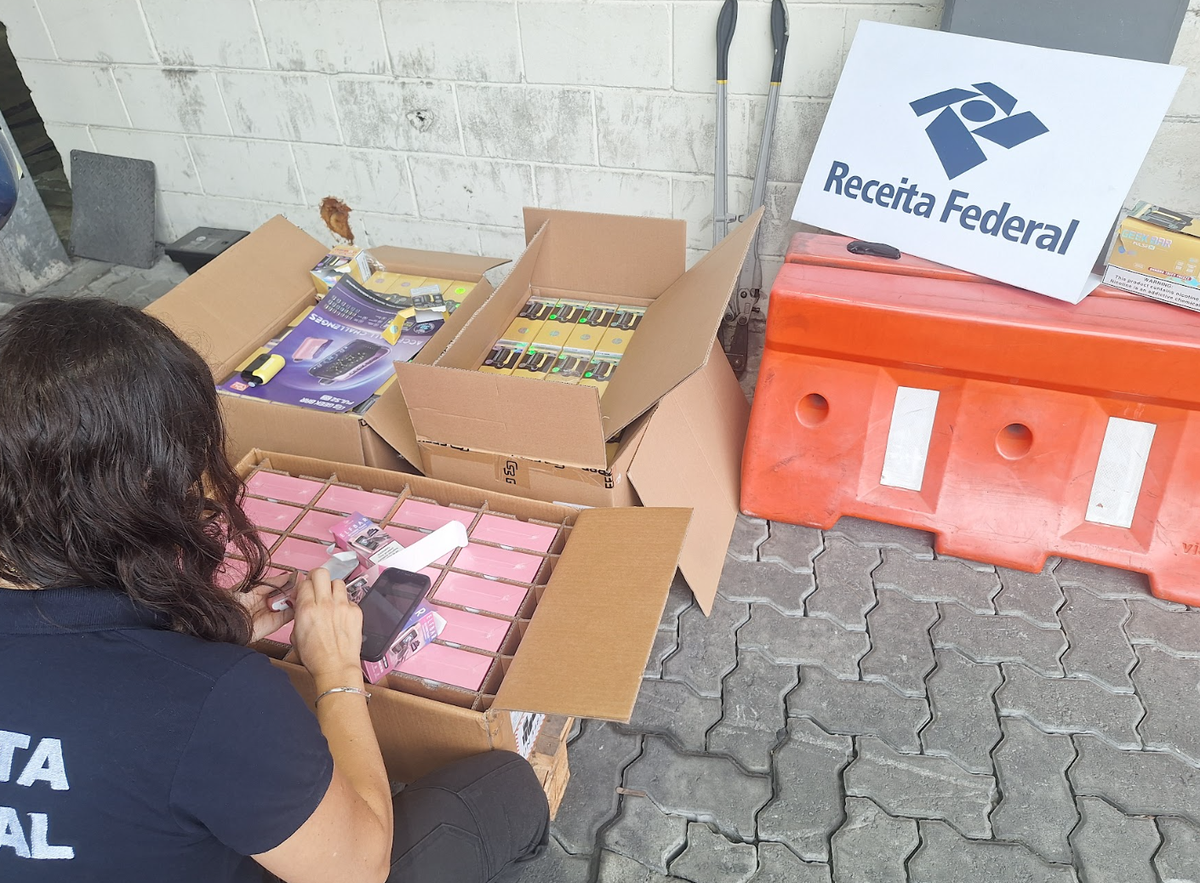
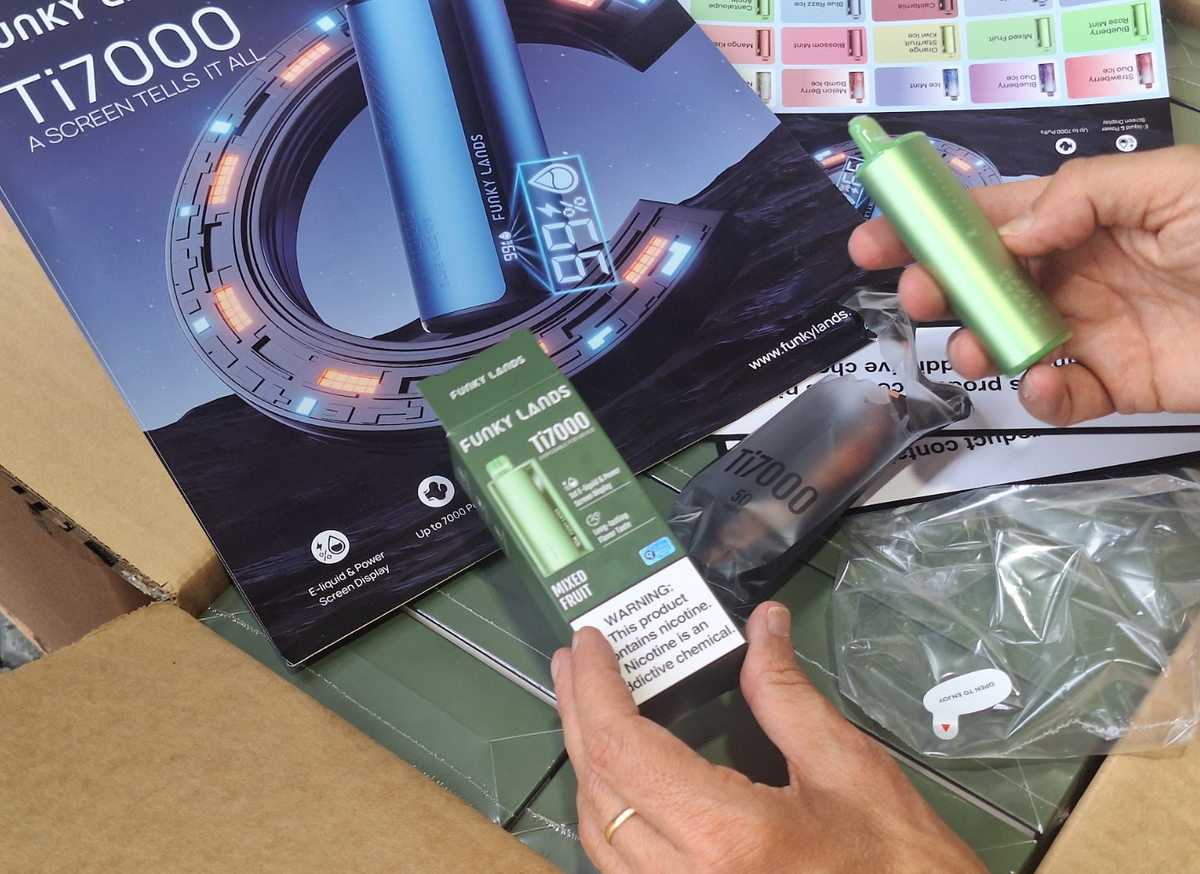
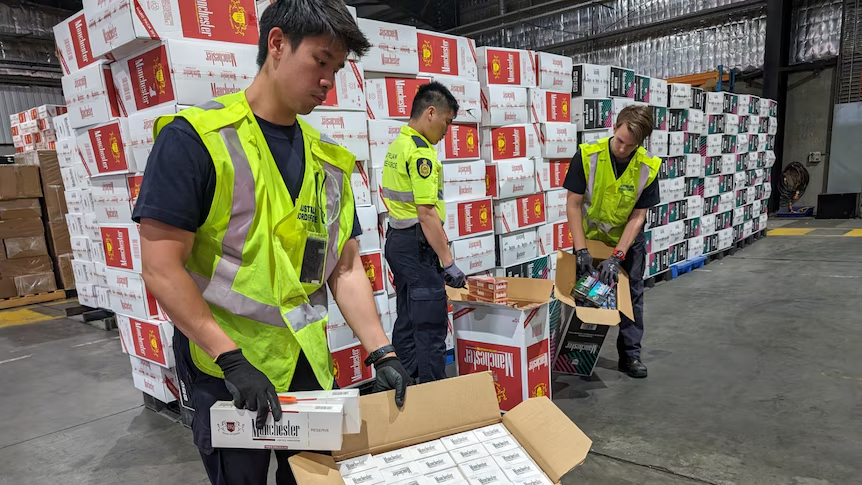
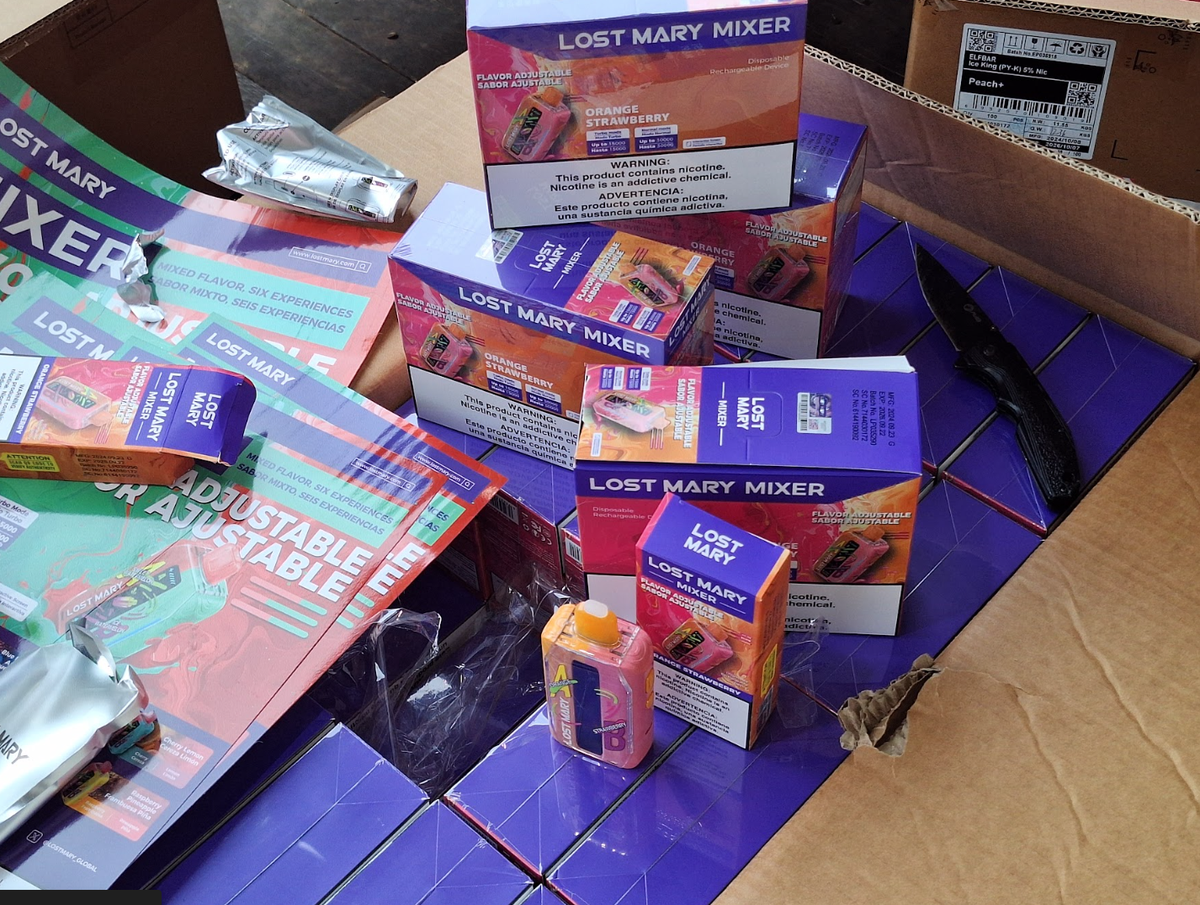
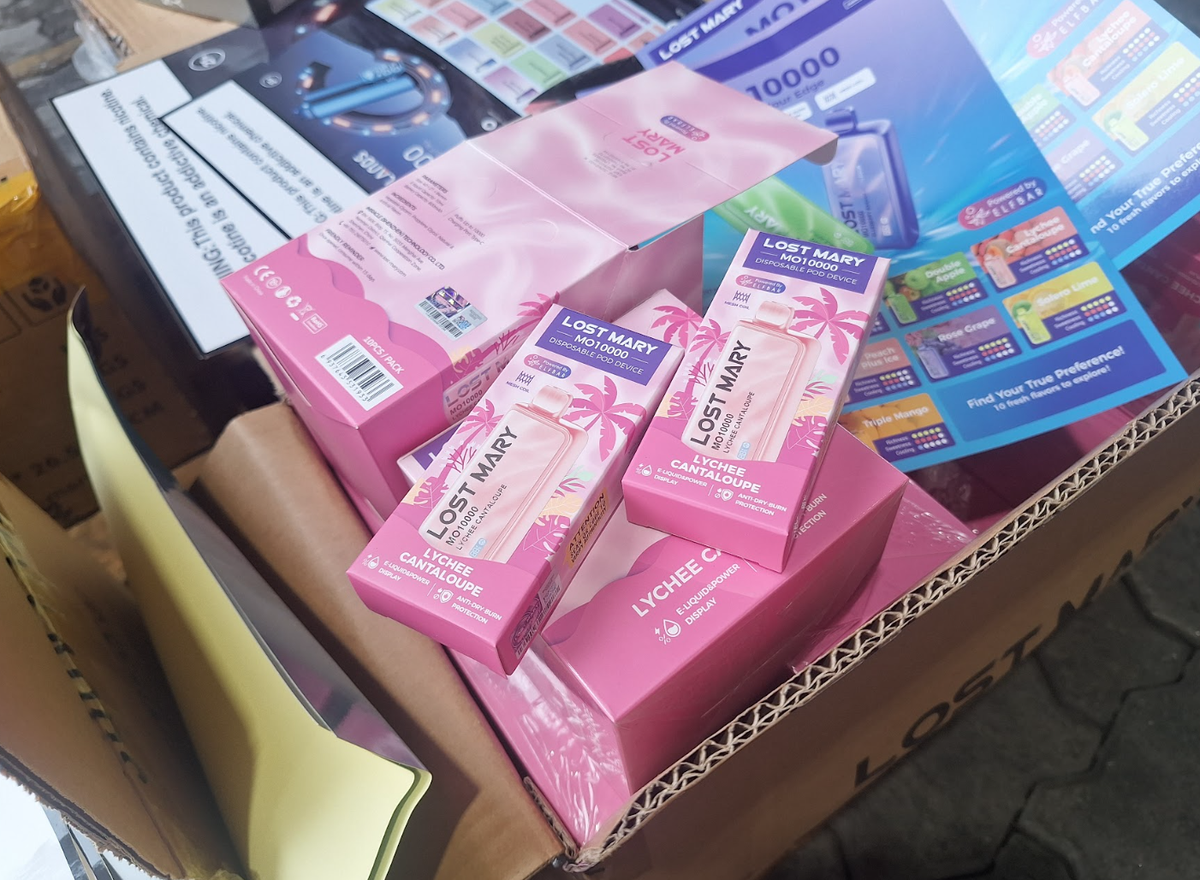
On December 4th, Brazil's Federal Revenue seized approximately 450,000 e-cigarettes in a shipment passing through Santos Port. According to an image gallery released by the Brazilian Ministry of Finance, the seized products were marked with brand names such as "LOST MARY" and "ELFBAR".
 

Brazil Federal Revenue Seizes Nearly Half a Million E-Cigarettes, Including 'LOST MARY' and 'ELFBAR'
Brazilian customs seized about 450,000 e-cigarettes  | Image source: Brazil's Federal Revenue


Brazil Federal Revenue Seizes Nearly Half a Million E-Cigarettes, Including 'LOST MARY' and 'ELFBAR'
Brazilian customs seized approximately 450,000 e-cigarettes  | Image source: Brazil's Federal Revenue


Brazil Federal Revenue Seizes Nearly Half a Million E-Cigarettes, Including 'LOST MARY' and 'ELFBAR'
Brazilian customs seized approximately 450,000 e-cigarette devices  | Image source: Brazil's Federal Revenue


Brazil Federal Revenue Seizes Nearly Half a Million E-Cigarettes, Including 'LOST MARY' and 'ELFBAR'
Brazilian customs seized approximately 450,000 e-cigarettes | Image source: Brazil's Federal Revenue


Brazil Federal Revenue Seizes Nearly Half a Million E-Cigarettes, Including 'LOST MARY' and 'ELFBAR'
Brazilian customs confiscated approximately 450,000 e-cigarettes | Image source: Brazil's Federal Revenue


The goods, which were packed in two containers, were declared as toys, tools, computer accessories, auto parts, and musical instruments, but the shipment actually contained e-cigarettes and vape refills (containing 2% and 5% nicotine liquid).


Since the publication of Directive No. 2.229/2024 and Directive No. 2.231/2024 in October 2024, Brazilian customs at the port of Santos have intercepted six containers containing e-cigarettes that were originally intended for shipment to other countries.


The physical inspection of the first four containers (over 100 tons of goods) resulted in the retention of more than one million e-cigarette units, valued at R$ 128 million.


The two shipments seized on December 3 are currently undergoing inspection and valuation, with an estimated 450,000 e-cigarette units expected to be confiscated, worth around R$ 45 million.


We welcome news tips, article submissions, interview requests, or comments on this piece.

Please contact us at info@2firsts.com, or reach out to Alan Zhao, CEO of 2Firsts, on LinkedIn


Notice

1.  This article is intended solely for professional research purposes related to industry, technology, and policy. Any references to brands or products are made purely for objective description and do not constitute any form of endorsement, recommendation, or promotion by 2Firsts.

2.  The use of nicotine-containing products — including, but not limited to, cigarettes, e-cigarettes, nicotine pouchand heated tobacco products — carries significant health risks. Users are responsible for complying with all applicable laws and regulations in their respective jurisdictions.

3.  This article is not intended to serve as the basis for any investment decisions or financial advice. 2Firsts assumes no direct or indirect liability for any inaccuracies or errors in the content.

4.  Access to this article is strictly prohibited for individuals below the legal age in their jurisdiction.


Copyright


This article is either an original work created by 2Firsts or a reproduction from third-party sources with proper attribution. All copyrights and usage rights belong to 2Firsts or the original content provider. Unauthorized reproduction, distribution, or any other form of unauthorized use by any individual or organization is strictly prohibited. Violators will be held legally accountable.

For copyright-related inquiries, please contact: info@2firsts.com


AI Assistance Disclaimer


This article may have been enhanced using AI tools to improve translation and editorial efficiency. However, due to technical limitations, inaccuracies may occur. Readers are encouraged to refer to the cited sources for the most accurate information.

We welcome any corrections or feedback. Please contact us at: info@2firsts.com

Global Tobacco Control Faces Regional Adaptation Test as Nicotine Markets Evolve, Asian Specialist Says
As e-cigarettes, heated tobacco products and nicotine pouches expand across global markets, a central question is gaining urgency: can tobacco control rely on a universal policy model? In an interview with 2Firsts, Asian public health and addiction medicine specialist Dr. Rashidi Mohamed bin Pakri Mohamed says Western experience remains relevant, but policies must be adapted to local culture, healthcare systems, enforcement capacity, illicit markets and clinical evidence.
Jul.08
Product | KT&G Expands lil AIBLE 3.0 Sales to Seoul Convenience Stores, Launches Two New AIIM Variants
According to South Korean media reports, KT&G has expanded sales of its heated tobacco device lil AIBLE 3.0 to convenience stores across Seoul starting May 13. The convenience-store version is offered in the exclusive OUD GRAY color. On the same day, KT&G also launched two new dedicated consumables for the lil AIBLE platform—AIIM REMIX and AIIM ICESPOT—at convenience stores nationwide, each priced at KRW 4,800.
Market
Jun.01
Bringing Tax and Insurance Into Nicotine Regulation: Insights From a Tobacco Harm-Reduction Report
A smoke-free nicotine policy report argues that tobacco harm reduction should move beyond product bans and health warnings into tax policy, insurance pricing and risk-based regulation. While some projections remain open to debate, the report highlights a wider challenge: nicotine products, technologies and consumer behavior have changed sharply over the past decade, and regulatory systems may need new tools to better align tobacco control with harm-reduction goals.
Jun.08
South Korea’s Cigarette Smoking Rate Falls to 17.9%, E-Cigarette Use Continues to Rise
Data released by the Korea Disease Control and Prevention Agency (KDCA) showed South Korea’s conventional cigarette smoking rate fell to 17.9% in 2025, while heated tobacco and liquid e-cigarette use continued to rise, particularly among young adults and women.
Jun.01
Bloomberg: Zyn’s Dry-Mouth Problem Threatens Its Hold on Nicotine Pouch Market
According to Bloomberg, Philip Morris International’s Zyn is facing growing competition in the U.S. nicotine pouch market as consumers shift toward moister alternatives such as British American Tobacco’s Velo Plus.
BATPMI
May.22
Malaysian Court Rules Liquid Nicotine Exemption Irrational, Renewing Vape Regulation Debate
Malaysia’s High Court ruled that the government’s earlier decision to remove liquid nicotine from the country’s Poisons List was “irrational,” reigniting debate over vape regulation, illicit trade, and youth protection.
Regulations
May.18