Key Takeaways
- The European Commission has published its evaluation of the EU tobacco control framework.
- Since 2012, smoking rates in the EU have fallen from 28% to 24%.
- The evaluation says tobacco-related deaths have also decreased significantly.
- The report identifies e-cigarettes, heated tobacco products and nicotine pouches as new public health concerns.
- The European Commission plans to propose a revision of the tobacco control legislative framework in 2026.
2Firsts, April 1, 2026
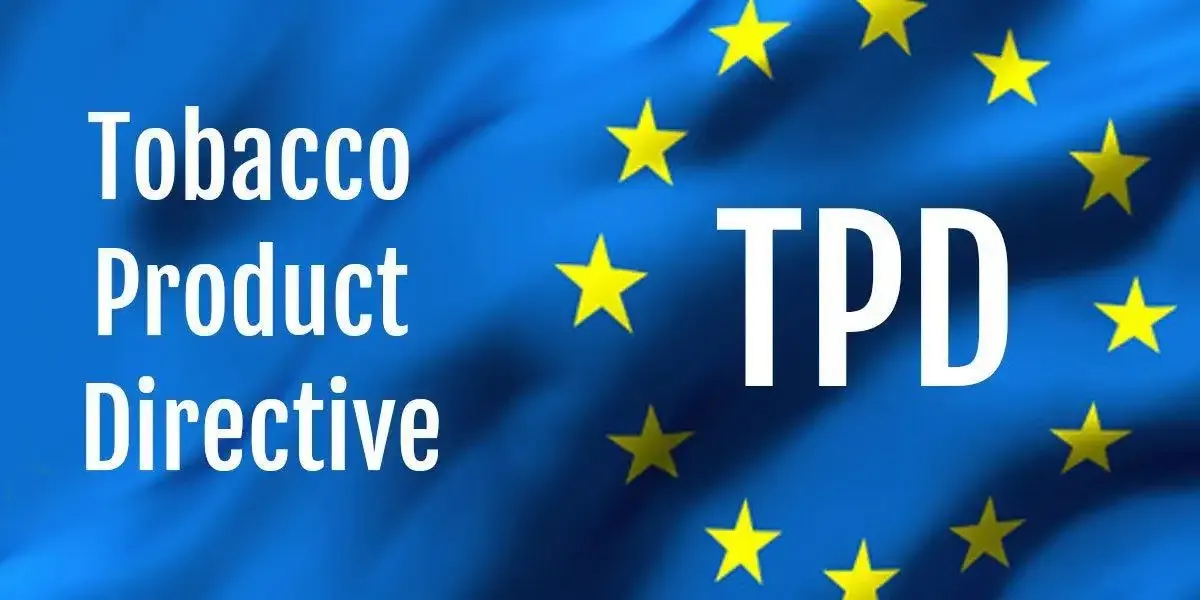
According to the European Commission, the Commission has published its evaluation of the EU tobacco control framework, assessing the effectiveness, efficiency and relevance of the Tobacco Products Directive and Tobacco Advertising Directive in protecting public health and ensuring the smooth functioning of the internal market.
EU smoking rates fell from 28% to 24% since 2012
The evaluation found that EU tobacco control rules have contributed to a significant decline in smoking and tobacco-related deaths across the European Union. Since 2012, smoking rates in the EU have fallen from 28% to 24% of the population, with an even sharper decline among young people.
The Commission said tobacco-related deaths have also decreased substantially, reflecting the positive impact of stricter rules on product regulation, advertising bans and health warnings.
Harmonised rules were found to improve the internal market
The evaluation also confirmed that harmonised EU rules have improved the functioning of the internal market. The Commission said that regulation and reporting of ingredients, labelling and packaging requirements, traceability and security features for tobacco products, and cross-border advertising and sponsorship rules have all contributed significantly to the smooth functioning of the internal market and strengthened the effectiveness of the tobacco control framework.
Novel tobacco and nicotine products were identified as a growing challenge
However, the report also identified shortcomings in the legislation. In addition to the continuing risks posed by traditional tobacco products, the rise of e-cigarettes, heated tobacco products and nicotine pouches has introduced new public health concerns.
The Commission said these products pose a particular threat to younger generations, who face risks of nicotine addiction and long-term health consequences, especially given the attractive features of the products and their assertive online promotion.
The report also said evidence suggests that the growing popularity of novel products may act as a gateway to nicotine addiction and, in some cases, to traditional smoking, especially among adolescents, even as traditional tobacco use continues to decline.
Digital promotion remains a major challenge
The evaluation further highlighted the changing nature of advertising and promotion. While advertising in traditional media has significantly decreased because of EU restrictions, digital promotion remains a major challenge, especially the covert promotion of tobacco and nicotine products, particularly novel products, in digital spaces.
The Commission plans to propose a revised legislative framework in 2026
Overall, the European Commission concluded that the EU tobacco control framework has been effective in delivering substantial public health benefits and supporting the internal market. At the same time, it said the framework needs to be adapted to address new market developments, technological changes, and both emerging and persistent health risks.
The Commission said it will now carry out an impact assessment and continue a wide-scale consultation process. Under the Safe Hearts Plan, it intends to propose a revision of the legislative framework on tobacco control in 2026.
Image source: European Commission
Related Readings:

We welcome news tips, article submissions, interview requests, or comments on this piece.
Please contact us at info@2firsts.com, or reach out to Alan Zhao, CEO of 2Firsts, on LinkedIn
Notice
1. This article is intended solely for professional research purposes related to industry, technology, and policy. Any references to brands or products are made purely for objective description and do not constitute any form of endorsement, recommendation, or promotion by 2Firsts.
2. The use of nicotine-containing products — including, but not limited to, cigarettes, e-cigarettes, nicotine pouchand heated tobacco products — carries significant health risks. Users are responsible for complying with all applicable laws and regulations in their respective jurisdictions.
3. This article is not intended to serve as the basis for any investment decisions or financial advice. 2Firsts assumes no direct or indirect liability for any inaccuracies or errors in the content.
4. Access to this article is strictly prohibited for individuals below the legal age in their jurisdiction.
Copyright
This article is either an original work created by 2Firsts or a reproduction from third-party sources with proper attribution. All copyrights and usage rights belong to 2Firsts or the original content provider. Unauthorized reproduction, distribution, or any other form of unauthorized use by any individual or organization is strictly prohibited. Violators will be held legally accountable.
For copyright-related inquiries, please contact: info@2firsts.com
AI Assistance Disclaimer
This article may have been enhanced using AI tools to improve translation and editorial efficiency. However, due to technical limitations, inaccuracies may occur. Readers are encouraged to refer to the cited sources for the most accurate information.
We welcome any corrections or feedback. Please contact us at: info@2firsts.com